Why You Should Visit Brno: Czechia’s Creative and Cultural Heart
Discover Brno's dynamic mix of architecture, art, food, festivals, and quirky places—all far from the Prague crowds.

Why You Should Visit Brno, Czechia’s Second City
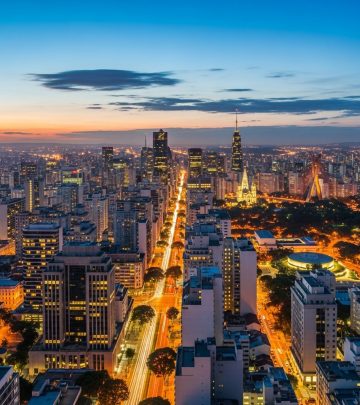
Brno, the capital of Moravia in the eastern Czech Republic, stands out as a destination that weaves together a rich tapestry of architectural wonders, innovative culinary venues, playful public art, and a sociable spirit ignited by a large student population. Often overshadowed by Prague, Brno rewards visitors seeking a blend of authenticity, creative ambition, and bohemian flair far removed from the main tourist corridors.
Why Visit Brno Now?
Brno receives a fraction of the tourists who flock to Prague, making it the perfect setting for travelers wanting a genuinely avant-garde and unfiltered Czech experience. The city pulses with life throughout the year, hosting everything from craft beer and food festivals to Christmas markets and dynamic art, pop, and jazz celebrations. Brno’s tightly packed streets, energetic event calendar, and bold approach to creativity ensure a continually fresh urban adventure.
- Events year-round: Expect something happening every month—beer fests, open-air concerts, food fairs, art weeks, and much more.
- Social spirit: Cafés and bistros overflow with students, artists, and locals, while city squares buzz with life.
- Accessible & less crowded: Compared to Prague, Brno’s attractions feel more intimate and authentic, with ample breathing room for exploration.
Touring Modernist and Art Nouveau Villas
Brno’s cityscape is a canvas reflecting its vibrant architectural evolution, mingling Baroque pastel facades with daring modernist and functionalist masterpieces built during its early-20th-century industrial boom. Stroll the streets to discover:
- Moravian Bank (1930): A bold, white-block building that anchors modernist aspirations in the city center.
- Omega Palace: Sporting turquoise geometric shapes, this shopping center adds a contemporary twist at the edge of Freedom Square.
Villa Tugendhat: An Icon of Modernism
Villa Tugendhat is Brno’s crowning architectural achievement and the country’s only UNESCO World Heritage site of modern architecture. Designed in 1929–1930 by Ludwig Mies van der Rohe for the Tugendhat family, the villa revolutionized residential design with:
- A fully open floor plan, making interior spaces fluid and adaptable
- Wall-sized glass windows seamlessly connecting interiors with the garden
- Innovative structural materials and luxurious finishes
Tickets for a 60- or 90-minute guided tour often sell out months in advance, highlighting its must-see status.
Detour Suggestion: From Villa Tugendhat’s gardens, cross over to Villa Löw-Beer, an Art Nouveau gem once home to Greta Tugendhat’s parents, offering insight into prewar Brno’s affluent residential scene.
Unexpected and Unconventional Artworks
Creativity spills outdoors in Brno, where public spaces showcase an array of unconventional and sometimes surreal sculptures and installations. Here are some highlights:
- The ‘Brno Dragon’ at Old Town Hall: A life-sized taxidermied crocodile suspended from the ceiling, rooted in medieval legend as a beast that once terrorized the city.
- Freedom Square’s Astronomical Clock: A jet-black, phallic-shaped clock that perplexes visitors with its inability to actually tell the time. Every day at 11 a.m., a marble drops to mark the city bell ringing—a spectacle that draws onlookers.
- Moravian Square’s Statue of Courage: A bold, spindle-legged bronze horse carrying Margrave Jobst of Moravia. Standing beneath the horse’s muzzle offers a tongue-in-cheek perspective appreciated by locals.
For art lovers, the Špilberk Castle and the Moravian Museum of Applied Arts house traditional and contemporary collections, yet Brno’s streets and parks themselves form an open-air gallery challenging artistic norms. Download the ‘Statues in the City’ map to seek out every unique work.
Feast on Next-Gen Dining (and Drinking)
Fueled by a large and innovative student population, Brno has cultivated a food and drink culture that rivals larger European cities:
- Bistros: Hip spots like Bistro Franz—serving ethically sourced coffee and organic fare—or the student-favorite Spolek, known for hearty homemade soups and inventive salads.
- Craft Beer: The city’s breweries and bars pour microbrews from across Moravia, with many offering brewery tours and guided tastings. Try a glass at Pivovar Pegas or Výčep Na Stojáka.
- Wine Bars & Cafés: Brno sits in one of Czechia’s primary wine regions. Modern wine bars and relaxed coffee shops dot the city, many doubling as cultural venues by night.
- International Cuisine: From Indian feasts at Annapurna to vegan bakeries and Japanese izakayas, the city’s diversity shines on every plate.
Brno locals are passionate about their food, and it’s easy to find farmers’ markets, artisanal delis, and street food vendors spread across city squares like the vibrant Cabbage Market (Zelný Trh).
Delve Beneath the Surface—Literally
Beneath Brno’s cobbled streets lies a network of tunnels, cellars, and ossuaries that reveal the city’s ancient and sometimes macabre past:
- Labyrinth under the Cabbage Market: Take a 40-minute guided tour through medieval tunnels and storage vaults where butchers, vintners, and grocers once plied their trades. Atmospheric, mysterious, and slightly quirky.
- Capuchin Monastery Crypt: A haunting site where the naturally mummified remains of monks and 18th-century aristocrats lie in open repose, preserved by the crypt’s unique ventilation system.
- Church of St James’ Ossuary: The second largest ossuary in Europe, home to the bones of up to 50,000 people who died during centuries of plague, famine, and war. Guided tours are available via the city’s tourist information center.
Vibrant Festivals, Nightlife, and Social Scene
Brno’s festive calendar brims with activities for every taste and season:
- Moravian Autumn Music Festival: Classical and contemporary music performances grace venues across the city each fall.
- Ignis Brunensis: A spectacular summer fireworks show lighting up the sky and drawing huge crowds to lakeside parks.
- Pop Messe & jazz weeks: Brno’s answer to global music festivals, featuring eclectic lineups and vibrant nightlife.
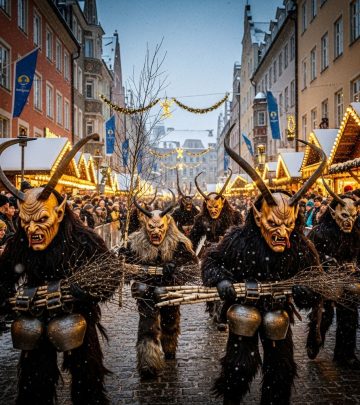
- Advent Christmas Markets: Each winter, city squares fill with artisan stalls, mulled wine, lively crowds, and decorated trees—a warm, cozy contrast to Prague’s busier markets.
Beyond festivals, the city is alive nightly with club events, student parties, pop-up gigs, and creative workshops—many hosted in reimagined industrial lofts, riverside parks, and even underground spaces.
Brno’s Social DNA
| Feature | What Makes It Unique? |
|---|---|
| Student Population | Over 80,000 young people attend Brno’s six universities, energizing the café, club, and creative scene. |
| Grassroots Enterprises | Independently run bookshops, vinyl stores, craft shops, and art collectives outnumber chains, helping the city retain a local-first feel. |
| Public Spaces | Parks, small squares, and riverside embankments act as spontaneous gathering spots, especially in good weather. |
Exploring Brno’s Historic Heart
The city center is compact and easily walkable, with a mix of medieval, Renaissance, and 20th-century sights. Not to miss:
- Špilberk Castle: Once a notorious Habsburg prison, now offering city views and historical exhibitions.
- Cathedral of Sts Peter & Paul: Towering above the skyline, this beautiful gothic structure hosts concerts and dominates Petrov Hill.
- Parnassus Fountain and the Old Town Hall: Central to city life, ringed by quirky statues, bustling markets, and outdoor cafés.
Wander off the main artery, Masarykova ulice, where trams and pedestrians jostle for space, and you’ll find tucked-away churches, hidden courtyards, and unexpected bursts of street art.
Getting the Best out of Your Visit: Tips and Suggestions
- Book architectural tours ahead of time: Villa Tugendhat tours are in high demand; plan months in advance.
- Download art and statue maps: Brno’s city app and tourist office website offer themed walk suggestions.
- City cards: Pick up a Brnopas for discounts at top museums, public transport, and city attractions.
- Local transport: Trams and buses are efficient and inexpensive. The center is largely walkable.
- Best time to visit: Spring and autumn bring mild weather and major festivals; winter glows with market lights and snow-dusted rooftops.
Frequently Asked Questions (FAQs)
Q: What is Brno famous for?
A: Brno is renowned for its modernist architecture (especially Villa Tugendhat), vibrant student scene, quirky public art, and energetic festival calendar.
Q: How is Brno different from Prague?
A: Brno is smaller, more relaxed, and less touristy than Prague, with a distinct modernist and creative spirit, lively nightlife, and a focus on contemporary culture rather than imperial grandeur.
Q: What is the best way to see Brno’s attractions?
A: The compact city center is best explored on foot. For some sights (Villa Tugendhat, ossuaries), guided tours are recommended and often required.
Q: Are there good places to eat and drink in Brno?
A: Yes, Brno boasts a wide array of modern bistros, craft breweries, wine bars, and international restaurants—all with a authentic, local feel thanks to the thriving student and expat population.
Q: When should I visit Brno?
A: Brno is lively all year, but spring and autumn offer pleasant weather and major events, while the Christmas market season in December is particularly magical.