The Top Things to See and Do in Fulda, Germany
Discover Fulda's rich history, stunning Baroque landmarks, scenic gardens, and vibrant cultural life in the heart of Germany.

Located at the edge of the scenic Rhön Mountains, Fulda stands as one of Germany’s most captivating cities, woven with centuries of history and a wealth of architectural grandeur. Founded in the 8th century, Fulda is a living chronicle, where Baroque palaces, medieval churches, lush gardens, and vibrant squares create a unique blend of culture and tradition. Whether you’re drawn by religious heritage, picturesque streets, or lively cultural events, Fulda promises experiences that linger in memory long after your journey ends.
Why Visit Fulda?
With roots tracing back to 744 AD, when Saint Boniface established the influential Fulda Abbey, the city blossomed into a spiritual and intellectual beacon. Today, visitors will find a city that beautifully merges historic charm and modern dynamism. Its pedestrian-friendly layout makes it ideal for exploring iconic landmarks, museums, lively markets, and tranquil parks—all within easy reach.
- Rich religious and cultural history, including some of Germany’s most significant church sites.
- Impressive Baroque and Renaissance architecture around every corner.
- Stunning gardens and green spaces perfect for relaxation.
- Vibrant local traditions and a welcoming city atmosphere.
Fulda’s Must-See Attractions
Fulda Cathedral (Dom zu Fulda)
The Fulda Cathedral dominates the cityscape as its defining Baroque landmark. Completed in 1712, the twin-towered façade and elegant symmetry exemplify Baroque artistry. The cathedral is especially significant for being the resting place of Saint Boniface, often called the “Apostle of the Germans.” Pilgrims and visitors alike are drawn to the ornate chapels, serene crypt, and magnificent interior, which serve as both architectural marvel and spiritual sanctuary. Annual meetings of German bishops are held here, underlining the cathedral’s enduring role in Germany’s ecclesiastical life.
Highlights:
- Awe-inspiring Baroque architecture.
- The tomb of Saint Boniface—key to German Christian heritage.
- Sweeping organ music during cathedral services and special events.
Stadtschloss Fulda (Fulda City Palace)
Step into the world of the city’s former prince-bishops at the Baroque Stadtschloss, completed in the early 18th century. Today, its beautifully furnished rooms, the lavish Fürstensaal (Prince’s Hall), and opulent exhibits on local history offer glimpses of life at the princely court. Visitors can roam through gilded halls, immerse themselves in period art, and lose themselves in the stories of Fulda’s rulers.
- Guided tours available for the palace interior and museum exhibits.
- Don’t miss the intricate stucco work and opulent chandeliers of the Fürstensaal.
The Orangery and Palace Gardens (Schlossgarten)
Adjacent to the Stadtschloss is the Orangery—an elegant Baroque pavilion—and the spacious Palace Gardens. These immaculately landscaped grounds are among the city’s prime spots for relaxation. Stroll along manicured lawns, admire colorful flowerbeds and serene water features, or unwind under the shade of centuries-old trees.
- Perfect for picnics, leisurely walks, and photography—especially vibrant in spring and summer.
- Features garden sculptures such as the famed Flora Vase.
St. Michael’s Church (Michaelskirche)
Predating much of Fulda’s Baroque heritage, St. Michael’s Church was built around 820 AD, making it one of Germany’s oldest preserved churches. This striking example of early medieval architecture captivates with its simplicity and historic aura, offering visitors a rare connection to the region’s Christian roots. The crypt’s ancient frescos and the rounded apse bear testament to its millennium-long history.
- Unique pre-Romanesque construction.
- Located directly behind the cathedral—easy to visit both together.
Historic Old Town (Altstadt) and Altes Rathaus (Old Town Hall)
Fulda’s Altstadt enchants with cobbled streets, half-timbered houses, and lively squares. At its heart stands the Altes Rathaus, a Renaissance-era town hall featuring classic timber framing and historical details. Around the market square, you’ll find tempting cafes, boutique shops, and bustling local life, especially during weekly farmers’ markets and city festivals.
- Take time to sip coffee in a street café and soak in the ambiance.
- Explore artisan shops and galleries tucked into medieval lanes.
Vonderau Museum
The Vonderau Museum offers a comprehensive introduction to Fulda’s fascinating past—covering archaeology, natural history, folklore, and the city’s development from prehistoric times to the present day. Interactive displays and rotating exhibitions make it engaging for all ages, and it’s a good place to discover deeper layers of Fulda’s story.
- Family-friendly presentations and special events for children.
- Exhibits on Fulda’s role in regional trade, culture, and education.
Stadtpfarrkirche (Parish Church of St. Blasius)
Often overlooked but significant, Stadtpfarrkirche is Fulda’s oldest parish church, featuring a peaceful interior and a calm atmosphere. It’s another testament to the city’s religious significance and is open for quiet reflection and exploration.
Kloster Frauenberg (Franciscan Monastery)
Perched on the scenic Frauenberg hill, the Kloster Frauenberg is a Franciscan monastery offering panoramic views of the city. It’s a favored place for tranquil walks among leafy surroundings.
- Visit the monastery church and cafe—well regarded for homemade cakes.
- Enjoy sweeping vistas over Fulda’s rooftops.
Other Notable Landmarks and Attractions
- Hexenturm —A medieval tower that forms part of the old city fortifications, offering insight into Fulda’s defensive history.
- Obelisks at Domplatz —Baroque stone monuments that frame the cathedral square, adding to the site’s historical grandeur.
- Charming Brunnen (historic fountains) and public art throughout the city center.
Unique Experiences and Free Things To Do
Many of Fulda’s most memorable experiences come at no cost. Here’s how you can immerse yourself in the city’s heritage without opening your wallet:
- Wander the cathedral and its serene crypt —open to the public with no entry fee.
- Explore the Palace Gardens —a perfect spot for a relaxing afternoon.
- Stroll through the historic Altstadt —admire architecture, browse shops, and people-watch in atmospheric squares.
- Visit Stadtpfarrkirche —step inside Fulda’s oldest church for a moment of calm reflection.
- Walk along the Fulda River —enjoy scenic views, peaceful promenades, and glimpses of local life.
Discover Fulda’s Vibrant Culture
Fulda is more than its buildings—it’s a city of traditions. The market square becomes a lively stage for seasonal festivals, farmers’ markets, and open-air concerts. Culinary traditions run deep, with cozy restaurants serving local specialties (try Fuldaer Streuselkuchen, a regional crumb cake). Cultural performances, music, and theater can be enjoyed year-round, especially in venues like the palace theater or during vibrant summer festivals.
Insider Tips for Visiting Fulda
- Fulda’s compact layout means you can comfortably see most landmarks on foot. Start at the cathedral and radiate outward.
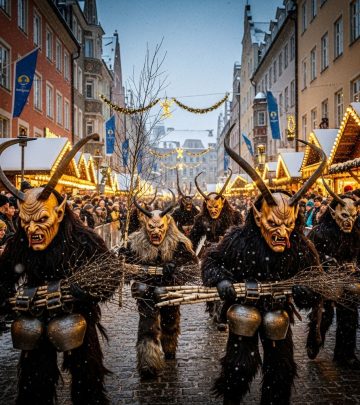
- Spring and summer are best for experiencing the gardens in full bloom—but the Christmas market in winter offers fairy-tale atmosphere.
- Enjoy a guided walking tour for extra context, fascinating legends, and access to hidden courtyards and stories otherwise missed.
- Visit local information points for event calendars and updated cultural programs.
- Day trips to the surrounding Rhön Mountains offer rewarding hikes and panoramic vistas.
Sample Itinerary: One Day in Fulda
If you have just one day, here’s how to experience Fulda’s highlights:
- Start at the Fulda Cathedral—explore the nave, crypt, and St. Michael’s Church.
- Walk to the Stadtschloss, tour the museum, then stroll the Palace Gardens and Orangery.
- Lunch at a café in the market square.
- Visit the Vonderau Museum for historical context.
- Wander the Altstadt, browse local shops, and stop for coffee and cake.
- Finish with a sunset stroll by the Fulda River or a panoramic view from Kloster Frauenberg.
Frequently Asked Questions (FAQs)
Q: How do I get to Fulda?
A: Fulda is easily accessible by train from major cities like Frankfurt, Kassel, and Würzburg. The city is a frequent stop on high-speed ICE trains, making it ideal for day trips or longer stays.
Q: Is Fulda suitable for families?
A: Yes, the city is very family-friendly, with pedestrian zones, safe parks, interactive museums, and festivals.
Q: Can I tour Fulda in a day?
A: Most key attractions are within walking distance, making it feasible to experience top sights in a single day—though an overnight stay allows more time to savor the city’s ambiance.
Q: What is the best time to visit Fulda?
A: Spring and summer are ideal for gardens and festivals, while winter brings charming Christmas markets to the city squares.
Q: Are tours available in English?
A: Yes, guided tours are offered in English and other languages; check with the Fulda tourism office for schedules and booking.
At a Glance: Fulda’s Main Sights
| Landmark | Key Features | Year/Period |
|---|---|---|
| Fulda Cathedral | Baroque architecture, Boniface’s tomb | 1712 |
| Stadtschloss | Palace museum, Prince’s Hall | 1706-1714 |
| Schlossgarten | Lush lawns, Orangery, sculptures | 18th century |
| St. Michael’s Church | Pre-Romanesque, ancient crypt | 820 AD |
| Old Town (Altstadt) & Old Town Hall | Half-timbered houses, lively square | 16th century |
Plan Your Fulda Adventure
With its blend of storied heritage, visual splendor, and a warm local spirit, Fulda offers an inviting window into Germany’s heartland. From the awe-inspiring cathedral and lush gardens to cozy old town streets, every visitor will find something to delight and inspire. Fulda’s treasures await—immerse yourself in its beauty, and let each step reveal a new chapter of German history and hospitality.