15 Unforgettable Things to Do in Vietnam: Ultimate Experience Guide
Discover breathtaking landscapes, vibrant cities, cultural treasures and outdoor adventures across Vietnam with this essential guide.

15 Unforgettable Things to Do in Vietnam
From the misty highlands and imperial cities to emerald bays and bustling metropolises, Vietnam offers an exhilarating blend of natural wonders, vibrant street life, and deeply layered culture. This guide explores the country’s most memorable places and experiences, helping travelers discover what makes Vietnam one of Asia’s most rewarding destinations.
1. Cruise Among the Karst Islands of Halong Bay
Halong Bay is a UNESCO World Heritage site famed for nearly 2,000 towering limestone islands. An overnight boat cruise lets you soak in the surreal scenery—sheer cliffs rising out of jade-green waters, hidden coves, and ethereal mist at dawn. For a quieter alternative, neighboring Lan Ha Bay and Bai Tu Long Bay offer similar landscapes but far fewer crowds and more intimate adventures.
- Swim, kayak, or take a bamboo boat through island caves.
- Sunbathe on secluded beaches.
- Feast on fresh seafood while floating beneath the stars.
2. Fall Under the Spell of Hoi An’s Ancient Town
The lantern-lit Old Town of Hoi An shines as one of Southeast Asia’s most beautiful and atmospheric destinations. Once a bustling trading port, Hoi An boasts ochre-hued shophouses, winding streets, and assembly halls adorned with centuries-old wooden carvings and mossy tile roofs. The evenings are magical, with vibrantly colored lanterns illuminating riverbanks and bridges.
- Stroll along the cobbled streets and sample legendary street food.
- Have bespoke clothing tailored at lightning speed.
- Join a lantern-making workshop or river boat by night.
- Cycle out to craft villages and verdant rice paddies on the city’s edge.
3. Experience Hanoi’s Frenetic Old Quarter
Hanoi captivates with a blend of old-world charm and modern bustle. The Old Quarter, a maze of narrow streets named after centuries-old trades, brims with sidewalk cafés, steaming bowls of pho, and artisan shops beneath French colonial facades.
- Take a guided street food tour to sample local delicacies.
- Visit cultural landmarks like the Hoan Kiem Lake and Ngoc Son Temple.
- Enjoy water-puppet shows and sip egg coffee amid the lively scene.
4. Descend into the War-Era Cu Chi Tunnels
Near Ho Chi Minh City, the spider-webbed Cu Chi Tunnels offer a claustrophobic, powerful glimpse into Vietnam’s wartime past. Explore the underground passages used by the Viet Cong to conceal troops, supply lines, and makeshift hospitals during the American War.
- Squeeze down reconstructed tunnels and learn about ingenious survival methods.
- Night tours (recently introduced) provide added thrill for the adventurous.
- Visit the nearby War Remnants Museum for context and exhibits on the conflict.
5. Trek Among Sapa’s Terraced Hills and Ethnic Villages
The Northwest Highlands around Sapa present one of Vietnam’s most stunning landscapes: green valleys carved into steep terraces and ringed by rugged mountains. The region is home to several distinct hill-tribe peoples, including the Hmong, Tay, and Dzao.
- Hike through rice paddies and bamboo forests to remote villages.
- Stay in traditional stilt houses for an authentic homestay experience.
- Catch sunrise over Fansipan, Indochina’s highest peak, by cable car or long trek.
6. Unwind on Vietnam’s Best Beaches
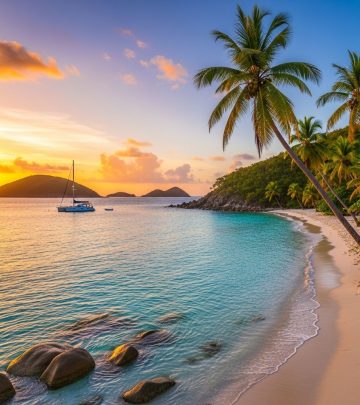
With an extensive coastline and idyllic islands, Vietnam delivers world-class beaches for every style of traveler, from lively resort areas to tranquil sands off the beaten track.
- Phu Quoc Island: Renowned for palm-fringed shores, snorkeling, and luxurious resorts, with a laid-back vibe and vibrant night markets.
- Danang: A lively city-meets-beach destination, perfect for watersports and nightlife.
- Mui Ne: Known for kitesurfing and dramatic sand dunes.
- Con Dao archipelago: Remote, protected islands ideal for diving and turtle watching.
- Co To Island: Hong Van Beach offers soft sand and clear water with minimal crowds.
Tip: Beach weather varies by region. Central areas are sunniest January–August; southern coasts are best December–April; northern beaches enjoy dry weather October–April.
7. Dive into the Caves of Phong Nha-Ke Bang National Park
This UNESCO World Heritage region in central Vietnam is home to the planet’s largest cave—Hang Son Doong—as well as many other spectacular subterranean wonders. Phong Nha-Ke Bang’s primeval jungle, underground rivers, and dramatic karst landscape are a magnet for adventurers and nature lovers.
- Explore accessible gems like Phong Nha Cave, Paradise Cave, and Tu Lan cave systems by boat, kayak, or on foot.
- Hang En cave offers underground camping on a beach illuminated by shafts of light.
- Strict conservation limits mean Hang Son Doong can only be visited on a handful of pricey multi-day expeditions.
8. Step Back in Time in the Imperial City of Hue
The former capital, Hue, stands as a testament to Vietnam’s imperial legacy. At its heart lies the vast Citadel—an imposing complex of stone walls, moats, temples, imperial palaces, and the emperor’s residence (the Imperial City).
- Explore the Imperial and Forbidden Purple Cities, stroll lotus-filled gardens, and admire intricate woodwork and ceramics.
- Visit royal tombs and pagodas along the Perfume River—especially the serene Thien Mu Pagoda.
- Enjoy Hue’s sophisticated take on Vietnamese cuisine, including bun bo Hue and creative royal dishes.
- Rent a scooter to discover ancient treasures at your own pace.
9. Discover Tranquility in Ba Be National Park
Ba Be National Park is a hidden gem where forested limestone peaks, serene lakes, and ethnic minority villages come together to create a peaceful retreat. Much less crowded than other natural parks, Ba Be offers authentic experiences and wildlife encounters.
- Kayak or boat across Ba Be Lake, flanked by jungle and soaring cliffs.
- Hike to Hmong, Tay, and Dzao villages through pristine forests.
- Spot macaques, rare pangolins, crested serpent eagles, and possibly black bears.
- Stay in cozy homestays in Pac Ngoi village for a taste of local life.
10. Immerse in Cosmopolitan Ho Chi Minh City
Vietnam’s largest city, still widely called Saigon, is a kinetic blend of old and new, where modern skyscrapers rise beside French colonial landmarks and ancient temples. After dark, the city’s streets morph into a vibrant feast of street food, open-air bars, and night markets.
- Learn about Vietnam’s recent past at the War Remnants Museum and historic sites from the French colonial era.
- Sample local coffee culture with a cup of ca phe sua da in tranquil cafés.
- Enjoy city views from rooftop bars.
- Take a day trip to Tay Ninh, home to the remarkable Cao Dai Holy See temple complex.
11. Take a Boat Trip Through the Mekong Delta
The vast Mekong Delta in southern Vietnam, known as the “rice bowl of Vietnam,” is a unique water world of shimmering rice fields, floating markets, and lush orchards. Life here is lived on and beside the water.
- Join a sunrise boat excursion through bustling floating markets, where traders exchange goods from boats piled high with tropical fruit.
- Cycle quiet backroads past coconut groves and flower gardens.
- Visit local workshops for a glimpse into traditional mat-weaving and candy-making crafts.
12. Marvel at the Rice Terraces of Mu Cang Chai
Located in the northern highlands, Mu Cang Chai is famous for its brilliantly green (or golden, after harvest) terraced rice paddies—arguably the most photogenic in Vietnam. The scene peaks in September and October as the rice ripens.
- Hike or ride through winding mountain passes for panoramic views.
- Capture sunrise or sunset over terraces sculpted by generations of local farmers.
- Experience local festivals and Hmong ethnic traditions.
13. Relish Vietnam’s Culinary Diversity
Vietnam’s cuisine is layered with history, seasonal produce, and regional flavors. Each area boasts signature dishes and cooking techniques—spicy Hue specialties, fragrant Hanoi classics, and fresh coastal seafood.
- Taste your way through pho (noodle soup), banh mi (baguette sandwich), bun cha (grilled pork with noodles), and endless types of fresh rolls and pancakes.
- Join a cooking class in Hoi An or Hanoi for hands-on experience.
- Sip strong Vietnamese coffee in roadside cafés, or try regional spirits and tropical juices.
14. Cycle Through Rural Vietnam
Much of Vietnam’s charm awaits beyond its cities: emerald fields, tranquil villages, and riverside paths are best explored by bicycle. Several regional circuits and day tours cater to all levels of cyclists.
- Pedal through the countryside near Hoi An, past farms and water buffalo.
- Explore the red sand dunes around Mui Ne or coconut groves in Ben Tre province.
- Engage with locals at markets or roadside noodle stands.
15. Connect with Tradition in Vietnamese Temples and Pagodas
Vietnam’s rich spiritual traditions are evident in its ornate temples, pagodas, and shrines. These sacred sites provide a window into local beliefs, rituals, and architectural styles influenced by Buddhism, Taoism, and Confucianism.
- Visit the Thien Mu Pagoda in Hue, the oldest in the city.
- Pay respects at Jade Emperor Pagoda in Ho Chi Minh City.
- Wander temple complexes during full moon festivals for traditional music, dances, and offerings.
Frequently Asked Questions (FAQs)
Q: What is the best time to visit Vietnam?
A: Vietnam has varied climates. The best overall months are March to May and September to November, when temperatures are pleasant and rainfall is moderate across much of the country.
Q: Do I need a visa to travel to Vietnam?
A: Vietnam offers visa exemptions to several nationalities for short stays, and an e-visa system for most others. Check the latest requirements as rules frequently change.
Q: Is it safe to eat street food in Vietnam?
A: Generally, yes—street food is a highlight of Vietnamese culture. Seek out busy stalls with high turnover and watch food being cooked fresh for the best and safest experience.
Q: What’s the best way to get around Vietnam?
A: Major routes are well-served by buses, trains, and domestic flights. Inside cities, taxis, ride-sharing apps, and cyclos are popular. Bicycle and motorbike rentals are ideal for rural exploration.
Q: Are there unique festivals in Vietnam travelers should experience?
A: Key festivals include Tet (Lunar New Year, late January/early February), Mid-Autumn Festival, and regional celebrations like the Hue Festival, featuring music, parades, and traditional performances.