The 19 Best Things to Do in Alsace: Discover France’s Enchanting Borderland
Experience the blend of French and German heritage, fairy-tale towns, and world-renowned wine routes in Alsace’s most captivating sights and experiences.

The 19 Best Things to Do in Alsace: France’s Most Enchanting Region
With its picturesque towns, rolling vineyards, and unique blend of French and German traditions, Alsace stands apart as one of France’s most mesmerizing destinations. Nestled along France’s eastern border, this region dazzles with its half-timbered villages, celebrated wines, and lively cultural tapestry. Whether wandering medieval lanes shaded by flower boxes, hiking through the serene Vosges Mountains, or savoring hearty local cuisine, Alsace offers something for every kind of traveler. Here is an in-depth guide to the very best things to do and see in Alsace.
1. Stroll Through Old Strasbourg
Strasbourg’s historic heart is an intoxicating blend of Latin and Germanic influences. The city’s old quarter, with its twisting lanes, crooked half-timbered houses, canals, flower-filled courtyards, artisanal shops, and cozy winstubs (traditional taverns), is a living testament to Alsace’s hybrid spirit. Lose yourself in its atmospheric backstreets, soak up the convivial ambiance, and discover new delights at every turn.
- Highlights: Half-timbered architecture, cobbled lanes, vibrant squares, artisan boutiques.
- Dining tip: Sample choucroute, tarte flambée, and local wines in a traditional winstub.
- Planning tip: Book accommodation ahead during European Parliament sessions and the December Christmas market season for the best availability.
2. Visit the Strasbourg Cathedral (Cathédrale Notre-Dame)
The Strasbourg Cathedral soars above the city with jaw-dropping Gothic grandeur. Completed in 1439 and renowned for its pink sandstone façade, the cathedral is adorned with flying buttresses, statues, and monumental stained-glass windows that bathe the interior in vivid color. Don’t miss the climb up the spiral staircase to the viewing platform, where unparalleled vistas await.
- Stained-glass windows date from the 12th-14th centuries.
- The 141-meter spire dominates the skyline and offers far-reaching views across Strasbourg, the Alsatian plain, and the distant Vosges mountains.
- The astronomical clock and its moving figures are a must-see mechanical marvel.
3. Discover Grande Île and La Petite France
Grande Île, Strasbourg’s UNESCO World Heritage–listed island, is laced with history. Its narrow streets lead to architectural treasures like the enchanting 15th-century Maison Kammerzell and the magnificent Palais Rohan—a palace-turned-museum lauded as a ‘miniature Versailles’. West of the island, La Petite France is a maze of canals, alleys, locks, and half-timbered houses dressed in vibrant florals during summer months.
- Maison Kammerzell: One of Strasbourg’s oldest houses, famed for its ornate façade.
- Palais Rohan: Visit its three museums covering decorative arts, archaeology, and fine arts.
- La Petite France: Perfect for riverside strolls and postcard-worthy photography.
- Planning tip: Catch panoramic views of the River Ill and the city’s medieval towers from the Ponts Couverts and Barrage Vauban.
4. Meander Along the Alsace Wine Route (Route des Vins d’Alsace)
Alsace’s wine route is the pride of the region—a scenic 170km trail winding through rolling vineyards and over 70 postcard-perfect villages. Sample top-notch riesling, gewürztraminer, and pinot gris at half-timbered wineries, and stop at delightful medieval towns such as Ribeauvillé, Riquewihr, and Eguisheim.
- Wine cellars and cozy tasting rooms abound along the route.
- Many towns host lively fêtes des vins (wine festivals) in summer and autumn.
- Planning tip: Rent a car or bicycle to explore at your own pace—public transport through the wine villages is limited.
5. Get Lost in Colmar’s Medieval Center and Little Venice
Colmar is a vision straight from a storybook, with a center crisscrossed by canals, quaint bridges, and cobblestone lanes. The Little Venice (Petite Venise) quarter charms with its pastel-hued houses mirrored in tranquil waters, while bustling squares overflow with cafés and patisseries.
- Don’t miss the Musée Unterlinden for medieval and Renaissance art treasures.
- Visit at twilight for magical reflections and a romantic atmosphere.
- Best explored on foot or by a leisurely boat ride along the canal.
6. Step Inside Château du Haut-Kœnigsbourg
Château du Haut-Kœnigsbourg dramatically crowns the Vosges foothills. Built in the Middle Ages and meticulously restored, this red sandstone fortress towers over the landscape, offering sweeping panoramas of the Rhine valley, the Black Forest, and (on a clear day) the Alps.
- Explore the ramparts, weapons halls, period-furnished rooms, and atmospheric courtyards.
- One of France’s finest examples of a fully restored medieval castle.
- Planning tip: Arrive early to avoid the busiest tours and enjoy the castle at your own pace.
7. Embrace Nature in Parc Naturel Régional des Ballons des Vosges
The Vosges Mountains are a haven for nature lovers and hikers. The Parc Naturel Régional des Ballons des Vosges sprawls across 3000 square kilometers of forests, meadows, and mountain peaks. Outdoor activities abound—hiking, cycling, cross-country skiing, and wildlife-spotting are all at their best here.
- Home to the region’s highest peak, the Grand Ballon (1,424 m).
- Village markets and rustic mountain auberges offer perfect spots to sample local specialties.
- Look for rare flora and fauna, including chamois and stunning orchids.
8. Visit Medieval Villages like Eguisheim, Riquewihr, and Ribeauvillé
Alsace is famous for its perfectly preserved medieval villages, each richer in color and charm than the last. Popular favorites include:
- Eguisheim: Circular lanes lined with colorful houses—named France’s Favorite Village.
- Riquewihr: Known for its ramparts, cobbled streets, and outstanding rieslings.
- Ribeauvillé: Home to three ruined castles perched on the surrounding hills.
Stroll at a leisurely pace, soak up village traditions, and be sure to sample wines from the countless local cellars.
9. Explore Mulhouse’s Unique Museums
Mulhouse offers a surprising industrial and scientific heritage. The standout attraction is the immense Cité du Train, Europe’s largest railway museum, with over a hundred locomotives and carriages spanning the golden age of train travel. Also don’t miss the Cité de l’Automobile, home to a world-class collection of Bugatti and other vintage cars.
- Cité du Train: Interactive exhibits bring railway history to life for all ages.
- Car lovers will appreciate the exceptional auto museum’s rare and classic vehicles.
- The town’s science museums and creative culture appeal to families and enthusiasts alike.
10. Marvel at the Maison Pfister in Colmar
In the heart of Colmar, the Maison Pfister is an architectural jewel. Dating to 1537, this timber-framed house combines Renaissance and medieval features, with elaborate frescoes, wooden galleries, and a turret that makes it one of the city’s most recognizable landmarks.
- Features intricately carved wood and vibrant painted decoration.
- Often photographed for its distinctive historic character.
11. Step Back in Time at Ecomusée d’Alsace
The open-air Ecomusée d’Alsace near Ungersheim brings regional traditions vividly to life. More than 70 rescued buildings—farmhouses, workshops, schools—have been relocated and lovingly restored, creating a living village where artisans demonstrate crafts and agricultural customs dating back centuries.
- Watch smiths, potters, and millers at work in authentic environments.
- Seasonal festivals showcase Alsace’s folklore, cuisine, and rural festivities.
- Perfect for families and those seeking immersion in rural history.
12. Admire Art at the Musée Unterlinden
The Musée Unterlinden in Colmar houses a striking collection of medieval, Renaissance, and modern art. Its centerpiece is the Isenheim Altarpiece (Matthias Grünewald, c.1512–1516), famed for its expressive intensity. The museum extends through an ancient Dominican convent, offering a memorable setting for artistic treasures.
- Collections include masterpieces of painting, sculpture, and decorative arts.
- Contemporary wings display 20th-century works by Bonnard and Picasso, among others.
13. See Storks at the Centre de Réintroduction
The elegant white stork is an emblem of Alsace, and the Centre de Réintroduction des Cigognes & des Loutres in Hunawihr is dedicated to their conservation. Visit in spring to see storks nesting and hatchlings learning to fly. The site also shelters otters and other endangered species.
- Home to more than 200 free-flying storks during peak season.
- Educational trails highlight the region’s biodiversity.
14. Experience the Magic of Strasbourg’s Christmas Markets
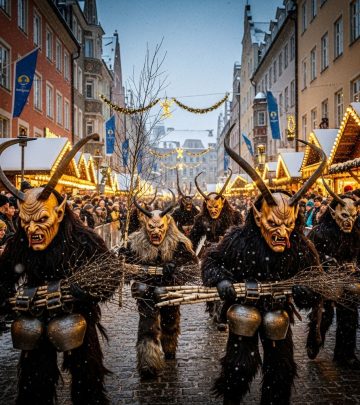
No region in France celebrates Christmas quite like Alsace. The Strasbourg Christmas Market lights up the city every December with festively decorated stalls, local delicacies, arts and crafts, and magical illuminations in the historic squares.
- Try mulled wine (vin chaud), bredele cookies, and holiday specialties.
- Events and markets are also held in Colmar, Mulhouse, and several villages throughout Alsace.
15. Hike or Cycle the Alsace Plain and Vosges Foothills
Alsace’s network of scenic hiking and cycling trails allows visitors to explore vineyards, villages, forests, and low mountain passes at their own pace. The region’s gentle climate and varied landscapes make outdoor excursions a highlight year-round.
- The Voie Verte (greenway) stretches across much of the region for cyclists and walkers.
- Signposted vineyard paths offer easy day-hikes or multi-day adventures.
16. Sample Local Flavors in a Traditional Winstub
No trip to Alsace would be complete without feasting on regional fare. Pop into a cozy winstub for:
- Tarte flambée (Alsatian-style flatbread with cream, onions, and bacon).
- Choucroute garnie (sauerkraut with sausages and pork).
- Munster cheese, baeckeoffe (slow-cooked meat stew), and delicate fruit tarts.
Pair your meal with local wines for the full experience.
17. Discover the Musée Lalique
Fans of French artistry shouldn’t miss the exquisite Musée Lalique in Wingen-sur-Moder. The museum honors the legacy of René Lalique with displays of sparkling jewelry, perfume bottles, and glasswork ranging from Art Nouveau to contemporary pieces, all showcased in a luminous, modern setting.
- Interactive exhibits trace the evolution of Lalique’s world-renowned craftsmanship.
18. Visit the Bibliothèque Humaniste in Sélestat
Sélestat’s Bibliothèque Humaniste is a rare trove of humanist thought. This centuries-old library preserves precious medieval manuscripts and early printed books—including works by Erasmus—set in a state-of-the-art exhibition space.
- Insightful displays explore Sélestat’s Renaissance intellectual heritage.
- Audio guides and themed tours are available in several languages.
19. Experience Scenic Perches at Ballon d’Alsace
Ballon d’Alsace forms the highest summit in southern Alsace, where three provinces meet. Its panoramic hiking trails, ski slopes, and havens for wildflowers draw adventurers in every season. The summit affords breathtaking views stretching from the Jura mountains to the Black Forest.
- Popular for cross-country and downhill skiing in winter.
- Summer brings hiking, cycling, and opportunities for wildlife spotting.
Frequently Asked Questions (FAQ)
What is the best time to visit Alsace?
Spring, early summer, and September are ideal for mild weather, blooming flowers, and fewer crowds. December is perfect for Christmas markets but book ahead.
How many days should I spend in Alsace?
A minimum of three days allows you to explore Strasbourg, Colmar, and a selection of famous villages and vineyards. Extend your stay for hiking or deeper cultural discoveries.
Is Alsace easy to get around without a car?
Major towns are connected by train, but rural villages and the wine route are best accessed by car, bicycle, or guided tour.
Which wines are unique to Alsace?
Alsace excels in aromatic whites, including Riesling, Gewürztraminer, Pinot Gris, and Sylvaner, typically sold in tall fluted bottles.
What languages are spoken in Alsace?
French is the official language, but regional Alsatian dialects with German roots are still spoken in some villages and among older generations.