The Top 10 Things to See and Do in Recife, Brazil
Discover colonial wonders, vibrant culture, beaches, and local gems on your unforgettable journey through Recife.

Recife, the capital of Pernambuco in northeast Brazil, is a city where history, artistry, and pulsating culture meet golden beaches and tropical warmth. Whether you’re drawn to colonial streets, contemporary art, or the rhythms of Carnival, Recife is more than just a gateway to paradise—it’s a destination rich in stories. This guide highlights ten essential experiences to immerse yourself in the soul of Recife.
1. Explore the Historic Center of Recife Antigo
Recife Antigo is the city’s oldest and most charming district, where pastel-hued colonial buildings line cobbled streets and centuries-old churches stand alongside vibrant urban art. Here, history pervades every corner. Key highlights include:
- Marco Zero Square: Known as the symbolic heart of Recife, this lively plaza is the perfect spot to start your exploration. It’s a hub for photos, boat rides to nearby islands, and observing Recife’s dynamic energy.
- Rua do Bom Jesus: Among the oldest streets in the Americas, Rua do Bom Jesus is famed for its Jewish heritage and colorful facades. Don’t miss a stroll down this picture-perfect boulevard, often listed among the world’s most beautiful streets.
- Kahal Zur Israel Synagogue: Built in the 17th century, this was the first synagogue in the Americas. Today, it’s a museum that celebrates the Jewish roots of Recife’s community with captivating exhibits.
- Paço do Frevo & Cais do Sertão Museums: These two institutions celebrate Pernambuco’s folklore and music. Paço do Frevo is dedicated to the region’s fast-paced frevo dance and music, while Cais do Sertão delves into the traditions of the Brazilian hinterlands.
Tip: Visit Recife Antigo on Sunday mornings, when open-air concerts, food stalls, and artisanal markets fill the streets, creating a lively, festive atmosphere.
2. Stroll Boa Viagem Beach
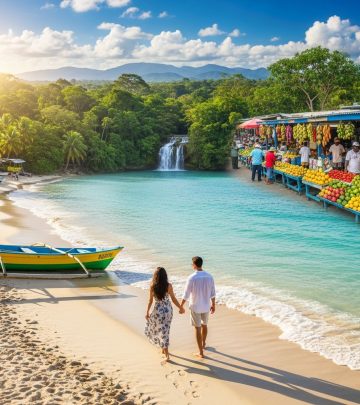
Boa Viagem Beach is Recife’s most famous urban oasis. Stretching along the city’s southern edge, its white sands and warm blue waters are shaded by swaying palms. Natural pools formed by coral reefs offer safe swimming spots, and the beach’s promenade brims with bars, restaurants, and street vendors serving up local delicacies.
- Enjoy a refreshing coconut water or try regional favorites like tapioca pancakes or grilled cheese from beach vendors.
- Take advantage of the natural tide pools for a tranquil swim, especially with children.
- After sunset, Boa Viagem comes alive with live music and nightlife.
Safety Note: While Boa Viagem is idyllic, always heed lifeguard warnings and avoid swimming in open deeper areas due to currents and marine life.
3. Visit the Francisco Brennand Ceramic Workshop & Sculpture Park
Hidden away in lush greenery on the outskirts of Recife, the Oficina Cerâmica Francisco Brennand features the surreal and mythic ceramics of Francisco Brennand—one of Brazil’s most celebrated contemporary artists. This magical open-air museum combines tropical gardens, classical and surrealist sculpture, and unique architecture.
- Workshop: Roam through vast pavilions adorned with fantastical figures and immersive installations.
- Sculpture Park: Adjacent to the workshop, the park displays dozens of Brennand’s unique creations set among palm groves and tranquil water features.
Tip: Wear comfortable shoes and take your time exploring both the gardens and indoor galleries.
4. Marvel at Instituto Ricardo Brennand
Nestled in the city’s forested outskirts, Instituto Ricardo Brennand is a sprawling cultural complex housed in a medieval-inspired castle. Its impressive permanent collection includes:
- Medieval and Renaissance art, with paintings, tapestries, and sculptures.
- An extensive arms and armor exhibition, featuring hundreds of pieces from Europe and South America.
- Brazilian historical documents and artifacts.
- Lush castle grounds with gardens perfect for peaceful wanderings.
Fun Fact: The institute was ranked among South America’s best museums, offering a unique blend of art, architecture, and history.
5. Discover Afro-Brazilian Carnival, Frevo, and Maracatu
Recife is one of the cradles of Afro-Brazilian culture, which comes alive each year during its world-famous Carnival. The festivities, considered among Brazil’s most inclusive, are driven by spirited street parties rather than elaborate floats, with two main musical traditions at their heart:
- Frevo: A fast-paced, brass-heavy music style paired with acrobatic dance moves and colorful umbrellas. Recognized by UNESCO, frevo is a symbol of Pernambuco’s creative energy.
- Maracatu: This traditional Afro-Brazilian performance blends drumming, elaborate costumes, and spiritual rituals.
The rhythms of frevo and maracatu are not reserved for Carnival season. You’ll find performances year-round in cultural centers and city squares. And if you’re in town during February, Recife becomes a massive open-air stage.
Related Experience: The frevo museum (Paço do Frevo) offers interactive displays and live demonstrations. Try out some frevo steps if you dare!
6. Wander Olinda: Colonial Splendor and Mini-Carnival
Olinda is Recife’s neighboring town—so close it’s practically a suburb, yet so charming it’s a UNESCO World Heritage gem in its own right. Boasting steep hills, brightly colored colonial houses, baroque churches, and stunning Atlantic views, Olinda is a must-visit for:
- Alto da Sé: The highest point in the historic center offers panoramic vistas of Recife and the coastline. It’s surrounded by craft markets and laid-back cafes.
- Sé Cathedral: A striking 16th-century church set atop the main square, blending spiritual history and urban beauty.
- Sunday Mini-Carnival: Every Sunday, Olinda hosts a lively celebration with frevo and maracatu music, dancers in vibrant costumes, street parades, and tempting street food. It’s a weekly snapshot of Carnival.
Tip: Wear sturdy shoes—Olinda’s cobbled streets and hills are picturesque but steep!
7. Admire the Golden Chapel (Capela Dourada)
Located in the heart of Recife, the Capela Dourada (Golden Chapel) is a dazzling Baroque church dating from the early 18th century. This ornate gem is renowned for:
- Gilded woodwork that covers walls, ceilings, and the altar.
- Exquisite religious art and sculptures.
- Part of the São Francisco Church and Convent complex.
Whether or not you’re religious, the artistry of the chapel is worth a visit for lovers of architecture and history alike.
8. Shop and Savor at Boa Vista Market
For an authentic taste of Recife’s culinary and social scene, head to Boa Vista Market (Mercado da Boa Vista). This bustling market offers:
- Fresh tropical fruits, aromatic spices, cheeses, and traditional sweets.
- Local eateries serving typical Pernambuco specialties.
- On weekends, the market transforms as live samba and pagode bands perform, with tables spilling into the main square.
Tip: Try the regional delicacy “bolo de rolo,” a rolled sponge cake with guava paste.
9. Dive into Pernambuco’s Soul at Museu do Homem do Nordeste
At Museu do Homem do Nordeste, explore the diverse heritage of Northeastern Brazil. This museum features:
- Indigenous artifacts and folk art.
- Musical instruments and costumes used in local traditions.
- Insightful exhibits on the cultures, struggles, and creativity of Pernambuco’s people.
It’s an ideal spot for travelers seeking a deeper understanding of the region’s history, society, and artistic accomplishments.
10. Attend a Performance at Teatro de Santa Isabel
Step back in time at the Teatro de Santa Isabel, a neoclassical theatre inaugurated in 1850 and now a major hub for performing arts. The theater:
- Hosts concerts, plays, ballets, and other cultural events.
- Is open for guided tours showcasing its architectural marvels and storied past.
- Remains a lively center for Recife’s creative community.
Tip: Check the schedule for live performances during your stay; the theater is particularly active on weekends and holidays.
Recife at a Glance: Culture, Beaches, and Urban Life
| Attraction | Highlights | Recommended for |
|---|---|---|
| Recife Antigo | Colonial streets, music, museums | History buffs, art lovers, photographers |
| Boa Viagem Beach | Swimming, nightlife, local snacks | Families, beachgoers, foodies |
| Oficina Brennand | Ceramic sculptures, gardens | Art enthusiasts, nature lovers |
| Olinda | Colonial houses, Carnival, views | Cultural travelers, walkers |
Frequently Asked Questions (FAQs)
Q: What makes Recife unique among other Brazilian cities?
A: Recife’s blend of colonial history, Afro-Brazilian traditions, thriving contemporary arts, and iconic beaches creates a distinct cultural tapestry unmatched elsewhere in Brazil.
Q: Is Recife safe for tourists?
A: Like many large cities, it’s recommended to stay alert, avoid isolated areas after dusk, and follow local advice, especially at beaches. The historic and tourist areas are generally safe during the day.
Q: When is the best time to visit Recife?
A: The dry season from September to February offers the sunniest beach weather. Carnival season in February or March delivers the most vibrant cultural experience — book early for these dates.
Q: How do I get from Recife to Olinda?
A: Olinda is just 7km from downtown Recife. Taxis, ride-hailing apps, and local buses make the trip quick and affordable, perfect for a half-day or full-day excursion.
Q: What are some typical foods to try in Recife?
A: Don’t miss “bolo de rolo” (guava roll cake), tapioca pancakes, grilled cheese from beach kiosks, freshly caught seafood, and tropical fruit juices—the markets and beach stalls are great places to explore local flavors.
Q: What local arts and crafts can I purchase?
A: Look for handmade ceramics, vibrant Carnival masks, musical instruments, and folk art reflecting Afro-Brazilian and indigenous traditions. Craft fairs in Olinda and Recife Antigo offer high-quality souvenirs.
Conclusion
From the winding canals that earned it the nickname “Venice of Brazil” to iconic Carnival celebrations, sun-kissed beaches, and a lovingly preserved historic core, Recife offers something for every traveler. Delve into its colonial streets, savor local cuisine, and let the rhythms of frevo and maracatu lead you through an unforgettable journey in one of Brazil’s most captivating cities.