Essential Things to Know Before Traveling to the Cook Islands
A comprehensive guide to weather, etiquette, getting around, and local culture for your Cook Islands adventure.

The Cook Islands, a constellation of idyllic isles in the remote South Pacific, beckons with sapphire lagoons, lush mountains, and vibrant Polynesian traditions. Whether you plan to lounge on Rarotonga’s beaches or island-hop the archipelago, some advance knowledge will help you make the most of your tropical escape. This comprehensive guide covers practical tips, cultural etiquette, transport advice, weather considerations, and everything you need to ensure your trip is as seamless as it is unforgettable.
1. Keep an Eye on the South Pacific Weather
The Cook Islands enjoy a warm climate throughout the year, but there are optimal times for travel.
- Best time to visit: May to October offers drier weather and lower humidity, making it ideal for outdoor activities and beach relaxation.
- Wet season: November to April is hotter and wetter, with showers that are often brief and give way to clear skies. December to January marks the official cyclone season. While storms can bring intense rain and wind, severe cyclones are not annual events.
- Travel tip: Always check the forecast before arrival and pack accordingly—light raincoats or quick-dry clothing are smart additions.
2. Plan Your Arrival and Entry Requirements
Getting to the Cook Islands is easier than you might expect, but it’s vital to ensure all travel documents and arrangements are in order before departure.
- Passport and visa: Most travelers do not require a visa for stays up to 31 days, but a passport valid for at least six months beyond departure is mandatory. Confirm requirements specific to your nationality in advance.
- Travel insurance: It’s highly recommended to purchase comprehensive travel insurance covering medical emergencies, cancellations, and weather-related disruptions.
- International flights: Flights connect Rarotonga with Auckland, Sydney, Honolulu, and Papeete. Check for new routes and seasonal services when planning your trip.
- Pro tip: Due to the International Date Line, you may arrive before your departure time. Double-check flight dates to avoid hotel booking confusion.
3. Currency, Money, and Payments
The official currency is the New Zealand Dollar (NZD), sometimes supplemented by locally minted Cook Islands coins.
- Payments: Credit and debit cards are widely accepted at hotels, resorts, and larger businesses, but smaller markets and vendors may prefer cash.
- ATMs: Available in Rarotonga and Aitutaki, though less so on remote islands.
- Tip: Bring some NZD with you for convenience and to avoid ATM fees.
4. Languages Spoken
English is spoken by the vast majority of locals, making travel communication straightforward. Cook Islands Māori (Rarotongan) is also widely used, and learning a few greetings, such as ‘Kia orana’ (hello and welcome), is warmly appreciated.
5. Getting Around the Islands
- Rarotonga’s buses: A circular public bus route runs both clockwise and anti-clockwise around the island, stopping near hotels, beaches, and most attractions. It’s affordable and efficient for getting almost anywhere on Rarotonga.
- Rentals: Cars, scooters, and bicycles are easily rented. To drive a scooter, you must have a motorcycle license from your home country and purchase a local visitor’s license from the police.
- Taxis: Readily available at the airport and main centers, but not as affordable for regular travel.
- Inter-island flights: Air Rarotonga provides daily flights to Aitutaki and less frequent flights to other outer islands; book ahead, especially in peak seasons.
6. Health and Safety Precautions
- General health: The medical infrastructure is basic but sufficient for minor concerns in Rarotonga and Aitutaki. Serious conditions may require evacuation to New Zealand.
- Vaccinations: Check up-to-date health advisories for required or recommended vaccinations.
- Swim and snorkel safely: Currents can be strong near passages in the reef. Always heed local advice and consider guided tours for open water activities.
- Sun safety: UV levels are high; wear high-SPF sunscreen, hats, and protective clothing.
- Food and water: Tap water is chlorinated and generally safe in Rarotonga, but bottled water is recommended for sensitive stomachs or on smaller islands.
7. Connectivity: Internet and Communication
- Wi-Fi: Available at most hotels, cafes, and resorts in Rarotonga and Aitutaki, typically for an hourly or daily fee. Speeds can be moderate.
- SIM cards: Vodafone offers prepaid local SIM cards for tourists—purchase at the airport upon arrival for best rates and coverage.
- Offline tips: Download key local maps and any entertainment before you arrive, as streaming can be unreliable.
8. Cultural Etiquette and Traditions
| Manner | Details and Advice |
|---|---|
| Greetings | Always use ‘Kia orana’ when meeting someone; a handshake is common and respectful. |
| Dress | Beachwear is fine on the sands, but cover up when off the beach or visiting markets and villages. Dress modestly in public and especially in church. |
| Sunday customs | Sunday is observed as a day of rest, with many businesses closing and islanders attending church. Guests are welcome at services—expect hymns, colorful hats, and a warm welcome. |
| Photography | Always ask for permission before photographing people or private property, particularly in villages and cultural gatherings. |
| Respect for the land | Many tracts are privately owned or family-managed. Avoid wandering into gardens or fields without invitation. |
9. Shopping and Souvenirs
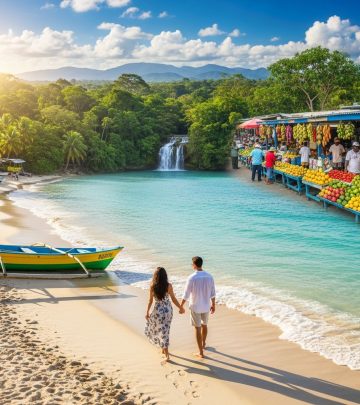
- Markets: The Punanga Nui Market in Avarua is famous for its bustling Saturday atmosphere, local crafts, pearls, and fresh produce. Arrive early for the best experience.
- Crafts: Look for handwoven hats, pandanus mats, wood carvings, shell jewelry, and the iconic ‘tivaivai’ quilts.
- Black pearls: Locally farmed and often available in elegant jewelry or loose—always buy from reputable sellers and ask for certificates of authenticity.
10. Food and Drink
Cuisine in the Cook Islands is a fusion of Polynesian tradition and modern influences, centered around fresh seafood, tropical fruits, and locally grown ingredients.
- Must-try dishes:
- Ika mata: Raw fish marinated in lime and coconut milk.
- Umu: Dishes slow-cooked in an earth oven, especially popular at feasts and cultural events.
- Rukau: Taro leaves in coconut sauce, often served as a side.
- Local produce: Enjoy mangoes, bananas, and passionfruit when in season.
- Tip: Tap water is generally safe on Rarotonga, but bottled water is recommended on the outer islands.
11. Power Plugs and Electrical Supplies
- Power runs at 240V/50Hz using New Zealand-style flat three-prong plugs.
- Bring a universal adapter if your devices use a different plug type.
12. Environmental Responsibility and Sustainability
The islands’ beauty is fragile. Travelers are encouraged to minimize their environmental impact.
- Dispose of waste responsibly. Littering is not tolerated.
- Refrain from touching coral or disturbing marine life while snorkeling or diving.
- Reduce single-use plastic by bringing a reusable water bottle and shopping bag.
13. Activities and Things to Do
- Snorkeling and diving: Explore the vibrant coral gardens at Tikioki (Fruits of Rarotonga), Aro’a Marine Reserve, and Aitutaki’s lagoons.
- Island tours: Guided visits to traditional villages, cultural centers, and historical sites offer insight into Polynesian history and crafts.
- Hiking: Trails such as the Cross-Island Walk traverse lush forests and volcanic ridges. Guided hikes are recommended for safety.
- Maire Nui Gardens: Wander through 7 acres of tropical flora and peaceful ponds, just inland from the main road in Rarotonga.
- Local shows: Experience the energy of Cook Islands drumming and dance at island night performances in resorts and hotels.
14. Tipping and Service Charges
Tipping is not customary or expected in the Cook Islands. If you receive particularly exceptional service, a small cash tip is always appreciated, but not obligatory. Many establishments include service charges in their bill, so always check before tipping.
15. Safety and Common Sense
- Crime rates are very low, but standard travel precautions apply. Lock valuables and avoid leaving items unattended on beaches.
- Use reef shoes; some lagoon areas have sharp coral and stonefish.
- Night swimming is not advised—currents and lagoon conditions may be more hazardous than during the day.
16. Planning Tips for Special Experiences
- Weddings and honeymoons: Cook Islands is a romantic destination for ceremonies and getaways. Bring original documentation for marriage licenses and coordinate with a local wedding planner.
- Events: Check the calendar for cultural festivals, dance competitions, and public holidays, which often feature energetic parades and traditional feasts.
17. Sustainable Tourism and Community Contributions
- Support locally owned businesses and artisans—your spending helps sustain the community and preserve Cook Islands culture.
- Join eco-friendly tours, beach cleanups, or conservation initiatives, many of which welcome international volunteers and visitors.
Frequently Asked Questions (FAQs)
Q: What is the best month to visit the Cook Islands?
A: May to October is considered the best window due to drier, less humid weather and fewer rainstorms. December to January is cyclone season, although severe events are rare.
Q: Do I need a visa to travel to the Cook Islands?
A: Most visitors get a free 31-day entry on arrival with a valid passport. Always check requirements based on your nationality prior to travel.
Q: How do I get from Rarotonga to Aitutaki and other islands?
A: Air Rarotonga provides daily flights to Aitutaki and regular services to other islands. Ferries are rare and schedules may change, so book inter-island flights in advance.
Q: Is it safe to swim and snorkel everywhere?
A: Most lagoon areas are safe and calm, but steer clear of reef passages and strong currents. Always swim with a buddy and heed local safety signs or guidance from tour operators.
Q: How reliable is Wi-Fi and mobile coverage in the Cook Islands?
A: Most main centers and resorts have Wi-Fi, but speeds and coverage can be patchy, especially on smaller islands. Consider a prepaid SIM card from Vodafone for best connectivity.
Q: Are there any specific customs I should be aware of?
A: Sunday is a sacred day; many businesses close and islanders attend church. Dress conservatively off the beach and always ask before photographing people, especially during ceremonies or at village sites.