Essential Things to Know Before Traveling to Slovenia
From booking tips and regional highlights to local wine culture and natural wonders, here’s all you need to know before exploring Slovenia.

Slovenia, a small yet striking country in the heart of Europe, offers travelers a remarkable blend of alpine adventure, Mediterranean charm, historical towns, and innovative cuisine. Whether you’re wandering through Ljubljana’s leafy streets, navigating picturesque wine regions, or exploring crystal-clear lakes and vast caves, use these practical insights to ensure your Slovenian trip is smooth and rewarding.
1. Book Hotels and Popular Restaurants in Advance
Slovenia’s growing popularity as a travel destination means that accommodations and sought-after restaurants, particularly in hotspots like Ljubljana, Lake Bled, and the Adriatic coast, fill up quickly—especially during summer, weekends, and festival months. To avoid disappointment:
- Reserve your hotel rooms and guesthouses several months ahead during peak periods.
- Book tables at top-rated or specialty restaurants, including those with farm-to-table menus or featuring local Slovenian cuisine, before your arrival.
- Consider alternative lodging options, such as countryside farm stays (“turistična kmetija”) or boutique inns in smaller towns, for a more intimate experience and easier access to rural attractions.
Procrastination may mean missing out on unique stays or celebrated culinary experiences that define Slovenian travel.
2. Plan for More Time Than You Think You Need
While Slovenia’s compact size can mislead visitors into thinking a weekend or a few days will suffice, its diversity of landscapes and experiences is vast. After visiting well-known sites such as Ljubljana, Lake Bled, and the coast, many travelers regret not extending their stay to explore less-visited regions and local secrets. Consider adding:
- The Soča Valley for adventure sports, turquoise rivers, and war history.
- Goriška Brda, Slovenia’s “Tuscany,” for vineyards, rolling hills, and exquisite wines.
- The Karst Region for unique limestone caves and traditional villages.
- East Slovenia, including Maribor and Ptuj, for fewer crowds, excellent wines, and historical towns.
No visitor ever complains about spending too much time here. If you love outdoor exploration, consider renting a car or bicycle to traverse scenic routes at your own pace.
3. Visit Wineries by Appointment
Wine culture is an essential part of the Slovenian experience, and the country boasts a variety of award-winning wine regions, each with its own character. Standout areas include Goriška Brda, Metlika, Brežice, and the world’s oldest grapevine in Maribor. To make the most of your wine tasting:
- Always call ahead or book online before visiting wineries. Many are family-run and welcome guests by appointment only.
- Arrange guided tastings or cellar tours for a deeper insight into production methods and local grape varieties.
- Ask about local food pairings, as many wineries also offer platters of cheeses, cured meats, or homemade breads to complement their wines.
Unlike some major wine-producing countries, Slovenian hospitality thrives on genuine connection—planning ahead opens doors to memorable conversations and experiences directly with winemakers.
4. Adhere to Local Driving Rules and Consider Scenic Routes
Slovenia’s roads are known for exceptional quality and beautiful scenery. Driving is straightforward but requires some preparation:
- Purchase and display a vignette (toll sticker) before driving on highways (motorways); available at petrol stations and border crossings.
- Adhere strictly to speed limits and drink-driving laws—Slovenia enforces low blood-alcohol limits.
- For mountain drives, be prepared for narrow, winding roads and sudden weather changes.
- Some regional routes, such as the Soča Valley, Julian Alps, and Karst Plateau, are attractions in themselves; allow time for spontaneous stops at viewpoints and villages.
Travelers keen on cycling will find Slovenia welcoming for bikers, with numerous dedicated paths, especially around Lake Bled, Ljubljana, and wine regions.
5. Make Cultural and Gastronomic Reservations
Gastronomy is a Slovenian pride, with an increasing number of restaurants and chefs earning international acclaim. To savor the best experience:
- Book ahead at top restaurants, especially those recognized by the Michelin Guide or offering seasonal tasting menus.
- Reserve seats for popular events such as Odprta Kuhna (Open Kitchen) food markets in Ljubljana.
- Consider advance tickets for performing arts, music festivals, or special museum exhibits, as many venues are boutique in size.
6. Timing Is Everything: When to Visit
Slovenia has distinct seasons that dramatically alter the travel experience:
- Spring (April–June): Blossoming trees, mild weather, and fewer tourists—ideal for city strolls and countryside excursions.
- Summer (July–August): Warmest and busiest, with bustling lakes, vibrant festivals, and packed coastlines. Book ahead for accommodation.
- Autumn (September–October): Vivid colors, grape harvests (trgatve), and a gentle pace make this a favorite for wine lovers and hikers.
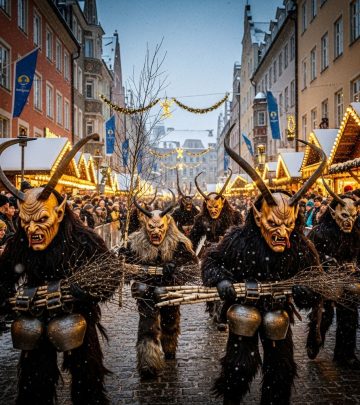
- Winter (December–March): Snow transforms alpine areas into ski destinations and brings Christmas market charm to cities.
Consider shoulder seasons if you prefer lower prices and fewer crowds, yet still want vibrant city life and access to nature.
7. Take Cash—But Don’t Worry Too Much
Slovenia uses the euro (EUR), and cash is widely accepted, particularly at small shops, markets, and rural guesthouses. However, cities and tourist centers are card-friendly. Plan to:
- Carry some small bills and coins for rural stops, market vendors, or taxis in less frequented areas.
- Use ATMs, which are easy to find in all but the most remote locations.
- Note that tips are not obligatory but are appreciated; round up the bill or leave 5–10% in restaurants for good service.
8. Expect Impeccable English (and a Multilingual Culture)
English is widely spoken, especially among young people and in cities, hotels, and tourist attractions. Additionally, you may hear Italian, German, and Croatian in border regions. Nevertheless, a friendly “hvala” (thank you) or “prosim” (please/you’re welcome) in Slovene is always appreciated and can open doors to local warmth.
9. Tap Water Is Safe and Delicious
Feel free to drink tap water throughout Slovenia; sources are often glacial or spring-fed, and refill stations are common in cities and hiking areas. Bring a refillable bottle to reduce plastic waste and enjoy the country’s commitment to sustainability.
10. Don’t Miss Slovenia’s Outdoor Attractions
Slovenia is an outdoor paradise. Highlights include:
- Triglav National Park: Home to Mount Triglav and endless hiking trails. Both new and experienced trekkers will find options ranging from gentle forest walks to serious Alpine ascents.
- Lake Bled: The quintessential postcard view, with its island church, castle, and clear waters ideal for rowing, swimming, or hiking the surrounding hills.
- Lake Bohinj: A quieter alternative to Bled, offering kayaking, cycling, and tranquil scenery.
- The Soča River: Known for turquoise rapids and adventure sports—whitewater rafting and kayaking are exceptional here.
- Karst Caves: Postojna and Škocjan caves are recognized UNESCO sites, featuring dramatic underground landscapes.
- Seaside Towns: Koper, Izola, and Piran, each offering their own blend of Mediterranean flair, beaches, and seafood cuisine.
Don’t ignore the less-touristed east—rolling hills, old castles, and quiet spa resorts abound near Maribor and Ptuj.
11. Slovenian Cities Are Best Enjoyed on Foot
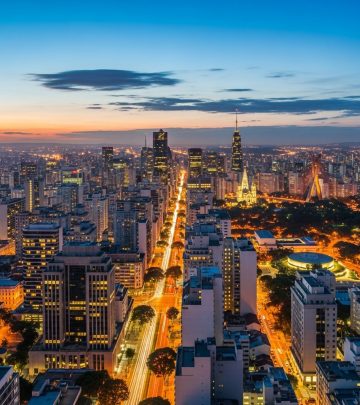
Slovenian cities, especially Ljubljana, are compact, green, and designed for pedestrians. Scenic bridges, riverside cafés, art nouveau architecture, and vibrant local markets beckon for leisurely exploration. Use public transportation for longer trips—trains and buses are efficient and easy to navigate.
Top Travel Tips for an Unforgettable Slovenian Experience
- Bring layers—Weather can shift rapidly, especially in the mountains or coastal zones.
- Take a traditional “pletna” boat on Lake Bled—or rent a canoe for an active experience.
- Ask locals for food recommendations—Slovenian cuisine is regional and best enjoyed at family-run inns.
- Join a truffle hunt or wine harvest event if visiting in autumn.
- Respect nature reserves and park rules for a sustainable adventure—Slovenia is a leader in eco-friendly travel.
Frequently Asked Questions (FAQs)
Is Slovenia expensive for tourists?
While prices have risen with its popularity, Slovenia remains relatively affordable compared to many Western European destinations. Costs are higher in Ljubljana and Lake Bled, but rural or eastern regions are budget-friendly. Dining, transport, and accommodation offer good value for quality.
What is the best way to get around Slovenia?
For flexibility, renting a car is best, especially for exploring wine regions, the Soča Valley, and the mountains. Public trains and buses offer reliable connections between major towns. Ljubljana’s city center is primarily pedestrianized; e-scooters and bikes are popular options for short trips.
Are credit cards widely accepted?
Yes, cards are accepted in most urban restaurants, hotels, and stores. Small businesses and some rural establishments prefer cash, so it’s good to have euros handy for those situations.
Is the tap water safe to drink?
Absolutely—tap water in Slovenia is clean, tasty, and safe throughout the country. Refilling your bottle helps support Slovenia’s green initiatives.
Is Slovenia a good place for solo travel?
Yes. Slovenia is considered very safe, locals are welcoming, and the efficient infrastructure makes solo exploration easy and enjoyable.
When is the best time to visit Slovenia?
Spring and autumn are ideal for mild weather, fewer crowds, and unique events like grape harvests. Summer is busiest and best for swimming or festivals, while winter is great for alpine sports.
Do I need to tip in Slovenia?
Tipping is not mandatory but is appreciated for good service in restaurants, cafes, and taxis. Rounding up or leaving 5–10% is customary.
Can I visit during the winter?
Yes—Slovenia offers excellent skiing, snowboarding, and festive Christmas markets, making it a charming winter destination as well.
Conclusion: Savoring the Slovenian Experience
Slovenia rewards every visitor with diverse natural beauty, vibrant cities, remarkable gastronomy, and welcoming hospitality. With thoughtful planning, an openness to local customs, and curiosity for the country’s lesser-known gems, your Slovenian trip can be truly unforgettable. Whether you’re a culture enthusiast, nature lover, foodie, or adventure seeker, this enchanting country in the heart of Europe has something to delight everyone.