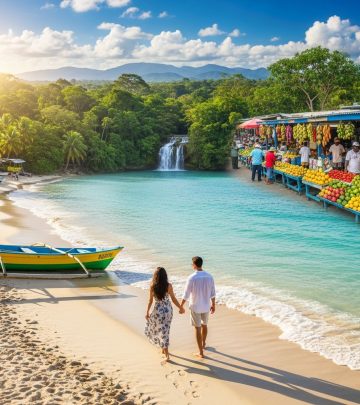
Essential Things to Know Before Traveling to Puerto Rico
Everything you need to prepare for an authentic and hassle-free journey through Puerto Rico’s vibrant culture, landscapes, and experiences.

Planning a trip to Puerto Rico? As a unique fusion of Caribbean charisma and Latin American energy, this US territory stands apart with its vibrant cities, diverse landscapes, rich history, and welcoming spirit. To make your journey smooth and memorable, here’s everything you need to know before you go, from practical tips to cultural etiquette, must-see destinations, getting around, safety, and FAQs.
Puerto Rico at a Glance
- Official languages: Spanish and English (Spanish is predominant, but English is widely understood in tourist hubs).
- Currency: US Dollar (USD).
- Time zone: Atlantic Standard Time (AST), UTC -4 (no daylight saving time).
- Government: Unincorporated territory of the United States.
- Visa requirements: Same as traveling to the United States.
1. Entry Requirements and Travel Documents
Packing for Puerto Rico is uniquely straightforward for many visitors:
- US citizens: No passport required—bring a government-issued photo ID like a driver’s license.
- Non-US citizens: Entry requirements match those for entering the US mainland. ESTA or tourist visa may be necessary depending on your nationality.
- US travel regulations apply: Security checks are similar to those in any US airport.
- Travel insurance is recommended, as US health care applies and can be expensive without coverage.
2. Understanding Language
Spanish is the primary language, with English spoken in major tourist areas. However, learning a few Spanish phrases will enhance your connection with locals.
- Most locals appreciate any effort to speak Spanish, even simple greetings.
- In rural areas, English proficiency may be low, so be prepared for basic communication in Spanish.
3. Currency, Money, and Paying for Things
Puerto Rico uses the US Dollar (USD). Money matters are simple, but there are some insider tips:
- Credit and debit cards are widely accepted in cities and tourist areas.
- Carry some cash for small purchases, rural kiosks, food stalls, or tips.
- ATMs are plentiful in cities but may be scarce in remote regions or on smaller islands like Vieques and Culebra.
- Tips are customary (15-20% in restaurants is standard).
4. Getting Around: Transportation Tips
Puerto Rico offers several ways to get around, but planning ahead ensures a smoother trip:
- Renting a car: The best option for exploring beyond San Juan. International and US licenses are accepted.
- Driving is on the right side of the road. Signs are usually in Spanish, and locals can be aggressive drivers—cautious driving is advised.
- Public transport: Buses operate in San Juan but are less practical for intercity travel.
- Shared public vans called publicos can connect smaller towns but are slow and may not operate late.
- Ride-hailing apps like Uber operate in San Juan but coverage outside the metro area is limited.
- Ferries: Ferries link the mainland with Culebra and Vieques. Book tickets ahead, especially during weekends or holidays.
5. Health, Safety, and Emergency Info
Packed with adventure, Puerto Rico remains welcoming and safe for most travelers, but precautions are always wise:
- No special vaccines required beyond routine immunizations.
- Tap water is generally considered safe to drink, especially in urban areas, but many prefer bottled water outside major centers.
- Street crime is low but exercise usual precautions with valuables, especially in crowded places and at night.
- Hurricanes are possible from June to November—monitor local news during storm season.
- For emergencies, dial 911 (same as US mainland).
6. Local Customs, Etiquette, and Cultural Insights
Puerto Ricans are passionate, spirited, and proud of their culture:
- Greetings are warm. It’s common to greet with a handshake, or a kiss on the cheek among friends.
- Dress code: Island-casual rules, but avoid beachwear away from beaches. Locals dress up for evenings out.
- Tipping is customary in restaurants, bars, and for hotel staff and tour guides.
- Punctuality is relaxed; expect events to start late or run over time.
- Sunday is family time: Many businesses may close or reduce hours.
7. Climate and What to Pack
Puerto Rico enjoys a tropical climate year-round:
- Light, breathable clothing is best.
- Prepare for rainfall; a rain jacket or umbrella is recommended, especially between April and November.
- Bring sun protection—including hats, sunglasses, and reef-safe sunscreen (especially if visiting beaches or coral reefs).
- Good walking shoes for exploring cobblestone streets or hiking.
- Mosquito repellent is handy, especially near mangroves or following rain.
8. Where to Go: Highlights and Hidden Gems
- San Juan: The colorful, lively capital is renowned for Old San Juan’s cobblestone streets, colonial forts, nightlife, and delectable restaurants.
- El Yunque National Forest: The US’s only tropical rainforest—hike lush trails and see waterfalls, native orchids, and wildlife.
- Vieques and Culebra: Island paradises famous for pristine beaches, especially Flamenco Beach and the other-worldly bioluminescent bay at Mosquito Bay.
- Rincón: On the west coast, a legendary surf destination with dramatic sunsets and laid-back beach town vibes.
- Ponce: The cultural capital of the south, with neoclassical architecture, engaging museums, and a vibrant plaza.
- Piñones: A region near San Juan with mangrove trails and the Piñones Trail—ideal for cycling and sampling street food at beachfront kiosks.
- Guavate’s Ruta del Lechón: Seek out mouthwatering roast pork (“lechón”) and dance along to folk music in the lively mountain town of Guavate.
9. Food and Drink: Culinary Delights
Packed with flavor, Puerto Rican cuisine offers something for everyone:
- Must-try dishes: Mofongo (mashed plantains with garlic and pork cracklings), arroz con gandules (rice with pigeon peas), lechón asado (roast pork), and pastelón (Puerto Rican lasagna).
- Street food is a highlight, especially kiosks in Piñones and Luquillo. Try alcapurrias (fried plantain and meat), bacalaítos (cod fritters), and tostones (fried green plantains).
- Beverages: Enjoy a local Medalla beer, a Cuba libre, or sample Puerto Rico’s famed rums in piña coladas.
10. Festivals and Events
- Fiestas de la Calle San Sebastián: January’s massive street festival transforms Old San Juan with music, dance, and parades.
- Year-round, towns across the island hold lively patron saint festivals, carnivals, and music celebrations. Ask locals about events during your stay.
11. Responsible Travel and Sustainability
- Support locally-owned businesses by staying in guesthouses, dining at family-run restaurants, and buying artisanal crafts.
- Observe environmental regulations, especially in fragile natural areas and marine reserves.
- Reef-safe sunscreen is not just a suggestion—it’s crucial to protect the island’s unique coral reefs and bioluminescent bays.
12. Useful Tips for a Smooth Experience
- Electricity is the same as the US mainland (120V, 60Hz, type A/B plugs).
- Wi-Fi is common in hotels and many restaurants in urban areas, but don’t expect reliable cell service in the rainforest or offshore islands.
- Shops and museums may close on US federal holidays; check local schedules.
- Don’t flush toilet paper unless the plumbing is marked as suitable—it’s common in older buildings to use bins for waste.
- Pit toilets may be encountered in some nature reserves or on trails.
Table: Quick Comparison of Major Puerto Rican Destinations
| Destination | Main Attractions | Best For |
|---|---|---|
| San Juan | Old San Juan, nightlife, shopping, forts | History, culture, urban exploration |
| El Yunque | Rainforest hikes, waterfalls | Nature lovers, hikers, birdwatchers |
| Vieques | Bioluminescent bay, wild beaches | Adventure, relaxation, wildlife |
| Culebra | Flamenco Beach, snorkeling | Beachgoers, watersports |
| Ponce | Colonial square, museums | History buffs, culture |
| Rincón | Surf beaches, sunsets | Surfing, laid-back escapes |
Frequently Asked Questions (FAQs)
Q: Do I need a passport to travel to Puerto Rico?
A: US citizens do not need a passport; a valid government-issued ID is sufficient. International travelers must comply with US visa and entry requirements.
Q: Is English spoken widely in Puerto Rico?
A: English is common in tourist areas, but Spanish is the primary language island-wide. Learning basic Spanish phrases can help and is appreciated.
Q: What is the best time to visit Puerto Rico?
A: December to April offers warm, dry weather and is ideal for visiting. June to November is hurricane season; monitor forecasts if traveling then.
Q: Can I use US dollars and my American credit card?
A: Yes. Puerto Rico uses the US Dollar (USD) and most major credit/debit cards are accepted, especially in cities and tourist destinations.
Q: What’s the food like for vegetarians and vegans?
A: Traditional cuisine is meat-heavy, but vegetarian and vegan options are increasingly available, especially in San Juan and tourist towns.
Q: Are there any dangerous animals or health concerns?
A: There are no predators distinctly dangerous to humans. Mosquito-borne illnesses like dengue occur occasionally—use repellent, especially in rainy seasons.
Tips for a Memorable Puerto Rico Adventure
- Embrace the warm hospitality and laid-back pace.
- Sample local cuisines and street foods for a true taste of Puerto Rico.
- Join in on festivals and local celebrations—these are unforgettable parts of the island’s identity.
- Get off the beaten path: Hidden beaches, sleepy mountain towns, and rural trails offer a different, deeper Puerto Rican experience.
- Respect the environment and support local businesses for an impactful, responsible trip.