Essential Things to Know Before Visiting Prague
Uncover the practical tips, cultural insights, and local secrets every traveler should know before exploring the enchanting city of Prague.

With its stunning medieval architecture, vibrant nightlife, hearty cuisine, and fairytale bridges, Prague enchants travelers from around the world. Before you pack your bags for the Czech capital, immerse yourself in essential tips, local customs, transportation advice, and must-see experiences to ensure a smooth and memorable trip to the City of a Hundred Spires.
When to Visit Prague
Prague’s charm remains constant throughout the year, but your experience—and the cityscape—can change dramatically depending on the season.
- Spring (April–June): Parks and gardens are in full bloom. Comfortable temperatures and fewer crowds make this a popular time for sightseeing.
- Summer (July–August): The city buzzes with festivals and outdoor events, but expect large tourist crowds, especially at major landmarks.
- Autumn (September–October): Mild weather and vibrant fall foliage bring a magical feel. Crowds diminish, leaving the cobblestoned streets more peaceful.
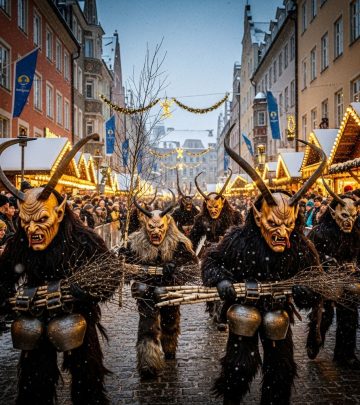
- Winter (November–March): Christmas markets transform the city into a wonderland. Some attractions close early, but you’ll enjoy festive cheer, mulled wine, and fewer tourists.
How to Get Around Prague
Prague’s compact layout, efficient public transport, and walkable historic center make navigation straightforward.
- Public Transit: The integrated system includes metro, trams, and buses. Purchase tickets before boarding, validate them at yellow machines, and keep them handy for potential inspections. You can buy tickets from kiosks, vending machines, or via the mobile app.
- Trams: Trams are iconic and offer scenic routes through stunning neighborhoods. Night trams run in the early morning hours.
- Walking: Most major sights are located within the historic core, making it easy to explore by foot. Be prepared for cobblestones and occasional steep hills, especially in areas like Mala Strana and the Castle District.
- Taxis & Rideshares: Official taxis tend to be expensive and sometimes unreliable. Use rideshare services like Bolt or Uber for fair pricing and convenience.
Where to Stay in Prague
The best district for your stay depends on your interests. Some of the most popular areas include:
- Old Town (Staré Město): Heart of the action, close to major attractions, restaurants, and lively squares.
- Lesser Town (Malá Strana): Quiet, scenic, and nestled beneath Prague Castle with charming streets and cozy pubs.
- New Town (Nové Město): Well-situated for nightlife, shopping, and quick access to Wenceslas Square.
- Vinohrady: A residential, leafy area known for its excellent dining and local vibe, perfect for repeat visitors.
Essential Etiquette and Cultural Insights
Czechs appreciate politeness and discretion. Understanding a few local customs will help you begin your trip on the right foot:
- Greetings: A friendly “Dobrý den” (Good day) or “Ahoj” (Hi) goes a long way. A firm handshake is standard, and direct eye contact is respectful.
- Tipping: Typically, round up the bill or leave about 10%. It’s courteous to hand the tip directly to your server rather than leaving it on the table.
- Dining Etiquette: Wait to be seated, keep your hands (but not elbows) visible on the table, and say “Dobrou chuť” (Bon appetit) before eating.
- Punctuality: Being on time is expected both in professional and social settings.
- Queuing: Czechs value order—always stand in line and wait your turn, whether at a shop, tram stop, or kiosk.
Money and Costs
Although the Czech Republic is in the European Union, the local currency remains the Czech koruna (CZK). Some shops and restaurants in tourist-heavy areas might accept euros, but rates are rarely favorable.
- Cash: Many places, especially small businesses and traditional pubs, prefer cash. Withdraw korunas from ATMs, ideally those at banks for the best rates and lowest fees.
- Credit Cards: Widely accepted in hotels, larger restaurants, and retail shops. Always check for signs indicating card acceptance before ordering.
- Cost of Living: Prague is affordable by European standards, but prices rise in heavily touristed zones. Venture into neighborhoods like Žižkov or Holešovice for better deals and local experiences.
Safety and Common Scams
Prague is considered one of Europe’s safer capitals, with low rates of violent crime. Still, travelers should use common sense and be aware of specific scams.
- Pickpocketing: Crowded tourist sites such as Charles Bridge and Old Town Square are prime targets for pickpockets. Secure wallets, avoid backpacks in crowds, and always stay alert.
- Overcharging: Some taxi drivers and currency exchange offices may inflate prices or fees. Use reputable companies, confirm prices before accepting services, and avoid “no commission” exchange booths in touristy areas, as hidden fees may apply.
- Fake Petitions: Ignore anyone asking you to sign petitions near main attractions, as these may serve as distractions for theft.
- Fake Police: Very rarely, imposters may ask for your ID or attempt to extort fines. Ask to see official credentials and, if doubtful, suggest moving to a police station.
Unmissable Attractions in Prague
Prague brims with essential landmarks, architectural jewels, and hidden corners. Make sure to include these highlights in your itinerary:
- Prague Castle: The world’s largest castle complex, featuring gothic spires, gardens, the striking St. Vitus Cathedral, and commanding views over the city.
- Charles Bridge: A 14th-century stone bridge with baroque statues, bustling vendors, and often, street musicians livening up the scene. Cross early in the morning to avoid crowds.
- Old Town Square: The beating heart of the city, adorned with the Astronomical Clock, colorful buildings, and lively performers.
- Astronomical Clock: Gathering crowds every hour for its procession of wooden apostles, the clock is a marvel of medieval engineering.
- Jewish Quarter (Josefov): Home to Europe’s oldest active synagogue and a moving testament to Prague’s historical Jewish community.
- Dancing House: This contorted glass landmark by Frank Gehry stands out along the riverbank and offers a rooftop bar with sweeping vistas.
- Petrin Hill: Climb or take the funicular up this green escape for panoramic city views and a miniature Eiffel Tower.
- Kafka’s Rotating Head: A mesmerizing sculpture of Franz Kafka near Národní třída, this giant kinetic head rotates and reshapes.
- Vyšehrad: This historic fort perched above the Vltava River offers stunning views and peaceful walking paths far from tourist crowds.
Experience Local Cuisine and Drink
Prague’s culinary scene melds tradition and innovation, with flavors hearty enough to fuel a day of sightseeing. Don’t leave without trying these:
- Goulash: Slow-simmered beef with a savory paprika sauce, typically served with classic bread dumplings.
- Roast Pork (vepřová): Often garnished with sauerkraut and dumplings. A staple in traditional pubs.
- Duck: Another Czech specialty, usually paired with red cabbage and knedlíky (bread or potato dumplings).
- Fried Cheese (smažený sýr): Street food favorite that’s satisfyingly gooey, often served with tartar sauce.
- Trdelník: Sweet pastry grilled over an open flame and dusted with sugar—found in most touristy areas as well as Christmas markets.
- Pilsner Beer: The original Pilsner style was created in nearby Plzeň. Enjoy it in historic beer halls or hip microbreweries. Beer is generally less expensive than bottled water!
For a unique experience, visit the bar at Dancing House (Tančící dům) or local legends like U Fleků, the city’s oldest brewery.
Language Tips
The official language is Czech. However, English is widely spoken in hotels, restaurants, and tourist locations. Some helpful Czech phrases:
| English | Czech |
|---|---|
| Hello / Good day | Dobrý den |
| Thank you | Děkuji |
| Goodbye | Nashledanou |
| Yes / No | Ano / Ne |
| Please | Prosím |
Learning a few words is always appreciated, especially outside major tourist zones.
Practical Packing Tips
- Footwear: Comfortable shoes are essential due to extensive cobblestones and uphill walks.
- Layers: Prague weather changes quickly, especially in spring and autumn. Layers and a light raincoat are advised.
- Adapters: The Czech Republic uses European standard plug types C and E, with 230V supply voltage.
Day Trips and Off-the-Beaten-Path Ideas
Beyond the city center, discover authentic Prague in neighborhoods and scenic parks, or venture further afield for memorable day trips.
- Stromovka Park: Vast green oasis ideal for picnicking and cycling.
- Náplavka: Visit the lively riverbanks for open-air markets, local bars, and evening music events.
- Žižkov Tower: A quirky 216-meter structure featuring roof-top dining and panoramic city views.
- Kutná Hora: This UNESCO-listed town is famed for the haunting Sedlec Ossuary (Bone Church), just an hour away by train.
- Karlštejn Castle: Nestled in tree-covered hills, this well-preserved Gothic castle is a favorite for hiking and history lovers.
Responsible Tourism in Prague
Prague’s popularity brings both benefits and challenges. Adopt responsible travel habits to support local communities and preserve the city’s heritage:
- Book with local guides and businesses to keep money in the local economy.
- Respect residential neighborhoods by minimizing noise, especially at night.
- Use refillable water bottles—tap water is safe and potable.
- Choose environmentally friendly transport, like walking, cycling, or using public transit.
- Follow signage regarding photography and always ask permission before photographing people, especially in spiritual or residential spaces.
Frequently Asked Questions About Visiting Prague
Is public transportation safe and easy to use?
Yes, Prague’s transportation network is safe, reliable, and user-friendly. Buy and validate your ticket before boarding, and consider riding a tram for both convenience and the scenic city views.
Is it common to speak English in Prague?
In central Prague and tourist sites, English is widely spoken. Venturing into neighborhoods and rural areas, a few Czech phrases can be very helpful.
How much should I budget per day?
Prague is a great value for travelers. Budget travelers can get by on €40–50 per day, while those seeking more comfort or special experiences might spend €80–150 daily on meals, attractions, and transport.
Are credit cards accepted everywhere?
Major hotels, restaurants, and shops accept cards, but cash is still preferred in markets, small cafes, and older pubs. Always carry a modest amount of korunas for such situations.
What souvenirs should I bring home?
- Bohemian crystal and glassware
- Handmade wooden toys
- Traditional Czech garnet jewelry
- Books by Franz Kafka or Milan Kundera
Final Tips for Your Trip
- Always confirm prices at restaurants and taxis before ordering or accepting rides to avoid unpleasant surprises.
- Early mornings are the best time for sightseeing—enjoy the beauty of Charles Bridge or Prague Castle without the crowds.
- Stay aware in busy tourist areas, especially during festival season or holidays.
- Try local neighborhoods such as Vinohrady, Holešovice, or Karlin for a more authentic, less touristy experience.
With these essential insights in mind, you’re ready to explore Prague’s rich heritage, sparkling riverbanks, and hidden nooks. The city awaits with open arms—enjoy every moment!