Essential Things to Know Before Traveling to Panama
Comprehensive tips for first-time and returning visitors to Panama, covering logistics, culture, safety, wildlife, and travel essentials.

Panama, the vibrant heart of Central America, is renowned for its iconic canal, cosmopolitan capital, lush rainforests, world-class surf breaks, and unique cultural tapestry. With an abundance of natural and cultural riches, Panama invites travelers to experience everything from urban delights to remote jungle adventures. Whether you’re planning your first trip to this dynamic nation or a return visit, understanding the essentials about Panama will enhance your journey. This detailed guide provides indispensable tips, covering customs, climate, safety, food, transport, and more to ensure you have a seamless and unforgettable Panamanian experience.
Planning Your Trip to Panama
Preparation is key to a successful visit. Take note of the following to get your plans underway:
- Visas and Entry Requirements: Most travelers from North America and Europe do not require a visa for stays under 180 days, but a valid passport and proof of onward travel are necessary. Be sure to check requirements based on your nationality before booking your flights.
- Vaccinations and Health: While Panama City and major tourist destinations pose little risk of tropical diseases, some remote areas require precautions against yellow fever, malaria, and dengue. Consult with a travel health specialist well before departure.
- Best Time to Visit: The dry season (mid-December to mid-April) is generally considered the best time, offering sunny skies perfect for exploring beaches, islands, and the city. The wet season brings lush landscapes and fewer crowds, especially beneficial for those seeking more tranquil adventures.
- Language: Spanish is the official language. English is spoken in Panama City’s tourist areas, but basics in Spanish are invaluable when venturing off the beaten path. Consider learning common phrases for greetings, dining, and directions.
- Currency: The official currency is the Balboa, but the US dollar is used interchangeably for cash transactions. Credit cards are widely accepted in the city but less so in rural regions and remote islands.
Getting Around Panama
Travel in Panama is easier than many expect, with transportation options suitable for all budgets and comfort levels:
- Domestic Flights: Several local carriers connect Panama City with destinations such as Bocas del Toro, David (for Boquete), and the Pearl Islands. Booking in advance during peak seasons is advised.
- Buses: Comfortable and economical buses connect major cities and towns. The Albrook Terminal in Panama City serves as the country’s main hub. For long distances, overnight buses are available.
- Taxis and Rideshares: Taxis are plentiful and affordable, though few use meters; agree on a fare in advance. Rideshare apps like Uber operate in Panama City and offer a safer alternative for urban travel.
- Car Rentals: Renting a car grants flexibility for exploring remote regions like the Azuero Peninsula or Chiriquí highlands. Be cautious—street signage can be confusing, and weather can create muddy or washed-out roads, especially during the wet season.
Public ferries and speedboats are essential for reaching islands such as Bocas del Toro or Taboga Island. For visiting the Guna Yala (San Blas) region, arrange 4WD transport through authorized operators, as most travel here requires assistance due to road conditions and local regulations.
Weather and Climate in Panama
Panama’s climate is tropical and humid, with two distinct seasons:
- Dry Season (mid-December to mid-April): Ideal for beaches and outdoor sightseeing, but some highland areas can remain misty and cool, especially at night.
- Wet Season (mid-April to mid-December): Short, heavy rains are typical in the afternoons, quickly clearing to sunshine, making for lush green landscapes and lower average rates on accommodation and tours.
Temperature varies by elevation rather than season, with coastal regions remaining hot and steamy year-round, and mountain towns like Boquete offering a spring-like climate throughout the year. Pack light, breathable clothing, a rain jacket, and, for highland trips, a sweater or light jacket.
Cultural Etiquette and Local Customs
Understanding Panamanian culture will enrich your travels and help you connect more meaningfully with locals.
- Greetings: A handshake is common for business, while friends and family may exchange cheek kisses. Formality is appreciated when meeting someone for the first time.
- Dress Code: In Panama City and urban centers, locals dress smartly, even for casual outings. Swimsuits and beachwear are for the beach or resort areas only. Cover up with light clothing when leaving these areas.
- Punctuality: While business meetings tend to start on time, social events can run on “Panamanian time”—expect some casual delays.
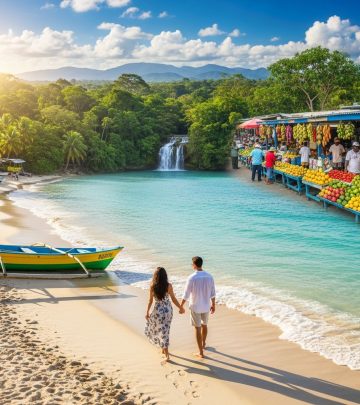
- Bargaining: Bargaining is not the norm in retail shops or restaurants, but it’s acceptable at street markets, especially for souvenirs.
- Respect for Indigenous Communities: When visiting Guna Yala or other indigenous regions, observe all local rules, ask before taking photographs, and support artisans by purchasing from community cooperatives.
Essential Safety Tips for Travelers
Panama is one of Central America’s safest destinations for tourists. Still, some important precautions can ensure a trouble-free journey:
- Urban Safety: Exercise standard urban caution, particularly in areas of Panama City outside established tourist zones, such as El Chorrillo or Curundú.
- Scams and Petty Theft: Pickpocketing and bag snatching can occur in busy city areas or on crowded buses. Carry only what you need, keep valuables out of sight, and use hotel safes when available.
- Natural Hazards: In rural and jungle areas, be mindful of fast rivers, slippery trails, and flash flooding during the wet season. Always follow guides and heed posted warnings.
- Health and Medical Care: Medical care is excellent in Panama City; elsewhere, facilities can be limited. Carry all necessary medications, and purchase comprehensive travel insurance.
- Road Travel: Road conditions in cities are generally good. Exercise caution on rural or mountainous roads, particularly in the rainy season when mudslides and flooding can cause disruptions.
Everyday Practicalities in Panama
- Electricity: Panama uses standard US-type plugs (110V). Travelers from Europe or other regions may need adapters.
- Water: Tap water is safe to drink in Panama City and most towns, but opt for bottled or purified water in rural areas and during trips to small islands.
- Internet and Communications: Wi-Fi is widely available in cities and tourist areas. Buying a local SIM card is straightforward and data is affordable.
- Toilets: Public restrooms can be basic outside cities—carry tissues and hand sanitizer just in case.
- Money: ATMs are plentiful in urban centers; bring cash for remote or island destinations, where card facilities may be absent.
Always check that your bills (especially $20 and $50 notes) are in good condition, as damaged notes may be refused.
Panama’s Culinary Scene
Panamanian cuisine is a tasty fusion of Afro-Caribbean, Spanish, and indigenous influences. Highlights include:
- Ceviche: Freshly marinated seafood, found in local fish markets and restaurants throughout the country.
- Sancocho: A hearty chicken and vegetable stew, considered Panama’s national dish.
- Ropa Vieja and Arroz con Pollo: Stewed shredded beef and classic chicken with rice, found everywhere from city cafés to countryside sodas (diners).
- Street Snacks: Try empanadas (fried pastries with meat or cheese), patacones (fried plantains), and tamal de olla (cornmeal pie).
- Coffee: Panama’s highland beans, especially Geisha coffee, are among the world’s best. Take a coffee tour in Boquete or Volcán to learn more.
Tap water is generally safe in cities, but it’s advisable to ask at restaurants whether salads and ice have been made with purified water outside urban centers.
Adventure Activities and Encountering Wildlife
Panama’s phenomenal biodiversity and wide range of activities offer something for every adventurer:
| Activity | Where to Go | Highlights |
|---|---|---|
| Surfing | Santa Catalina, Bocas del Toro, Playa Venao | Consistent, world-class waves suitable for all levels |
| Diving & Snorkeling | Coiba National Park, Bocas del Toro, Guna Yala | Colorful coral reefs, whale sharks, diverse marine life |
| Hiking & Birdwatching | Soberanía National Park, Barú Volcano, Metropolitan Park | Resplendent quetzals, howler monkeys, toucans, cloud forests |
| Wildlife Spotting | Darién National Park, Chiriquí, Pearl Islands | Jaguars, anteaters, dolphins, sloths, and turtles |
| Urban Culture | Casco Viejo (Panama City), Biomuseo, Fish Market | Vibrant nightlife, colonial history, museums, contemporary art |
Always respect wildlife by keeping a safe distance and choosing responsible tour operators. Panama has several protected reserves where you can encounter exotic species while minimizing your environmental footprint.
Top Panama Experiences Not to Miss
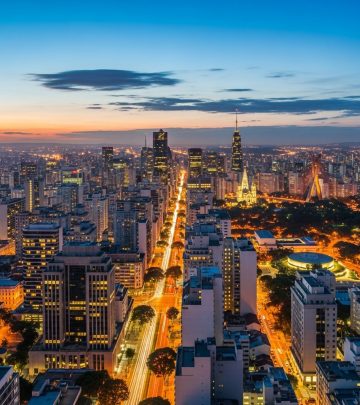
- Walking the cobbled streets of Casco Viejo: The historic quarter of Panama City is bursting with colonial charm, trendy cafés, bustling plazas, street art, and rooftop bars with views of the glittering skyline.
- Witnessing the Panama Canal in action: The Miraflores and Agua Clara Locks offer fascinating encounters with maritime engineering on a grand scale. Timing your visit to see ships transiting the locks is a highlight for all ages.
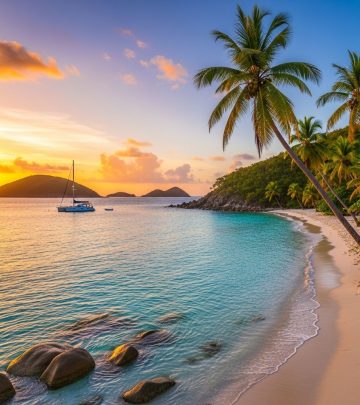
- Island-hopping in the Caribbean: The Bocas del Toro archipelago and Guna Yala’s hundreds of palm-lined islets offer idyllic settings for snorkeling, hammock time, and cultural exchanges with the Guna people.
- Exploring the cloud forests and waterfalls: Highland destinations like Boquete and El Valle de Antón are sanctuaries for hikers, birders, and lovers of cool mountain air.
- Immersing in local festivals: Time your trip for Carnaval, Fiestas Patrias, or regional celebrations for a taste of Panamanian music, dance, and exuberant costumes.
Traveling Responsibly in Panama
- Support Local Communities: Choose locally owned hotels, restaurants, and guides wherever possible. This ensures your travel dollars benefit the communities you visit.
- Protect the Environment: Avoid single-use plastics, participate in beach clean-ups where possible, and stick to established trails in natural areas.
- Respect Wildlife: Don’t touch or feed wild animals, and avoid tours that promote unethical encounters.
Many indigenous communities welcome visitors but ask that you follow their guidelines to help preserve unique cultures and ecosystems.
Frequently Asked Questions (FAQs)
Do I need a visa to visit Panama?
Most visitors from the USA, Canada, the EU, the UK, and many other countries do not need a visa for stays up to 180 days. Check with your nearest Panamanian consulate for the latest entry requirements based on your passport.
What’s the best way to get around in Panama City?
Taxis and Uber are affordable and readily available. The Metro system is clean and efficient for main routes but doesn’t cover all neighborhoods. Consider walking in safe, tourist-friendly areas like Casco Viejo.
Is it safe to drive in Panama?
Road conditions in Panama City and the Pan-American Highway are good. Expect narrow, winding, or sometimes rough roads in rural and highland areas. Carry an up-to-date GPS and always check weather conditions, especially during the wet season.
When is the best time to visit Panama for beaches and outdoor activities?
The dry season (mid-December to mid-April) is the prime time for enjoying beaches, islands, and city life, but the wet season offers greener scenery and fewer crowds.
What should I pack for a trip to Panama?
Light, breathable clothing; comfortable walking shoes; a rain jacket; sunscreen; insect repellent; a swimsuit; and, for visits to mountain destinations, a light sweater or jacket for cool nights.
Final Tips for Travelers
- Plan ahead for must-see sights and excursions, particularly during peak travel periods.
- Embrace slow travel—allow extra time for journeys, as destinations may be further apart than they seem on a map.
- Stay flexible: Weather, festivals, or spontaneous opportunities may prompt you to change plans. Embrace the adventure!
With this knowledge in hand, you’re ready to embark on an extraordinary journey through Panama, unlocking both celebrated highlights and unexpected discoveries along the way.