Essential Things to Know Before Traveling to Malaysia
Prepare for an epic Malaysian adventure with tips on culture, etiquette, packing, safety, and more.

Malaysia offers travelers a heady blend of cultures, landscapes, and flavors, from its futuristic city skylines to ancient rainforests and pristine beaches. Whether you’re here for urban adventures or wild excursions, careful planning and cultural understanding can make your journey safe, enriching, and unforgettable. This guide covers everything you need to know before departing, including travel logistics, etiquette, practical advice, and local quirks highlighted by seasoned explorers.
Planning Your Trip to Malaysia
1. Malaysia’s Dazzling Diversity
Be ready to experience cultural fusion on every street. Malaysia is a tapestry of ethnic groups and religions:
- Peninsular Malaysia: Home to a Malay Muslim majority alongside large Chinese, Tamil Indian, and Indigenous (Orang Asli) populations. You’ll find mosques, Chinese temples, and Hindu shrines coexisting side by side.
- Borneo States (Sabah and Sarawak): Even more ethnically varied, with Sabah boasting 33 ethnic groups who speak over 80 dialects. Sarawak is home to more than 26 ethnic groups and vibrant Christian traditions.
This diversity is reflected in daily life, festivals, architecture, and – above all – the famous Malaysian cuisine.
2. Urban Modernity Meets Ancient Culture
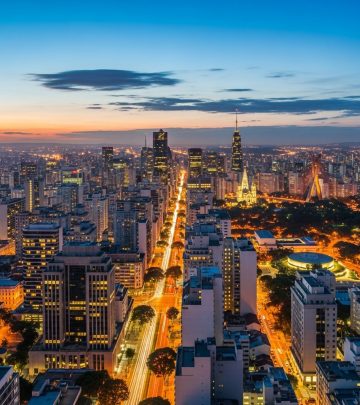
Kuala Lumpur is a gleaming, dynamic capital with cutting-edge infrastructure and world-class amenities. Towering skyscrapers and expansive malls are juxtaposed with ornate mosques, historic buildings, and lush parks.
But urban sophistication extends beyond Kuala Lumpur. Most towns and cities offer robust amenities like mobile network coverage, high-speed Wi-Fi, and modern transportation options. For exploring Borneo and interior highlands, Celcom is often cited as the best mobile operator for coverage.
Navigating Malaysia’s Culture Shock
3. Dress Code: Respectful and Comfortable
Dress modestly, especially when visiting religious sites or rural communities. While urban centers are accustomed to diverse dress styles, the majority religion is Islam, and conservative attire is the norm outside major cities.
- Carry a lightweight scarf or shawl for covering shoulders and knees if needed.
- Beachwear is acceptable at resorts, but cover up when leaving pool or beach areas.
- Men: Long trousers and collared shirts are standard in business or formal settings.
4. Etiquette and Local Customs
Malaysian hospitality is legendary, but a few basic etiquette rules go a long way:
- Shoes: Always remove shoes when entering homes and many religious sites.
- Handshakes: Greeting etiquette varies by community. Among Muslims, a gentle handshake is often accompanied by touching your hand to your chest. For Hindus and Buddhists, a nod or placing palms together may be more appropriate.
- Public displays of affection: Generally frowned upon in public, especially in rural areas.
- Pointing: Avoid pointing with your forefinger; instead, use the thumb of your right hand with fingers folded.
Packing Essentials for Malaysia
5. What to Pack
- Light, breathable clothing—humidity is high year-round.
- Rain gear: A compact umbrella or lightweight rain jacket is essential—showers can be sudden and intense.
- Power adaptors/adapters: Malaysia uses the British-style plug (Type G) and a 240V supply.
- Sun and bug protection: Bring sunscreen, insect repellent, a hat, and sunglasses.
- Reusable water bottle: Stay hydrated and reduce plastic waste.
6. Health Precautions
- Vaccinations: Make sure standard vaccines (hepatitis, typhoid, tetanus) are up to date; check for current recommendations (e.g. dengue, Japanese encephalitis) if venturing into rural areas.
- Tap water: It is generally not recommended to drink untreated tap water—opt for filtered or bottled.
- Medication: Major cities have good pharmacies, but bring any prescription meds and a basic first-aid kit.
Getting Around Malaysia
7. Travel Logistics
Malaysia is well-connected by air, rail, road, and even ferries. Here’s a quick breakdown:
- Domestic flights: AirAsia and Malaysia Airlines offer regular, affordable flights connecting the peninsula and Borneo.
- Trains: Comfortable, slow, and scenic, particularly on the Jungle Railway in eastern Peninsular Malaysia.
- Buses: Reliable, inexpensive, and the mainstay of intercity travel.
- Cars: Renting a car gives flexibility, especially for exploring rural areas and national parks. Roads are good, but watch for sudden tropical downpours and urban congestion.
- Ride-sharing: Grab is widely used and trusted in most cities.
8. Safety and Scams
- Generally safe: Violent crime is rare; petty theft may happen in crowded markets or tourist areas. Keep valuables secure.
- Taxi scams: Use metered taxis or stick with reputable ride-share apps.
- Natural hazards: Watch for strong ocean currents and heed warning signs on beaches; leeches and mosquitoes are more of a concern in rainforests than dangerous animals.
Understanding Money and Costs
9. Currency and Tipping
The Malaysian Ringgit (MYR) is the local currency. Credit cards are commonly accepted in urban areas, but cash is king in rural towns and street markets.
- ATMs: Widely available, but have a backup plan in remote regions.
- Tipping: Not obligatory; rounding up or leaving small change for exceptional service is appreciated.
10. Budgeting Tips
- Street food: An affordable way to sample authentic local cuisine.
- Market shopping: Bargain politely in markets, and be aware that “tourist prices” may apply in busy areas.
- Transportation: Public transport and ride-shares can save money compared to taxis or car rentals.
Communication and Connectivity
11. Language
The official language is Bahasa Malaysia (Malay), but English is widely spoken, especially in tourist areas and among younger Malaysians. You’ll also encounter Mandarin, Tamil, and an array of Indigenous languages, especially in Borneo.
12. Technology
- Wi-Fi: Available in most hotels, guesthouses, and many cafes.
- Mobile data: Affordable and reliable; local SIM cards are easy to purchase.
Food, Drink, and Cultural Highlights
13. Malaysian Food: A Culinary Melting Pot
Prepare your palate: Malaysian cuisine is a rich fusion of Malay, Chinese, Indian, and Indigenous influences, with regional specialties everywhere.
- Street food: Don’t miss hawker centers and night markets for laksa, nasi lemak, satay, char kway teow, and more.
- Dietary considerations: Locals are accommodating of vegetarian, vegan, and halal diets—just ask.
- Eating etiquette: In Muslim communities, eat with your right hand (left is considered unclean). In Chinese restaurants, chopsticks are the norm.
14. Drinking
- Alcohol: Available in most urban areas and tourist destinations, though alcohol is restricted in many rural and Muslim-majority districts.
- Non-alcoholic treats: Try local kopi (coffee), teh tarik (pulled tea), grass jelly, or coconut water on a sweltering day.
Responsible Tourism
15. Sustainability and Environmental Awareness
- Plastic reduction: Bring a reusable bottle and bag; many cities are phasing out single-use plastics.
- Wildlife experiences: Choose reputable, ethical tours for animal and jungle excursions; avoid venues that exploit wildlife.
- Respect the environment: Dispose of waste properly and avoid taking souvenirs from natural sites.
Key Festivals and Holidays
16. Celebrating Malaysia’s Multicultural Calendar
Malaysia marks an incredible array of public holidays and festivals, reflecting its rich diversity. These can impact travel schedules:
- Hari Raya Aidilfitri: Celebrated by Muslims, marking the end of Ramadan.
- Chinese New Year: Major festivities in Chinese communities.
- Deepavali: Hindu festival of lights, especially vibrant in Tamil Indian communities.
- Gawai Dayak (Sarawak) and Kaamatan (Sabah): Harvest festivals unique to Borneo.
During these times, expect busier travel routes, business closures, and special markets or parades. If visiting during a festival, join respectfully—it’s a highlight of Malaysian hospitality.
Table: Quick Reference Guide to Traveling Malaysia
| Topic | Key Points |
|---|---|
| Cultural Diversity | Malay, Chinese, Indian and Indigenous groups; harmonious coexistence; diverse festivals |
| Dress Code | Modest attire, especially in rural and religious areas |
| Connectivity | Fast Wi-Fi, reliable mobile networks (Celcom best for remote areas) |
| Safety | Overall safe, use ride-shares, secure valuables, heed local warnings |
| Transport | Excellent domestic flights, trains, buses, rental cars, Grab app for cities |
| Currency | Ringgit (MYR); cash for markets, small towns |
| Food | Affordable, delicious street fare; multiethnic flavors |
| Drinking | Alcohol widely available in cities, restricted elsewhere |
Frequently Asked Questions (FAQs)
Is Malaysia safe for solo travelers?
Yes. Malaysia is regarded as safe for solo travelers, including women. Exercise normal precautions as you would anywhere: keep an eye on valuables, avoid isolated places at night, and use reputable transportation services.
What is the best time of year to visit Malaysia?
Malaysia’s climate is tropical and humid all year. The best time for the west coast (Kuala Lumpur, Penang, Langkawi) is November to March, while East Coast destinations (Perhentian Islands, Redang, Tioman) are best from April to September due to the monsoon season.
Is tipping required in Malaysia?
Tipping is not customary but welcomed for exceptional service. Simply round up your bill at restaurants or add a small note for hotel staff.
What should I avoid doing in Malaysia?
- Don’t disrespect religious customs—dress modestly and behave quietly in sacred sites.
- Avoid public displays of affection, especially in rural or conservative areas.
- Don’t bring illegal substances—drug laws are very strict.
Do I need a visa to visit Malaysia?
Most nationalities enjoy a 30- to 90-day visa-free stay for tourism, but check with your nearest embassy for updates and specific requirements, as regulations can change.
Final Thoughts
Malaysia invites you to immerse yourself in its vibrant cultures, tropical landscapes, and world-famous flavors. Come with an open mind, a curious palate, and a respectful spirit, and you’ll be rewarded with discoveries at every turn. With these tips, you’re ready to embark on a Malaysian adventure that’s as varied as it is unforgettable.