Essential Things to Know Before Traveling to El Salvador
Prepare for an unforgettable journey: vital travel tips, practical advice, and local insights for exploring El Salvador's cities, beaches, and nature.

El Salvador is Central America’s smallest country but offers a wealth of travel opportunities. From dynamic cities to sun-drenched Pacific beaches, volcanic landscapes, and ancient ruins, El Salvador is ripe for exploration. Long overlooked due to decades of turmoil, the nation is experiencing a tourism renaissance, making now a perfect time to visit. This comprehensive guide covers everything key to know for a smooth, safe, and unforgettable adventure in El Salvador.
Table of Contents
- 1. Enjoy Both City and Beach Life
- 2. Beyond Beaches: Volcanoes, Forests, & Ancient Ruins
- 3. Prepare for Higher Prices During Peak Times
- 4. Best Times to Visit El Salvador
- 5. Arriving by Air: Airport & Entry Requirements
- 6. How to Get Around Safely
- 7. Staying Safe: Crime, Scams, and Natural Hazards
- 8. Money Matters: Currency, Costs, and Tipping
- 9. Speaking the Language
- 10. What to Pack for El Salvador
- 11. Food, Drink, and Water Safety
- 12. Health Tips and Vaccinations
- 13. Cultural Do’s and Don’ts
- 14. Connectivity: SIM Cards and Internet
- 15. Responsible Travel in El Salvador
- 16. Frequently Asked Questions
1. Enjoy Both City and Beach Life
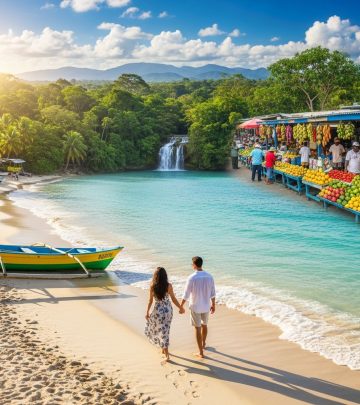
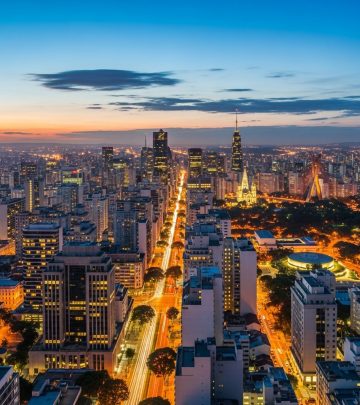
El Salvador seamlessly blends city vibrancy, colonial history, and beachside relaxation. In the capital, San Salvador, explore bold architecture, bustling markets, and standout landmarks like the National Palace and the extraordinary Iglesia El Rosario. Just a 45-minute drive away, the Pacific coast reveals surf-friendly beaches such as La Libertad, dotted with lively fishing ports, beachfront hotels, and stunning sunsets. A five-night trip can easily cover both the urban energy of San Salvador and beach breaks on the coast, making for a diverse itinerary.
2. Beyond Beaches: Volcanoes, Forests, & Ancient Ruins
El Salvador isn’t just about sand and surf. Its natural and cultural attractions are equally compelling:
- Volcanoes: Over 170 volcanoes dot the landscape. Notable climbs include Santa Ana (Ilamatepec), Izalco, and San Salvador volcanoes, each offering incredible hiking, panoramic views, and crater lakes.
- Tropical Forests & National Parks: Explore lush reserves like El Imposible National Park or trek through cloud forests in Apaneca. Wildlife spotting, birding, and eco-adventuring draw outdoor enthusiasts.
- Maya and Colonial Sites: Marvel at Maya ruins such as Tazumal and Joya de Cerén, or visit flower-filled villages with vibrant murals and colonial plazas like Suchitoto.
Culture, adventure, and history meet around every corner.
3. Prepare for Higher Prices During Peak Times
El Salvador is generally affordable but prices rise during local holidays and peak tourism seasons.
- Semana Santa (Easter week) and Christmas/New Year holidays see a sharp uptick in accommodation and service fees.
- Surf events and school vacation periods also elevate costs and can lead to busy beaches.
Book flights and hotels early if your trip coincides with these times, and consider traveling in the shoulder seasons for better prices and fewer crowds.
4. Best Times to Visit El Salvador
El Salvador’s tropical climate is divided into two main seasons:
| Season | Months | Highlights |
|---|---|---|
| Dry Season | November – April | Best for outdoors, hiking, city exploration, and beaches. Less rainfall, easier road travel. |
| Wet Season | May – October | Short tropical downpours (mostly afternoons), lush scenery, ideal for surfing. |
Pack accordingly: light clothing for the dry season, rain protection for the wet season.
5. Arriving by Air: Airport & Entry Requirements
Most international visitors arrive via El Salvador International Airport (SAL), located about 40 minutes from San Salvador and the main beach areas. Entry requirements are straightforward for most nationalities:
- Valid passport (minimum six months validity recommended)
- Entry tourist card (typically purchased upon arrival for a small fee)
- No visa is required for citizens of most Americas, EU, and some Asian countries for short stays
- Proof of onward travel may occasionally be requested
Check current requirements with your airline or the Salvadoran embassy before travel.
6. How to Get Around Safely
Travel within El Salvador is relatively simple, with several options:
- Private Shuttles and Taxis: Safest and most convenient for airport transfers, especially at night. Use authorized providers.
- Rental Cars: Available at the airport; useful for exploring surf coasts, mountains, and rural towns. Prioritize secured parking and avoid night driving outside cities.
- Buses: Local and intercity buses are cheap but crowded. Take caution with belongings and avoid late travel.
- Ride-hailing Apps: Uber and similar services operate in San Salvador, offering a safer alternative to street taxis.
Plan routes in advance and consult hotel staff for reliable local transportation tips.
7. Staying Safe: Crime, Scams, and Natural Hazards
El Salvador’s public image has rapidly improved, but sensible precautions are essential:
- Stick to well-known tourist zones and avoid isolated areas at night.
- Secure valuables and minimize displays of wealth (jewelry, expensive gadgets).
- Use only registered taxis or ride-hailing apps.
- ATM withdrawals are safest in daylight and at banks or shopping centers.
- Petty theft and pickpocketing are the most common hazards in crowded spaces.
- For outdoor activities, heed local advice on volcanic activity, rip currents, and weather conditions.
The Salvadoran government has made significant strides in reducing street crime, especially in tourist districts, allowing for a more secure experience than in previous decades.
8. Money Matters: Currency, Costs, and Tipping
- Currency: The official currency is the United States Dollar (USD).
- Cash is King: Credit cards are accepted in cities and beach resorts, but cash is essential in small towns and markets.
- ATMs: Widely available in urban areas; less so in remote villages.
- Bargaining: Negotiation is expected at local markets for handicrafts and souvenirs.
- Tipping: 10% is customary in restaurants if not included. Round up for taxi drivers and hotel staff for good service.
9. Speaking the Language
- Spanish is the official and predominant language.
- English is spoken in some hotels and tourist services, but less common elsewhere.
Learning basic Spanish phrases will greatly enhance your travel experience and help with taxis, menus, and friendly exchanges with locals.
10. What to Pack for El Salvador
Packing appropriately will help you enjoy the diversity of this destination:
- Lightweight clothing, sun protection, and swimwear for the beaches
- Hiking shoes and a light jacket for volcanoes or mountain towns
- Rain gear if traveling during the wet season
- Travel adapter (US plugs are used)
- Reusable water bottle (filtered water recommended in remote areas)
11. Food, Drink, and Water Safety
- Don’t miss pupusas, El Salvador’s signature stuffed tortillas, often filled with cheese, beans, or chicharrón (pork).
- Try fresh seafood on the coast and embrace local specialties, including yuca frita and elote loco (seasoned corn on the cob).
- Tap water is not recommended for drinking—stick to bottled or filtered water, especially in rural areas.
- Fruit washed in clean water and food cooked fresh are generally safe.
Vegetarian options are increasingly available in major towns and tourist hotspots, but can be limited elsewhere.
12. Health Tips and Vaccinations
- Recommended Vaccinations: Hepatitis A & B, typhoid, tetanus, and routine immunizations.
- Mosquito-borne illnesses (dengue, Zika, chikungunya) are present—use insect repellent and sleep under nets if required.
- Travel insurance with medical coverage is strongly advised.
- Carry personal medications, as rural pharmacies may have limited stock.
13. Cultural Do’s and Don’ts
- Greetings are important: A polite “Buenos días” or handshake goes a long way.
- Dress modestly in churches and rural areas; beach attire is fine on the sand but cover up in towns.
- Ask permission before photographing people.
- Punctuality is relaxed. Conversations are friendly; family and hospitality are valued strongly.
14. Connectivity: SIM Cards and Internet
- Local SIM cards (Tigo, Claro, Movistar) are available at airports and convenience stores.
- Mobile data coverage is good in cities and towns; patchy in remote, mountainous, or beach areas.
- Most hotels, cafes, and restaurants in tourist areas offer free Wi-Fi.
15. Responsible Travel in El Salvador
- Support local businesses and artisans; shop at markets and seek out Salvadoran-owned accommodations and tours.
- Respect natural environments: Stay on established trails, use reef-safe sunscreen, and avoid single-use plastics.
- Contribute to community development projects when possible, especially in rural villages.
16. Frequently Asked Questions (FAQs)
Q: Is it safe to travel to El Salvador now?
A: Safety has improved greatly, particularly in tourist areas, but remain vigilant about petty theft. Using common-sense precautions (traveling in groups, avoiding isolated areas, securing valuables) will minimize risk.
Q: Can I use US dollars in El Salvador?
A: Yes. The United States Dollar is the legal currency countrywide, making transactions simple for visitors from the US and requiring minimal currency exchange.
Q: Do I need to speak Spanish to get by?
A: While English is spoken at some hotels and tourist centers, basic Spanish will help in local exchanges, transportation, and non-touristed areas. A phrasebook or translation app is highly recommended.
Q: What’s the best way to get around?
A: Private transport, taxis (from reputable companies), and ride-sharing apps are safest and most reliable for visitors. Intercity buses are budget-friendly but require caution and planning.
Q: What if I have food allergies?
A: Inform restaurant staff clearly about dietary restrictions; larger establishments and those in tourist areas are usually attentive to these needs, though options can be more limited in rural spots.
Q: Can I drink tap water?
A: It is best to drink bottled or purified water, especially outside of major cities, to avoid stomach upsets.
With preparation, basic caution, and an open mind, El Salvador’s blend of natural wonders, urban excitement, and warm hospitality offers rewarding experiences for all adventurers.