13 Essential Things to Know Before Traveling to Colombia
Get ready for your Colombian adventure with crucial tips on weather, safety, planning, culture, and travel logistics.

Colombia has transformed into one of South America’s most exciting and welcoming destinations, known for its rich culture, vibrant cities, and breathtaking landscapes. If you’re preparing for your first Colombian adventure—or hoping to delve deeper into its heart—these 13 essential tips will help you plan, travel, and experience the very best of what this one-of-a-kind country has to offer.
1. Pack for All Kinds of Weather
Colombia’s incredible variety of ecosystems and altitudes means you can experience multiple seasons in a single trip.
- Caribbean coast: Hot and humid year-round—think shorts, sandals, and sunscreen.
- Andean regions (Bogotá, Medellín): Cooler temperatures, especially in Bogotá, with frequent rain showers.
- Rainy seasons: April-May and September-November. Dry seasons: December-February and July-August.
- Packing essentials: Lightweight layers, comfortable walking shoes, and a reliable rain jacket are a must.
Be prepared for sudden weather changes, and check the forecast for each region on your itinerary.
2. Don’t Try to See All of Colombia in One Visit
Colombia’s diversity and size make it tempting to cram in multiple destinations, but this can lead to fatigue and missing out on the country’s laid-back pace.
- Focus on one region or a group of nearby cities for a richer experience.
- Top regions to consider: the Caribbean coast (Cartagena, Tayrona National Park, Santa Marta), Andes (Bogotá, Medellín, Zona Cafetera), or the Amazon.
- Moving slowly lets you savor Colombia’s culture, cuisine, and scenery.
3. Domestic Flights Are Fast and Affordable
The vast distances between Colombian cities make domestic flights the most efficient way to travel, particularly if your time is limited.
- Low-cost airlines connect most major destinations like Bogotá, Medellín, Cartagena, and Cali.
- Look for promos, but beware that basic fares often exclude checked (and sometimes carry-on) baggage fees.
- Book in advance for the best prices, especially during local holidays and peak travel seasons (December–mid-January, Semana Santa, June–August).
Regional buses offer a budget-friendly, local experience—with colorful sights and blaring music—but can be slow.
4. Be Mindful of Health and Safety—But Don’t Be Afraid
Colombia’s reputation has shifted dramatically in recent decades, but sensible precautions ensure safe and enjoyable travel.
- General safety: Stick to well-traveled areas and avoid isolated streets after dark, particularly in major cities.
- Leave valuables behind when adventuring out, especially in busy urban zones.
- Use registered taxis or ride-hailing apps versus hailing cabs off the street.
- Consult travel advisories and local sources for up-to-date information before venturing off the typical tourist path.
Colombians are incredibly warm and helpful, so don’t hesitate to ask for advice from hotel staff or locals.
5. Learn Basic Spanish Phrases
While English is increasingly spoken in tourist hubs, Spanish is Colombia’s official language and still essential in most regions.
- Greeting people with a polite “buenos días” or “buenas tardes” goes a long way.
- Common travel phrases (“¿Cuánto cuesta?”, “¿Dónde está…?”, “Una cerveza, por favor”) enhance your interactions and experiences.
Don’t be shy—Colombians typically appreciate travelers who make the effort to communicate in Spanish, even with limited skills.
6. Adopt Colombia’s Relaxed Sense of Time
Colombian culture values flexibility and a free-spirited approach to schedules. Punctuality is often viewed as aspirational rather than absolute.
- Buses may depart late, shops can open at irregular hours, and meals run long and social.
- Approach your itinerary with patience and keep an open mind—it’s all part of the Colombian experience.
7. Get Vaccinations and Bring Necessary Medications
Health is key for worry-free travel in Colombia, especially if heading to jungles, rural areas, or the Amazon.
- Yellow fever vaccination is recommended (and sometimes required) for travel to certain regions (e.g., the Amazon, Tayrona National Park).
- Consider vaccinations for hepatitis A and B, typhoid, and rabies, depending on your itinerary.
- Bring insect repellent to protect against mosquitoes, especially in lower elevations.
- Carry enough prescription medication and a copy of your prescriptions.
Drink bottled or treated water outside of major cities.
8. Eat and Drink Adventurously—but Safely
Colombia’s cuisine varies widely by region, offering delights from hearty Andean stews to fresh coconut-infused coastal dishes.
- Street food is tempting—choose busy stalls with a high turnover for fresher ingredients.
- Try specialties like arepas, empanadas, bandeja paisa, ajiaco, and fresh tropical juices.
- Be cautious with uncooked foods and salads if you have a sensitive stomach.
9. Always Carry Some Cash (Pesos)
While credit cards are accepted in upscale restaurants and hotels in large cities, cash (Colombian pesos) remains essential for street vendors, taxis, buses, small towns, and markets.
- ATMs (cajeros automáticos) are widely available, but carry only what you need for the day.
- Small denominations are useful for tips and minor purchases.
Exchange only at reputable establishments such as banks or cambios.
10. Use Public Transport and Taxis Wisely
TransMilenio in Bogotá and metro in Medellín are efficient, reliable, and cost-effective ways to get around.
- In cities without metro systems, registered taxis and ride-hailing apps (e.g., Beat, Cabify, Uber) are safest and most convenient.
- Agree on the fare before setting off if using street taxis in smaller towns.
Traveling between cities, domestic flights save time, while regional express buses offer immersive scenery—but journeys can be long.
11. Respect Local Customs and Etiquette
Colombians place strong emphasis on courtesy, hospitality, and personal appearance.
- Greet people upon entering shops or elevators.
- Dress smartly, especially in cities—shorts and flip-flops are best left for the coast or resort areas.
- Say “con gusto” or “mucho gusto” when thanked, and “por favor” and “gracias” liberally.
Colombians are also known for their warmth—they may stand closer during conversations or offer a hug when parting.
12. Explore the Diversity—From the Andes to the Amazon
Colombia offers an extraordinary tapestry of experiences:
- Historic cities: Walk the colonial streets of Cartagena, with its pastel facades and Caribbean sea breeze.
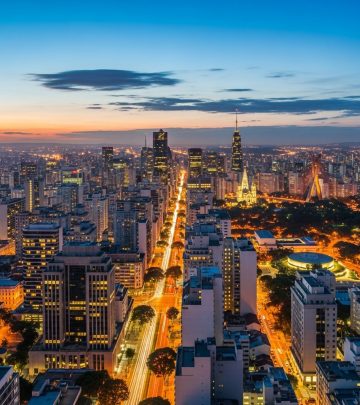
- Vibrant urban life: Explore the culture and innovation of Bogotá and Medellín.
- The Coffee Triangle: Sample world-famous brews among lush plantations and rolling hills.
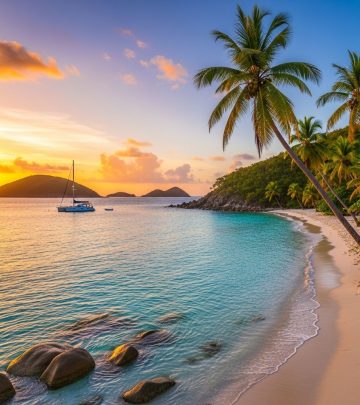
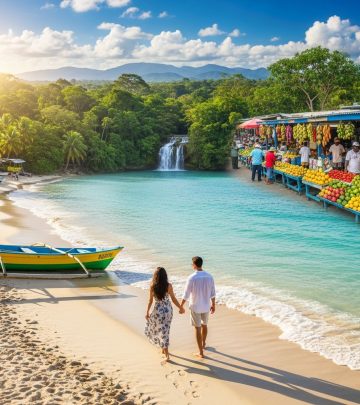
- Untamed nature: From Amazon rainforest to snowcapped peaks, Caribbean beaches, and the mysterious Ciudad Perdida (Lost City).
Plan your route based on your passions—every traveler finds their own Colombia.
13. Experience the Warmth of Colombian People
Above all, it’s Colombians themselves—proud, resilient, and delighted to share their homeland—who turn a trip into a lifelong memory. Engage with locals, embrace their joy for life, and you’ll soon understand why visitors rave about this country’s unbeatable atmosphere.
| City/Region | Climate | Top Experiences |
|---|---|---|
| Bogotá | Cool, rainy, high-altitude | Gold Museum, street art, Monserrate hill |
| Medellín | Mild, spring-like | Comuna 13, parks, innovation hubs |
| Cartagena | Hot and humid | Walled city, castles, Caribbean beaches |
| Zona Cafetera | Temperate, green | Coffee tours, hiking in Cocora Valley |
| Amazon | Dense jungle, humid | Wildlife, cultural exchanges |
Frequently Asked Questions (FAQs)
Q: Is Colombia safe for travelers?
A: Yes, Colombia has become much safer for tourists in recent years. While it’s important to remain cautious and aware, especially in large cities, most visits are trouble-free. Stay in well-traveled areas, use common sense, and consult local sources for updates.
Q: What is the best time to visit Colombia?
A: The dry seasons (December–February and July–August) are ideal for most activities, but Colombia is a year-round destination due to its varied climates. Plan region-specific activities according to rainy and dry periods.
Q: Do I need a visa to visit Colombia?
A: Most visitors—including US, EU, UK, Canada, and Australia passport holders—can enter Colombia visa-free for up to 90 days. Always check current visa requirements before you travel, as regulations can change.
Q: Can I drink the tap water?
A: Tap water is generally safe in major cities like Bogotá and Medellín, but it’s best to drink bottled or filtered water elsewhere, particularly in rural regions and the Caribbean or Amazon.
Q: What currency is used in Colombia?
A: The Colombian peso (COP) is the local currency. ATMs are widely found in cities, but always carry some cash for small purchases or in rural areas.
Q: Is it necessary to tip in Colombia?
A: Tipping is customary and appreciated in restaurants (typically 10%), as well as for guides, drivers, and service staff. Small change is useful for tips.
Final Thoughts
Colombia dazzles with its landscapes, culinary heritage, and ever-friendly citizenry. By planning ahead and traveling mindfully, you’ll discover a nation whose spirit and warmth linger long after your journey ends. ¡Buen viaje!