Essential Things to Know Before Traveling to Bavaria
Discover Bavaria’s traditions, tips, and must-sees with essential advice for an authentic and stress-free trip.

Bavaria, Germany’s largest federal state, captivates visitors with its enchanting castles, medieval towns, majestic Alps, and famed beer halls. Planning a trip here is a chance to experience deeply-rooted traditions, stunning landscapes, and a welcoming local culture. This comprehensive guide covers practical tips, local etiquette, must-see destinations, and travel hacks for a memorable Bavarian adventure.
Understand the Bavarian Way of Life
Bavaria has a distinct identity even within Germany. From unique dialects to centuries-old customs, travelers will find there is plenty that sets the region apart.
- Language: While German is the official language, Bavarians often speak a local dialect that can differ significantly from standard German. Most locals understand and speak Hochdeutsch (standard German), and younger generations and urban dwellers are often comfortable with English, especially in tourist areas.
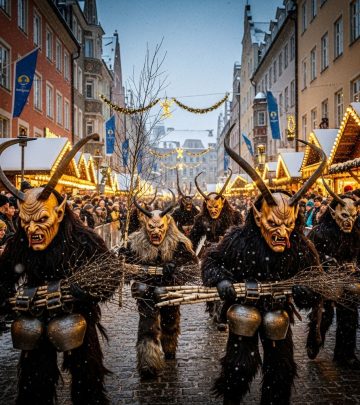
- Pride in Tradition: Bavaria is proud of its traditions, including folk music, clothing (lederhosen and dirndls), and festivals. Embrace opportunities to attend events, ask respectfully about customs, and participate where welcomed.
- Religion: Bavaria has a largely Catholic heritage, visible throughout the region’s architecture and annual calendar of feast days, processions, and holidays.
Top Sights and Destinations in Bavaria
There’s much to see: medieval cities, world-class museums, crazy castles, and mountain vistas. Here are the essentials:
- Munich: Start your trip with Bavaria’s vibrant capital—home to historic beer halls, futuristic museums, and elegant gardens. Don’t miss the Marienplatz, English Garden, and Munich Residenz.
- Neuschwanstein Castle: The iconic fairy-tale castle that inspired Disney is a must-see. Tours offer insight into the eccentric King Ludwig II and the castle’s fantastical architecture.
- The Romantic Road: This scenic route links Würzburg in the north with Füssen in the south, passing medieval towns like Rothenburg ob der Tauber and Dinkelsbühl, lush vineyards, and dramatic fortresses.
- Bavarian Alps: Hike, ski, or simply admire the peaks around Garmisch-Partenkirchen, Berchtesgaden, and the Zugspitze, Germany’s tallest mountain.
- Festivals: Oktoberfest is the headline event—a massive celebration of Bavarian culture, beer, food, and music held annually in Munich. Many smaller village festivals throughout the year showcase local traditions and crafts.
Key Customs and Local Etiquette
Understanding local etiquette helps travelers avoid faux pas and forge genuine connections.
- Greetings: Bavarians typically greet with a firm handshake. Say “Grüß Gott” during the day or “Servus” in informal situations.
- Politeness: Respect for elders and formal occasions is important. Always use “Sie” (formal ‘you’) unless invited to use “du” (informal ‘you’).
- Punctuality: Being on time is crucial in Bavaria. Whether for dinner or a tour, arrive promptly.
- Dress Codes: Smart-casual attire is appreciated, especially in restaurants and cultural venues. Save traditional clothing (lederhosen, dirndl) for festivals or when invited.
- Dining Etiquette: In beer gardens, it’s customary to share tables with strangers and offer a simple greeting. Tipping (5–10%) is expected for good service.
Practical Tips for Travelers
These suggestions will help streamline your journey and avoid unnecessary hassles.
- Public Transport: Bavaria’s cities and towns are well-connected by trains, buses, and trams. Consider a BahnCard or regional ticket for savings. Validate your ticket before travel to avoid fines.
- Weather: Bavarian weather can be unpredictable—layer clothing and prepare for rain, especially in shoulder seasons. Alpine areas are cooler year-round.
- Cash is King: Many smaller establishments, bakeries, and beer gardens prefer cash. ATMs are widely available, but always carry some euros.
- Shops and Stores: Most stores close on Sundays and public holidays. Plan purchases accordingly, especially outside of large cities.
- Health and Safety: Bavaria is very safe, but minor theft and pickpocketing can happen in crowded tourist areas. Emergency numbers: Police 110, Ambulance/Fire 112.
- Public Toilets: Look for “WC” signs. There may be a small charge for entry, especially in train stations or shopping centers.
Bavaria’s Unique Culinary Experiences
Bavaria offers hearty regional food and celebrated drinks. Try these local favorites:
- Weißwurstfrühstück: The classic Munich breakfast features veal sausages, a pretzel, sweet mustard, and wheat beer – a must-try in local beer halls.
- Pretzels & Brotzeit: Sample oven-fresh pretzels, rustic breads, cheeses, sausages, and pickles as part of a traditional “bread time” snack.
- Bavarian Beer: Taste celebrated brews in Munich’s beer halls or outdoor gardens. Don’t miss Hofbräuhaus or the riverside Chinesischer Turm.
- Regional Specialties: Beyond sausages, try Schweinshaxe (pork knuckle), Obatzda (cheese spread), and apple strudel.
- Drinks: Bavaria is noted for its wheat beers (Weissbier) and light, crisp lagers, as well as Franconian wines from the north.
Shopping and Souvenirs
Take home a piece of Bavaria with these classic finds:
- Christmas Ornaments: Käthe Wohlfahrt’s flagship store in Rothenburg ob der Tauber offers iconic decorations and nutcrackers.
- Handmade Crafts: Browse local woodcarvings, cuckoo clocks, and ceramics in towns and village markets.
- Bavarian Textiles: Pick up a traditional scarf, linen, or even a dirndl or lederhosen if you’d like an authentic keepsake.
Recommended Routes and Itineraries
Bavaria is ideal for travelers who love scenic journeys, whether by car, train, or bike:
| Route | Highlights | Distance |
|---|---|---|
| Romantic Road | Würzburg, Rothenburg, Dinkelsbühl, Augsburg, Füssen | ~350 km |
| German Alpine Road | Lindau, Allgäu, Zugspitze, Chiemsee, Berchtesgaden | ~400 km |
| Munich Day Trips | Dachau, Nymphenburg Palace, Andechs Monastery | Various |
Health, Safety, and Local Laws
- Healthcare: Germany has excellent medical facilities. EU citizens should bring their European Health Insurance Card; travelers from outside Europe should carry travel health insurance.
- Emergency Numbers: Police 110, Ambulance/Fire 112.
- Laws: Respect local regulations on alcohol, smoking (restricted on public transport and many public places), and cycling rules. Jaywalking is frowned upon.
- Covid-19: Check current regulations; masks and distancing may be enforced in some areas.
FAQs: Common Questions About Traveling in Bavaria
Is Bavaria friendly for solo travelers?
Yes, Bavaria is welcoming, safe, and offers plenty of organized tours, hostels, and opportunities to meet others.
Do I need to speak German?
It helps, especially in rural areas, but English is widely spoken in cities and tourist destinations.
What’s the best way to get around?
Trains and regional buses reach most cities and sights. Renting a car offers flexibility for countryside exploration.
Are there any travel passes for tourists?
Yes, look for Bayern Ticket (regional trains), Munich CityTourCard, and museum passes for savings.
When is the best time to visit Bavaria?
Summer and autumn (May to October) offer warm weather and lively festivals. Winter is beautiful for alpine sports and Christmas markets.
Inspiring Itinerary: Classic Bavaria in One Week
- Day 1–2: Explore Munich, including Marienplatz, beer halls, and museums.
- Day 3: Take the Romantic Road north to Rothenburg ob der Tauber.
- Day 4: Visit Dinkelsbühl and Augsburg, then reach Füssen.
- Day 5: See Neuschwanstein Castle and the Alpine lakes.
- Day 6: Drive the German Alpine Road toward Berchtesgaden.
- Day 7: Walk, hike, or relax around Königssee, then return to Munich.
Final Tips for an Authentic Bavarian Experience
- Be open to striking up conversations in beer gardens—they are hubs of social life.
- Respect quiet hours (Ruhezeit)—Bavarians value peace, especially in residential areas.
- Take time to explore small towns; each has distinctive traditions, foods, and crafts.
- If offered a schnapps or local drink, accept—it’s a symbol of hospitality.
Visiting Bavaria promises more than scenic vistas—it’s a rich blend of history, heart, and genuine hospitality. Prepare with knowledge, show interest in local customs, and enjoy the magic of southern Germany at its best.