Essential Things to Know Before Traveling to Austria
Prepare for a seamless trip to Austria with practical tips, local culture advice, transportation insights, and more.

Austria captivates visitors with snow-capped ranges, imperial grandeur, and its deep musical roots. But to get the most from your Austrian adventure, understanding the country’s etiquette, transportation systems, seasons, and cultural quirks is essential. This comprehensive guide brings together indispensable information and essential tips for anyone planning to explore Austria, ensuring you experience the best the country has to offer.
Why Visit Austria?
Austria is renowned for its sophisticated cities, alpine landscapes, historic palaces, vibrant musical traditions, and world-class winter sports. Travelers flock to Vienna’s stately boulevards, Salzburg’s baroque old town, the fairytale lakeside village of Hallstatt, and the majestic slopes that draw skiers from across the globe. Austrian travel offers a balance of urban culture and outdoor adventure, delicious cuisine, warm hospitality, and an unmistakable sense of Mittel-European charm.
Key Facts About Austria
- Capital: Vienna
- Language: German (Austrian dialect); English widely spoken in tourist areas
- Currency: Euro (€)
- Time Zone: Central European Time (CET, UTC +1), Central European Summer Time (CEST, UTC +2 in summer)
- Population: About 9 million
- International Dialing Code: +43
- Electrical Plugs: Type F (Europlug), 230V/50Hz
Best Time to Visit Austria
Austria is a year-round destination, but the ideal time to go depends on your interests:
- Summer (June–August): Perfect for hiking, cycling, and outdoor festivals.
- Winter (December–March): Prime skiing and snow sports season in the Alps; festive Christmas markets in cities and mountain towns.
- Spring (April–May) and Autumn (September–October): Milder weather, fewer crowds, and stunning natural scenery.
Getting There and Entry Requirements
Austria is a member of the European Union and the Schengen Area, which eases short-term entry and travel for many international visitors.
- Visa: Schengen visa required for visitors from many countries outside the EU/EEA. Check current regulations before traveling.
- Airports: Vienna International Airport (VIE), Salzburg Airport (SZG), and Innsbruck Airport (INN) are the main international gateways.
Understanding Austrian Culture and Etiquette
Respect and politeness are foundational in Austrian society. Adhering to local customs will enhance your experience:
- Formal Greetings: A firm handshake and direct eye contact are standard when meeting someone, regardless of age or gender. Use titles and surnames unless invited to do otherwise.
- Punctuality: Austrians value punctuality in all appointments, social or professional. Arriving late is seen as disrespectful.
- Dress: Urban Austrians dress smartly. Even casual wear is generally neat. When attending concerts, theaters, or high-end restaurants, more formal attire is expected.
- Table Manners: Keep your hands visible during meals, but do not rest elbows on the table. Wait for the host to begin eating before you start.
- Quiet and Order: Austrians generally prize quiet, orderly behavior in public spaces. Keep voices low, especially on public transport and in restaurants.
- Avoid Mentioning The Sound of Music: The film is famous among tourists but far less popular with most Austrians.
Essential Packing Tips
Your packing list will depend heavily on the season and planned activities:
- Winter: Pack warm layers, a waterproof jacket, insulating gloves and a hat for outdoor activities, especially in the Alps.
- Summer: Light trousers, short-sleeved tops, a sunhat, and sunglasses. Evenings can get chilly in the mountains, so a sweater is wise.
- Comfortable Shoes: Essential for city exploration and countryside hiking alike.
- Adapters: Type F plug for most electronics.
- Sunscreen: Especially important at higher altitudes.
- Refillable Water Bottle: Tap water is drinkable across Austria.
Money and Costs
Austria can be relatively expensive, reflecting its high standard of living, but savvy travelers can manage costs:
- Currency: Euro (€). Credit and debit cards widely accepted, though some smaller establishments may prefer cash. ATM access is easy in cities and towns.
- Service Charges: Service is typically included in restaurant bills, but it’s customary to round up or add a small tip (5–10%).
- Budget Tips: Use public transportation, stay in pensions (guesthouses), and take advantage of museum discount days, combination tickets, and free city walking tours.
Transportation: How to Get Around Austria
Austria’s travel infrastructure is modern, efficient, and tourist-friendly.
- Train: The national railway ÖBB provides frequent, comfortable and efficient service between all major cities and into neighboring countries. Regional trains reach most rural destinations. Book early for the best fares and enjoy panoramic routes through alpine regions.
- Bus: An extensive long-distance and regional bus network supplements rail lines, especially in areas with limited train access.
- Car: Renting a car offers access to scenic rural areas, especially in alpine regions. Keep in mind: you’ll need a motorway vignette (toll sticker) for highways, and parking in city centers can be expensive and limited.
- Public Transportation: Vienna, Salzburg, and other cities have U-Bahn (subways), S-Bahn (urban rail), trams, and buses. Tickets must be bought in advance and validated before boarding.
- Bikes: Cycling is popular in cities and along rivers like the Danube. Many cities have bike-share and rental programs.
- Walking: Most Austrian cities and towns are highly walkable.
City Spotlight: Highlights Not to Miss
| City | Must-See Highlights |
|---|---|
| Vienna |
|
| Salzburg |
|
| Innsbruck |
|
| Hallstatt |
|
| Linz |
|
Top Experiences and Things to Do
- Ski or snowboard in the Austrian Alps, with world-famous resorts at Zell am See, Kitzbühel, Bad Gastein, and Innsbruck.
- Hike or cycle among lush valleys, vineyards, and forested mountain ranges, especially in summer and autumn.
- Attend a classical concert or opera: Book ahead for Vienna’s Staatsoper or Salzburg Festival.
- Tour a historic palace: From Schönbrunn and Belvedere (Vienna) to Schloss Mirabell (Salzburg).
- Visit scenic villages: Hallstatt, considered one of the most picturesque spots in the world, is a highlight year-round.
- Savor Austrian cuisine: Don’t miss Wiener schnitzel, apple strudel, Sacher torte, and locally made cheeses.
- Relax in a café: Viennese coffee houses are the heart of Austrian social life and culture.
- Take a river cruise: The Danube, especially between Vienna and Wachau Valley, offers beautiful sights and wine tasting opportunities.
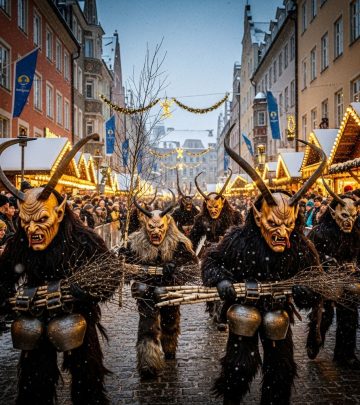
- Visit Christmas markets: Austria’s festive Advent markets earn worldwide acclaim; Vienna, Salzburg, and Innsbruck all host legendary seasonal events.
Food and Drink: What to Try
- Wiener Schnitzel: Veal (or pork) breaded and fried to golden crispness.
- Apfelstrudel: Flaky pastry filled with spiced apples and raisins.
- Sacher Torte: Decadent chocolate cake layered with apricot jam.
- Kaiserschmarrn: Torn pancake dessert dusted with powdered sugar.
- Knödel: Savory or sweet dumplings, often served with meats or fruits.
- Heuriger wine: Fresh, young Viennese wine served in traditional taverns.
- Coffee: Café culture is serious in Austria – try a Melange (similar to a cappuccino) or Einspänner (coffee topped with whipped cream).
Staying Safe and Healthy
- Austria is rated as one of Europe’s safest countries. Violent crime is extremely rare; the most common issues are petty theft or pickpocketing in crowded tourist areas.
- Emergency services number: 112. Police: 133. Ambulance: 144.
- Tap water is not only safe but also delicious. Refillable bottles are recommended.
- Take out comprehensive travel insurance that covers health, accidents, theft, and winter sports if applicable.
- If hiking or skiing, follow signage and safety guidelines, prepare for rapidly changing weather, and ensure your mobile phone is charged.
Useful Apps and Online Resources
- ÖBB: For train info, booking, and timetables.
- WienMobil: Vienna’s urban transport app covering metro, bus, and tram.
- Google Maps and CityMapper: For navigation and walking directions.
- GetYourGuide and Viator: Book tours, entry tickets, and day trips in advance.
- FlixBus: Long-distance bus tickets for Austria and beyond.
Diverse Accommodation Options
- Hotels: Range from luxury five-star properties to independent boutique stays and international chains.
- Pensions: Family-run guesthouses offering authentic hospitality and breakfast.
- Hostels: Inexpensive options for solo or budget travelers, available in major cities and resort towns.
- Apartment Rentals: Ideal for families or longer stays, with plentiful options on booking sites.
- Mountain Huts: Popular with hikers and skiers in alpine regions, providing rustic comfort and camaraderie.
Frequently Asked Questions (FAQs)
Do I need to speak German to travel in Austria?
No, English is widely understood in cities, hotels, and tourist attractions. Learning a few polite German phrases will endear you to locals and enhance your experience.
Is Austria expensive?
Austria is considered mid-to-high range for travel expenses, especially in cities and ski resorts. Smart use of public transport, discounted museum entries, and local eateries can help manage costs.
What is the tipping culture in Austria?
It’s customary to round up bills or tip about 5-10% in restaurants, even though service is typically included. Small change or rounding up is appreciated for taxis and hotel staff.
Are credit cards accepted everywhere?
Most hotels, restaurants, and shops accept cards, but some smaller venues, markets, and rural businesses may prefer cash. Carrying a small amount of Euros is prudent.
Is public transportation reliable?
Austria’s public transportation is efficient, clean, punctual, and well-connected—ideal for traveling between and within cities or exploring the countryside.
Can I drink the tap water?
Absolutely. Austrian tap water comes fresh from mountain springs and is safe and delicious to drink everywhere.
When are Austria’s main festivals?
Austria’s major events include Vienna Ball Season (January–March), Salzburg Festival (July–August), Christmas Markets (late-November–December), and numerous regional harvest and wine celebrations in autumn.
Top Insider Tips Before You Travel
- Tap Water: Don’t pay for bottled water – Austria’s tap water is among the world’s purest.
- Public Restrooms: Often require a small fee (coins). Carry spare change.
- City Cards: Purchase a city card (e.g., Vienna Card, Salzburg Card) for free or discounted entry to attractions and public transport.
- Respect Quiet Hours: Many residential areas enforce quiet hours (often 10pm–7am). Keep noise to a minimum, especially in apartments or guesthouses.
- Reusable Shopping Bags: Supermarkets may charge for plastic bags. Bring your own to avoid fees and help the environment.
Final Word: Enjoy Your Austrian Adventure
Immerse yourself in Austria’s remarkable blend of culture, nature, and tradition. Whether you’re savoring apple strudel in a Viennese coffee house, hiking alpine meadows, or admiring Baroque art, you’ll find the country endlessly fascinating and welcoming—provided you know just a little about its customs and quirks before you go.