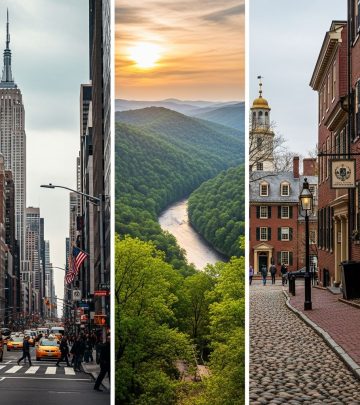
The 10 Most Beautiful Towns in Canada to Visit
Explore ten of Canada’s most picturesque small towns, each with dazzling scenery, rich heritage, and unforgettable character.

Canada’s vast landscapes are peppered with an array of charming small towns, offering not only immense natural beauty but also thriving local cultures, historic roots, and unique atmospheres. From the rugged coasts of the Atlantic to the jagged peaks of the Rockies, each town listed below is distinctively Canadian, promising unforgettable scenery and hospitality. Here, we journey through the country’s most beautiful towns and what makes each of them a must-see destination.
1. Niagara-on-the-Lake, Ontario
Niagara-on-the-Lake is a town where history, wine, and stunning landscapes converge by the shores of Lake Ontario. Considered by many as one of the prettiest small towns in Canada, its beautifully restored 19th-century buildings, flower-lined streets, and lush vineyards create a dreamlike setting. The town played a prominent role during the War of 1812, and its streets retain echoes of its heritage, adding an air of timelessness to every stroll.
- Main attractions: Shaw Festival Theatre, Fort George National Historic Site, Niagara Parkway
- Notable for: Renowned wineries and wine tours, especially for icewine
- Best time to visit: Late spring to fall, when flower displays are in full bloom
With horse-drawn carriages, boutique inns, and elegant tea rooms, Niagara-on-the-Lake offers a romantic and nostalgic escape. Don’t miss the panoramic sunset views over Lake Ontario and the surrounding vineyards.
2. Banff, Alberta
Nestled in the heart of the Canadian Rockies, Banff is a gateway to breathtaking wilderness and outdoor adventure. The town itself is encircled by snow-capped peaks and the turquoise waters of Lake Louise and Moraine Lake, attracting visitors year-round for hiking, skiing, and mountain sightseeing. Banff Avenue, lined with rustic alpine-style buildings and lively shops, is always buzzing during the high seasons.
- Main attractions: Banff National Park, Sulphur Mountain Gondola, Bow Falls
- Notable for: World-class hiking, skiing, and wildlife spotting
- Atmosphere: Vibrant, outdoorsy, and welcoming to travelers from all over the world
Banff strikes an immaculate balance between rugged nature and cosmopolitan comforts. The experience is enhanced by scenic hot springs, abundant wildlife, and a lively arts scene inspired by the mountains.
3. Lunenburg, Nova Scotia
Lunenburg is a UNESCO World Heritage site celebrated for its colorful wooden buildings and shipbuilding legacy. Established in 1753, the town’s waterfront and old town core are a delight to explore, brimming with maritime charm and history. The iconic brightly painted houses, reflected in the calm harbor, create a picture-perfect scene emblematic of the Atlantic coast.
- Main attractions: Fisheries Museum of the Atlantic, Bluenose II schooner, Old Town Walking Tours
- Cultural features: Strong German and British heritage, seafood-centric cuisine
- Best time to visit: Summer and early fall, when maritime festivals and lobster feasts abound
With a lively arts community and festivals celebrating music and the sea, Lunenburg captures the spirit of Canada’s seafaring history while remaining a vibrant cultural hub.
4. Tofino, British Columbia
Sitting at the rugged edge of Vancouver Island, Tofino is renowned for its unruly Pacific surf, pristine beaches, and awe-inspiring rainforest. A favorite among surfers, kayakers, and nature lovers, the town channels a laid-back, creative energy. Tofino is also an epicenter for eco-tourism and whale watching, with the surrounding Clayoquot Sound offering spectacular scenery and wildlife.
- Main attractions: Long Beach, Pacific Rim National Park Reserve, Hot Springs Cove
- Notable for: Surf culture, Indigenous art, sustainable seafood
- Vibe: Chill, close-knit, deeply connected to nature
Whether storm-watching in winter or basking in a summer sunset, Tofino provides a sense of untamed beauty that’s hard to leave behind.
5. Quebec City, Quebec
Although a city, the old town of Quebec City captures the essence of a small European village with cobbled streets, stone walls, and intact fortifications. As one of North America’s oldest settlements, founded in 1608, its French-Canadian heritage is evident everywhere—from the language and fine cuisine to the historic architecture. The extraordinary Château Frontenac dominates the skyline, and centuries-old churches, charming boutiques, and festive squares make every walk a journey back in time.
- Main attractions: Old Quebec, Château Frontenac, Place Royale, Citadelle of Quebec
- Culture: French-speaking, vibrant festivals, artistic flair
- Best time to visit: Winter Carnival season or summer, when outdoor patios come alive
The city’s blend of romance, history, and cosmopolitan verve has few rivals in North America.
6. Churchill, Manitoba
Churchill stands alone as Canada’s wildlife capital, famed globally for its polar bear population and dramatic Hudson Bay setting. This northern outpost offers visitors some of the greatest natural spectacles, including summer beluga whale migrations and brilliant displays of the aurora borealis. Despite its remoteness, the sense of community is palpable, and visitors relish the town’s rugged, untamed wildness.
- Main attractions: Polar bear and beluga whale tours, Prince of Wales Fort
- Nature highlights: Northern lights viewing, subarctic ecology
- Special features: Rich Indigenous and fur trading history
Churchill’s unique mix of culture, history, and rare wildlife makes it an essential stop for adventurous spirits.
7. Whistler, British Columbia
Whistler is synonymous with alpine adventure. As one of the world’s top ski destinations, the town is bustling in winter, but it’s equally popular for summer retreats, offering mountain biking, hiking, and vibrant village life. The pedestrian-only village boasts lively patios, high-end shops, and a contagious, festive atmosphere year-round.
- Main attractions: Whistler Blackcomb, Peak 2 Peak Gondola, Whistler Village
- Seasonal activities: Skiing, snowboarding, mountain biking, festivals
- Atmosphere: Fun-loving, cosmopolitan, and welcoming
Surrounded by striking mountain panoramas and lush forests, Whistler offers endless opportunities for adventure and relaxation.
8. St. Andrews by-the-Sea, New Brunswick
With its British colonial splendor and panoramic sea views, St. Andrews by-the-Sea encapsulates life on Canada’s Atlantic coast. This charming town is perfect for meandering among heritage homes, exploring iconic gardens, and experiencing the Bay of Fundy’s rich marine life. Whale-watching, kayaking, and coastal hikes are part of the town’s outdoor allure, complemented by a thriving culinary scene.
- Main attractions: Kingsbrae Garden, Minister’s Island, Historic Algonquin Resort
- Notable for: Heritage architecture, gracious B&Bs, summer festivals
- Vibe: Restful, historic, and family-friendly
The hospitality and scenery here exemplify the laid-back allure of Canada’s maritime provinces.
9. Fernie, British Columbia
Fernie is an outdoor enthusiast’s fantasy, set in the heart of the Canadian Rockies. Surrounded by dramatic mountains and traced by the icy Elk River, its wild setting makes it a premier destination for skiing, mountain biking, fly-fishing, and hiking. Despite increasing popularity, Fernie has preserved its low-key charm, with its leafy streets and heritage brick and wooden houses providing a picturesque backdrop to everyday adventures.
- Main attractions: Fernie Alpine Resort, Elk River, Historic Downtown Fernie
- Outdoor highlights: Skiing in winter, trail biking and rafting in summer
- Atmosphere: Thriving arts community and welcoming locals
Fernie’s robust sense of community and easy access to nature lure back visitors year after year.
10. Jasper, Alberta
Jasper is the heart of Jasper National Park, a vast wilderness wonderland home to turquoise lakes, glacier-fed rivers, and wildlife ranging from elk to grizzly bears. The compact downtown bustles with the energy of travelers and adventure seekers, serving as a launchpad for year-round exploration—from hiking and biking in summer to skiing and ice-climbing when the snow falls.
- Main attractions: Jasper National Park, Maligne Lake, Icefields Parkway
- Wildlife highlights: Frequent sightings of bears, moose, and bighorn sheep
- Special features: Dark-sky preserve perfect for stargazing
Jasper’s spirited yet tranquil vibe makes it one of Canada’s purest examples of mountain town life.
Table: At-A-Glance – Canada’s Most Beautiful Towns
| Town | Province | Scenic Feature | Signature Experience |
|---|---|---|---|
| Niagara-on-the-Lake | Ontario | Lake & Vineyards | Wine Tasting, Theatre |
| Banff | Alberta | Rocky Mountains | Skiing, Hiking, Hot Springs |
| Lunenburg | Nova Scotia | Colorful Harbourfront | Maritime History, Seafood |
| Tofino | British Columbia | Pacific Ocean & Rainforest | Surfing, Whale Watching |
| Quebec City | Quebec | Old Town & Fortifications | Historic Tours, Cuisine |
| Churchill | Manitoba | Tundra & Hudson Bay | Polar Bears, Northern Lights |
| Whistler | British Columbia | Alpine Peaks | Skiing, Adventure Sports |
| St. Andrews by-the-Sea | New Brunswick | Seaside & Gardens | Whale Watching, Heritage Tours |
| Fernie | British Columbia | Mountain Valley | Outdoor Adventures, Arts |
| Jasper | Alberta | National Park & Lakes | Wildlife Viewing, Stargazing |
Travel Tips for Exploring Canada’s Small Towns
- Plan your visit to coincide with festivals or events for an authentic taste of local culture.
- Pack layers—even in summer—as mountain and coastal weather can change rapidly.
- Respect local wildlife and protected environments; follow Leave No Trace principles.
- Try locally produced foods and beverages; many towns pride themselves on their culinary offerings.
- Seek out guided tours for deeper historical and ecological insights.
Frequently Asked Questions (FAQs)
What is the best time of year to visit Canada’s small towns?
Late spring through early autumn (May to October) generally offers the most pleasant weather and highest number of festivals, while winter brings world-class skiing and unique holiday charm in many mountainous areas.
Are these towns family-friendly?
Yes. Most of the towns listed have a strong family-friendly atmosphere, with safe streets, outdoor activities, and numerous historical and educational attractions for all ages.
How accessible are these towns?
Many small towns have nearby regional airports or are reachable by road from major cities. Some, like Churchill, Manitoba, may require flights or trains due to their remote locations. Always check local access and transport options before planning a trip.
Is French widely spoken outside Quebec City?
French is predominantly spoken in Quebec City and throughout Quebec province. In other towns, English is commonly spoken, but you may also hear local Indigenous and immigrant languages.
Are there unique souvenirs to buy in these towns?
Absolutely. Look for artisanal crafts, regional foods and wines, handmade jewelry, and indigenous artwork to remember your trip by.
Final Thoughts: Why Canada’s Towns Stand Out
The diversity and beauty of Canada’s landscapes shine brightest in its small towns. Whether you are drawn by the serene lakeshores of Niagara-on-the-Lake, the alpine adventures of Banff and Whistler, the maritime magic of Lunenburg, or the wild frontiers of Churchill and Jasper, each destination promises both unparalleled scenery and a warm Canadian welcome. Exploring these places provides a deeper glimpse into the soul of Canada beyond its urban centers—where heritage, community, and nature blend to unforgettable effect.