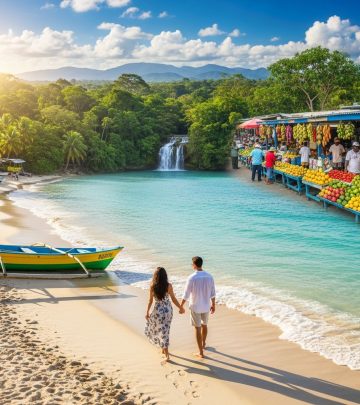
Kos Island: Sun, History & Adventure in the Dodecanese
Uncover the ancient wonders, vibrant beaches, and authentic lifestyle of Kos, the all-encompassing Greek island in the Dodecanese.

Kos Island: Your Gateway to the Dodecanese
Kos, the third-largest island in Greece’s Dodecanese chain, is a mosaic of silky beaches, ancient ruins, lively resort towns, and timeless Greek culture. Situated just off the Turkish coast, Kos harmoniously blends vibrant seaside life with mountain wilderness, making it an ideal destination for everyone from families and adventure-seekers to history enthusiasts and sun chasers.
Whether you’re lured by golden sands or millennia-old columns, Kos delivers with its compact yet diverse landscape, making island exploration easy and rewarding.
In this guide, you’ll find essential travel insights, detailed tips on where to go and what to do, and a comprehensive look at Kos’s main attractions, villages, local cuisine, and practical advice for your next Greek island adventure.
Why Visit Kos?
- Sun-Soaked Beaches: Miles of soft sand, crystalline waters, and hidden coves cater to relaxation and watersports alike.
- Ancient History: Ruins from Greek, Roman and medieval times tell Kos’s rich story as the birthplace of Hippocrates.
- Cultural Blend: Charming towns, authentic villages, and friendly locals invite you to experience Greek hospitality.
- Easy Exploration: The island’s compact size (about 42km by 11km) puts beaches, mountains, and towns all within easy reach.
When to Go: Kos Through the Seasons
Kos enjoys a classic Mediterranean climate, providing lovely conditions from spring through autumn. Understanding when to visit can shape your experience:
- High Season (June–August): Warm, sunny, and bustling. Beaches are lively, and nightlife is at its peak.
- Shoulder Season (May, September–October): Pleasant temperatures, fewer crowds, and prime swimming conditions. Perfect for exploring, hiking, and enjoying local life.
- Low Season (November–April): Kos Town remains active, but beach resorts wind down. Cooler, peaceful, and authentic.
The Highlights: Top Attractions and Experiences
- Beaches: Find your favorite among Kos’s famous sandy stretches, pebbly coves, and resort-backed strips.
- Kos Town: Wander ancient ruins, visit museums, and enjoy the harbor’s vibrant atmosphere.
- Ancient Asklepieion: Discover the world’s first hospital, a sanctuary dedicated to the god of healing.
- Mountain Villages: Escape to pine-shaded hamlets for authentic Greek food, hiking, and panoramic views.
- Local Cuisine: Savor the flavors of Kos in traditional tavernas, cafes, and vineyards.
Exploring Kos: Beaches, Villages & Nature
Idyllic Beaches
Many visitors head first for Kos’s beaches, and for good reason. The choices range from lively resort strips to wild, nature-filled coves.
- Kefalos Bay Area: A long strip broken into beach segments (Kamari, Exotic, Agios Stefanos, Camel, Paradise, Banana, Markos, Sunny, Magic) with peacock-blue water and easy access to beachside facilities.
- Agios Theologos Beach: Far west, remote and backed by dunes and olive groves. Ideal for seclusion and natural beauty.
- Mastihari: North coast, old-school resort with powder-fine sand, tamarisk trees, and plenty of waterfront tavernas.
- Tigaki Beach: Located approximately 10km from Kos Town, this is a family-friendly spot with shallow waters and a saltwater lagoon that attracts migratory birds.
Beaches are generally well-marked and easy to access. Many offer loungers, cafes, and watersports, while more isolated stretches provide peace and raw beauty.
Village Life & Island Towns
- Kos Town: The island’s vibrant capital surrounds a picturesque harbor dotted with cafes and historic boats. Ancient ruins intermingle with shops and lively alleyways. Key landmarks include:
- Castle of the Knights: This 15th-century fortress (Knights of St John) stands sentry over the harbor and town. Sections may be closed for restoration.
- Ancient Agora: Once Kos’s civic center. Explore the remains of the Shrine of Aphrodite, the Temple of Hercules, and a columned stoa.
- Archaeological Museum: Notable for Italian-era architecture and Hellenistic/Roman statues—including Hippocrates himself.
- Dimotiki Agora (Municipal Market): Located at Plateia Eleftherias. Sample and buy local honey, olive oil, and crafts.
- Mastihari: Charming beach town, minimal historical architecture but great for a day or week of laid-back seaside living. Renowned for friendly tavernas (try the seafood at Makis Restaurant).
- Kardamena: South coast hub, famous for package holiday resorts but lively and perfect for watersports and nightlife.
- Zia & Dikeos Mountains: Pine-covered mountain villages offer panoramic views, excellent hiking, and authentic cuisine. Popular for sunset watching and escaping the summer heat.
Natural Wonders & Outdoor Activities
- Dikeos Mountain: The island’s backbone, with peaks nearly 850m high. Perfect for hiking, biking, and nature-spotting.
- Sightseeing by Bike or Bus: Kos’s size makes it ideal for exploring by car, local bus, or bicycle. Many inland paths reveal lush valleys and wildflowers among ancient ruins.
- Sailing & Island Hopping: Kos’s active harbors make it an excellent starting point for exploring the Dodecanese archipelago.
History & Heritage: Where the Past Comes Alive
Ancient Roots
- Asklepieion: Kos’s most storied ancient site, this sanctuary devoted to Asclepius (god of healing) was a medical center and school—possibly founded on Hippocrates’ teachings. Its terraced ruins feature temples, Roman-era bathhouses, and guesthouses. Climb to higher tiers for views across the sea toward Türkiye. A small museum displays ancient inscriptions.
- Kos Town’s Ancient Agora: Explore an atmospheric area where daily life once mingled with religion and politics.
From Hippocrates to the Knights
- Hippocrates: Born here, the “father of medicine” is immortalized in statues and local lore. The famed Hippocrates’ Plane Tree is said to stand where he taught students.
- Castle of the Knights (Knights of St John): Marvel at medieval battlements and remnants of fortifications facing the harbor.
- Early Christian Basilicas: Scattered throughout Kos and visible amid the ruins, offering insight into later historical eras.
Food & Drink: Savoring Kos
Kos’s culinary scene is a fusion of traditional flavors and regional ingredients. Be sure to taste:
- Local Honey: Widely produced; sample at markets or village stalls.
- Fresh Seafood: Mastihari and Kardamena’s waterfront tavernas are renowned for daily catches.
- Traditional Greek Pastries: Look for loukoumades (honey-drenched dough balls) and baklava.
- Cheese & Yogurt: Dairy is a local pride, often highlighted at breakfast buffets or market stalls.
- Wines & Spirits: Many island wineries offer tastings and tours; sample local vintages and grape brandy.
Most villages and resort towns feature waterfront or mountain-view tavernas offering Mediterranean dishes with fresh island produce.
Getting Around Kos
- By Car: Renting a car makes it easy to explore Kos’s scenic byways and remote beaches on your own schedule.
- By Bus: A regular network links major towns, beach resorts, and some inland villages.
- By Bicycle: Flat coastal roads and dedicated bike paths (especially near Kos Town) encourage cycle exploration.
- On Foot: Kos Town is easy to navigate; archaeological sites and mountain villages are best explored with walking shoes.
Kos Airport is found near the central south coast, connecting the island by direct flights to Athens and many European destinations in summer.
Accommodation: Where to Stay on Kos
- Hotels: Options range from luxury beachfront resorts (particularly in Kardamena and Lambi) to budget family-run pensions and boutique hotels in Kos Town.
- Holiday Villas & Homes: Self-catered rentals are available across the island, ideal for groups and families.
- All-Inclusive Packages: Many beach resorts offer full-board packages and organized activities, catering to families and groups.
Trip Planning Tips
- Pack for the Sun: Lightweight clothing and sun protection are musts, especially for the high season.
- Book Early: High-season travel requires advance reservations, especially for popular hotels and beach resorts.
- Local Etiquette: Greeks value courtesy and conversation. Learn a few basic phrases in Greek to enhance your stay.
- Map & Navigation: Carry a digital or printed map; Kos’s small towns and villages are best explored on foot.
Useful Table: Kos Main Destinations
| Destination | Highlights | Best For |
|---|---|---|
| Kos Town | Ancient ruins, harbor, castle, markets | Cultural explorations, nightlife |
| Kefalos Bay | Lively beaches, swimming, watersports | Families, sun-seekers |
| Mastihari | Old village charm, seafood tavernas | Relaxation, authentic eats |
| Kardamena | Resort area, nightlife, watersports | Partygoers, active travelers |
| Zia/Dikeos Mountains | Panoramic views, hiking trails | Nature lovers, photographers |
Frequently Asked Questions (FAQs)
Q: What is the best way to get around Kos?
A: Kos is easy to explore by rental car, local bus networks, or bicycle. Towns and main beaches are well-connected, while mountain villages may require a car or taxi.
Q: Which beaches are ideal for families?
A: Tigaki and Mastihari beaches offer shallow, calm waters and nearby amenities, perfect for families with children.
Q: Is Kos suitable for off-season travel?
A: Yes. Kos Town remains lively year-round, though many beach resorts reduce operations between November and April. Off-season visits offer peace and authentic local life.
Q: Are there historical sites worth visiting outside Kos Town?
A: Absolutely. Asklepieion (outside Kos Town) is the island’s most significant ancient site. Explore also mountain villages with old churches and ruins, and nearby archaeological sites.
Q: What should I eat in Kos?
A: Don’t miss local honey, grilled seafood, Greek pies, and wines from island vineyards. Tavernas in Mastihari and mountain villages are highly recommended.
Conclusion: Kos Awaits
Kos’s blend of beach bliss, ancient heritage, lively towns, and authentic cuisine creates a multifaceted island experience. Whether you’re seeking days in the sun, hikes in pine forests, or quiet moments among ruins, Kos welcomes every traveler with open arms and enduring charm in the heart of the Dodecanese.