First-Time Traveler’s Guide to Nicaragua: Lakes, Volcanoes, and Unspoiled Wonder
Discover Nicaragua’s volcanic landscapes, historic towns, stunning beaches, and Caribbean islands in a thorough first-time guide.

First-Time Traveler’s Guide to Nicaragua
Nicaragua, the largest country in Central America and known as the land of lakes and volcanoes, remains one of the region’s most untouched destinations. With its vibrant Spanish-colonial cities, spectacular volcanic landscapes, serene lakes, pristine beaches, and off-the-beaten-track Caribbean islands, Nicaragua promises adventure and relaxation for every kind of traveler.
Why Visit Nicaragua?
- Diverse landscapes: Lakes, volcanoes, rainforests, and beaches.
- Rich culture: Colonial architecture, artisan communities, and lively festivals.
- Adventure: Surfing, volcano boarding, hiking, scuba diving, and wildlife encounters.
- Affordability: Relatively less expensive than neighboring Costa Rica, with a more authentic, undeveloped feel.
When Should You Go to Nicaragua?
Nicaragua’s subtropical climate makes it a year-round destination. There are two main seasons:
- Hot and Dry Season: November to May. Peak travel times are Christmas, New Year, and Easter, when locals and tourists crowd beaches and towns for vibrant religious festivals.
- Hot and Wet Season (Green Season): June to October. Rains come as brief, dramatic afternoon bursts; September and October are the wettest months, but even then, sunny mornings are common.
For the best combination of weather and affordability, visit in the shoulder months between these two seasons.
Top Things to Do in Nicaragua
1. Peer Into a Volcanic Crater in Granada
Granada, one of Central America’s oldest cities, enchants visitors with its postcard plazas, pastel churches, and colorful colonial streets. Here, community and culture run deep—locals drag rocking chairs onto cobbled walkways to socialize and soak in the atmosphere.
- Masaya Volcano: An active crater with bubbling orange lava, best viewed at night.
- Mombacho Volcano: Offers cloud forest trails, panoramic ziplines, and spectacular views of the city.
- Laguna de Apoyo: A serene crater lake ideal for swimming, kayaking, and relaxing.
- Isletas de Granada: Kayak among hundreds of volcanic islands or stay overnight on a secluded isleta.
- Artisan Villages: Explore Masaya and the Pueblos Blancos for traditional crafts.
- Cultural Musts: Visit Convento y Museo San Francisco for colonial history and museums featuring indigenous artifacts.
2. Ride the Pacific Rollers
Nicaragua’s Pacific coast draws surfers for its wild beaches and world-class waves. The region is famed for its laid-back lifestyle and easy access to both beginner and advanced surf breaks.
- San Juan del Sur: A legendary surf and party town, famous for the Sunday Funday Pool Crawl. Though nightlife thrives, serious surfers head elsewhere for the best waves.
- Playa Maderas: 20 minutes north of San Juan, prized for its consistent beach break.
- Playa Remanso: 15 minutes south, ideal for novices and mellow sessions.
- Popoyo: Renowned for reliable swells, surf schools, and rentals for riders of every skill level.
- Las Peñitas: A relaxed beach close to León, also offers access to mangrove estuaries and Isla Juan Venado nature reserve for birdwatching and turtle nesting.
Whether you’re a seasoned surfer or curious beginner, Nicaragua’s Pacific beaches offer both thrill and tranquility.
3. Surf Down an Active Volcano
Adrenaline seekers should not miss volcano boarding at Cerro Negro. This young, active volcano outside León allows thrill-seekers to ascend the black ash slopes and race down on specially-designed boards at speeds up to 100kph.
- Cerro Negro: Experience a true “lava surf” down gritty volcanic ash.
- Léon: Nicaragua’s northern colonial capital, home to the largest cathedral in Central America. The city buzzes with energy, mixing university culture, contemporary art museums like Fundación Ortiz-Gurdián, and striking street murals with a rich history tied to revolution and poetry.
Beyond volcanoes, León offers rooftop vistas of the volcanic Maribios chain and day trips to Las Peñitas for more surfing and nature reserves.
4. Kick Back in the Caribbean
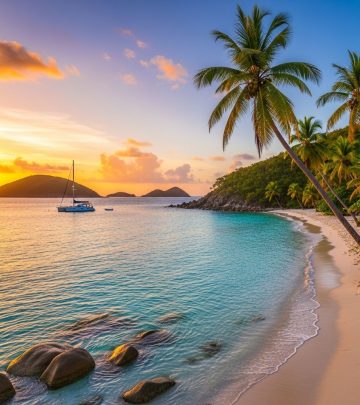
Far from the mainland, the Corn Islands capture the Caribbean spirit at a fraction of the usual cost. Nestled 70km off the coast, the islands offer palm-fringed white sand, turquoise waters, and a laid-back rhythm.
- Little Corn Island: Reachable via a quick flight from Managua and a boat ride from Great Corn, this car-free gem promises snorkeling, scuba diving on pristine reefs, hammock lounging at sunset, and barefoot, beachfront dining to a reggae soundtrack.
- Great Corn Island: Larger and more developed, still exudes an easygoing vibe perfect for lazy beach days.
Nicaragua’s Caribbean side charms visitors with tranquility, affordability, and fresh seafood.
5. Enjoy Volcanic Island Life on Isla de Ometepe
Isla de Ometepe rises dramatically from Lake Nicaragua’s surface. Formed by twin volcanoes—dormant Volcán Maderas and active Volcán Concepción—Ometepe offers hiking, wildlife, ancient petroglyphs, and immersive rural tourism.
- Challenging Climbs: Ascend Concepción’s rocky slopes or take a cloud forest hike to the San Ramón waterfall on Maderas.
- Kayaking: Paddle the lush Istián River to spot wildlife.
- Reserva Charco Verde: Howler monkey and bird watching amidst tranquil greenery.
- Cultural Sites: Explore ancient Indigenous petroglyphs and join tours of local coffee or chocolate farms for farm-to-table experiences.
- Café Campestre: Savor organic, locally sourced fare in a scenic setting.
Ometepe blends adventure, ecology, and authentic Nicaraguan hospitality.
More Must-See Destinations
- Managua: Nicaragua’s bustling capital. Visit the Museo Arqueológico Huellas de Acahualinca for prehistoric footprints and the Antigua Catedral for architectural interest.
- León: See inspiring murals, visit Iglesia de la Recolección, and explore its energetic student culture.
- Masaya: Browse famous markets, meet local artisans, and witness the fiery spectacle of Volcán Masaya.
- Reserva Natural Volcán Mombacho: Hike in a unique cloud forest reserve near Granada and enjoy coffee haciendas and panoramic vistas.
Nicaragua Travel Practicalities
Visas and Entry
Most travelers from North America, Europe, and Australia do not need a visa for stays up to 90 days. Ensure your passport is valid for at least six months beyond your stay and check entry requirements before traveling.
Safety Tips
- Political protests can erupt in cities like León and Masaya; avoid large gatherings and monitor local news.
- Granada and León remain largely peaceful for tourists, though some businesses might be closed due to past unrest.
- Standard precautions suffice—watch belongings, avoid walking alone at night, and confirm local advice before remotely venturing.
Getting Around
- Buses: Inexpensive and well-connected between major towns, though comfort varies.
- Rental Cars: Ideal for exploring Pacific beaches, volcanoes, and rural areas.
- Ferries: Cross Lake Nicaragua to Isla de Ometepe.
- Domestic Flights: Reach the Corn Islands quickly from Managua.
Accommodation
- Options range from budget hostels and boutique hotels to eco-lodges and luxury resorts.
- Find deals in cities like Granada or León, especially post-unrest, where many properties offer competitive rates.
Food & Drink
- Gourmet local produce: Nicaragua’s fertile lands yield excellent coffee, cacao, and tropical fruit.
- Signature dishes: Try gallo pinto (rice and beans), fresh seafood, and organic farm-to-fork fare.
- Drinks: Indulge in quality Nicaraguan rum or sample world-class organic coffee in café culture hotspots.
Frequently Asked Questions (FAQs)
Q: Do I need a visa for Nicaragua?
A: Most travelers from North America, Europe, and Australia can enter Nicaragua visa-free for up to 90 days. Check your country’s requirements before arrival.
Q: When is the best time to visit Nicaragua?
A: The dry season (November to May) offers the sunniest weather, but the green season (June to October) is lush and less crowded. Expect the most rain in September and October.
Q: How safe is Nicaragua for travelers?
A: Nicaragua is generally safe for tourists. Exercise caution in cities that have experienced unrest, avoid demonstrations, and use common sense security measures.
Q: What is volcano boarding?
A: Volcano boarding is a thrilling activity at Cerro Negro, where you ascend the slopes and descend on a board, reaching speeds up to 100km/h.
Q: Which places should I not miss?
- Granada for colonial beauty and volcanoes
- San Juan del Sur and Popoyo for surfing
- León for volcano boarding and art
- Corn Islands for Caribbean escape
- Isla de Ometepe for volcanic island adventure
Nicaragua at a Glance
| Destination | Main Attraction | Activity Type |
|---|---|---|
| Granada | Masaya & Mombacho Volcanos | Cultural/Outdoor |
| San Juan del Sur | Pacific Beaches | Surfing/Party |
| León | Cerro Negro Volcano | Volcano Boarding/Art |
| Corn Islands | White Sands, Coral Reefs | Caribbean Relaxation/Scuba |
| Isla de Ometepe | Twin Volcanoes | Hiking/Wildlife |
Expert Tips for First-Timers
- Pack for both heat and rain: Lightweight, breathable clothes plus a compact rain jacket.
- Learn basic Spanish: Locals appreciate any effort to communicate in their language.
- Respect nature: Stick to marked trails when hiking volcanoes or cloud forests.
- Embrace the pace: Nicaragua runs on a slower, more relaxed clock—take time to connect and soak it in.
- Support local business: Shop at markets, stay in community-run lodges, and eat at local restaurants.
Conclusion
Whether you’re drawn by active volcanoes, colonial history, world-class surf, or the tranquil beauty of Caribbean islands, Nicaragua delivers adventure and hospitality at every turn. Its landscapes invite exploration, its cities pulse with creative energy, and its beaches and islands remain places of unhurried escape. For the first-time traveler, Nicaragua is Central America’s best-kept secret—waiting to be discovered.