A First-Time Visitor’s Guide to Palau: What to Know Before You Go
Uncover Palau's best times to visit, essential experiences, top attractions, and expert travel tips for your first adventure.

A First-Time Visitor’s Guide to Palau
Palau is an archipelago of lush, coral-fringed islands in the western Pacific, famous for untouched landscapes, thriving marine life, crystal-clear seas, and a commitment to conservation. This guide is designed to help first-time travelers get the most out of a journey to one of Micronesia’s dream destinations.
Where Is Palau?
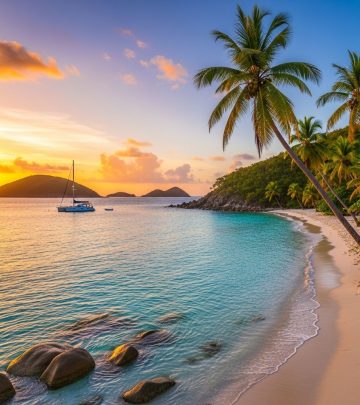
Palau, a nation of more than 340 islands, is situated in the western Pacific Ocean, east of the Philippines and north of Indonesia. The main population center is Koror, where most accommodations, dining, and tourist facilities are concentrated. The islands are a stunning mix of volcanic and limestone landscapes surrounded by vibrant coral reefs.
When Should I Go to Palau?
The climate in Palau is tropical, hot, and humid year-round, but there are clear seasonal patterns that affect travel plans.
- Dry Season (December – April): This is considered the best time to visit. You can expect warm, sunny days ideal for snorkeling, diving, and boat trips. This is peak tourism season, so book ahead and be prepared for higher rates, especially between December and February during the Western and Chinese New Year holidays.
- Wet Season (May – November): While rain is more frequent, travel remains possible since Palau rarely experiences typhoons. You’ll encounter fewer visitors and lower prices, but be prepared for some overcast days and the occasional downpour.
How Much Time Should I Spend in Palau?
- 2–3 Days: Enough for highlights—visit Koror’s museums to learn about Palauan culture, take a day trip to the celebrated Rock Islands, and finish with a trek to the dramatic Ngardmau Waterfall, the tallest in Micronesia at 217m.
- 4–7 Days or More: Extend your stay to experience multiple world-class dives, more remote islands, and off-the-beaten-path adventures. Consider a boat charter to Kayangel Atoll or the unspoiled Southwest Islands.
Top Things to Do in Palau
Enjoy the Unique Flora and Fauna
Palau is globally recognized for its leadership in marine conservation. In 2009, it established the world’s first shark sanctuary, and in 2017 it introduced the innovative Palau Pledge, requiring visitors to commit to environmental responsibility upon entry.
Palau’s ecosystems host:
- 17 species of sharks
- Over 1,300 reef fish species
- 500+ coral species
- 95% of Micronesian fish species
The majority of activities revolve around the water: snorkeling, diving, kayaking, and wildlife tours. Dive operators and snorkeling excursions are widely available out of Koror and will usually take you south to the Rock Islands, a UNESCO World Heritage Site famed for their limestone outcrops and turquoise lagoons.
Swim with the Jellyfish
One of Palau’s iconic experiences: swimming in Jellyfish Lake. Here, you can safely swim among millions of golden, stingless jellyfish—an evolution resulting from a lack of natural predators and a unique marine ecosystem. This activity leaves a lasting impression on travelers seeking an only-in-Palau kind of moment.
Explore Island History
Palau’s islands are not just natural wonders—they are also steeped in history. Reminders of the Japanese occupation during World War II are scattered throughout the archipelago, particularly on Peleliu. This remote island is covered in fire-scarred military relics, from tanks and artillery to bunkers slowly being reclaimed by the jungle. Ferries from Koror make it accessible for a day trip or overnight adventure.
Discover Waterfalls and Inland Treks
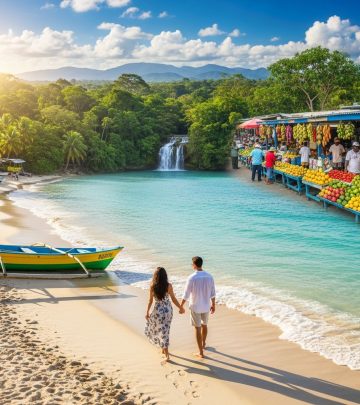
- Ngardmau Waterfall: At 217 meters, it’s the highest in Micronesia and can be reached by a rewarding jungle hike.
- Several other smaller falls and hidden pools can be found across Babeldaob, Palau’s largest island.
Enjoy Pristine Beaches and Solitude
Many islands, especially in the Rock Islands and Kayangel Atoll, are either uninhabited or host just a sprinkling of visitors, allowing you to live out your Robinson Crusoe fantasies on empty tropical shores.
Best Places to Visit in Palau
- Koror: Base camp for travelers; offers museums, restaurants, shopping, and is the gateway to all excursions.
- Rock Islands: Over 200 islets of limestone cliffs rising from turquoise waters. Snorkeling, kayaking, and beach picnics are a must.
- Jellyfish Lake: Swim with millions of stingless golden jellyfish in this marine lake (access occasionally closed for conservation—check with local operators).
- Peleliu: Island with WWII relics and untouched beaches, ideal for history buffs.
- Babeldaob: The largest island, home to villages, traditional bai meeting houses, stone monoliths, and waterfalls.
- Kayangel Atoll: Remote, pristine coral atoll, accessible by boat, offering superb snorkeling and solitude.
Where to Stay in Palau
- COVE Resort Palau: Waterfront hotel with the country’s largest lagoon pool, marina access, and adventure amenities.
- Palau Pacific Resort: Upscale beachfront resort famous for its private beach, luxury spa, overwater bungalows, and extensive facilities.
- Palau Central Hotel: Centrally located in Koror, this boutique hotel is close to nightlife, restaurants, and tour operators—ideal for urban explorers.
- Palau Carolines Resort: Traditional-style bungalows on a quiet hillside, built from local materials, with impressive ocean views.
- Palau Sunrise Seaview Landison Retreat: Modern comforts, hillside views, pool, and easy access to adventure.
- The Pristine Villas and Bungalows: Secluded luxury within the Palau Pacific Resort grounds, offering private pools and butler service for the ultimate indulgence.
Getting to Palau
Palau is connected to select Asian and Pacific hubs. Only a handful of airlines serve Palau International Airport (Roman Tmetuchl International Airport, airport code: ROR). Direct flights are available from Guam, the Philippines, and occasional charter connections from Australia; schedules fluctuate seasonally. Check current routes before planning your trip.
Palau’s Commitment to Conservation
Palau is a global leader in environmental stewardship. The Palau Pledge is a unique sustainability initiative: tourists must sign a passport pledge to act as stewards of the country’s natural resources during their stay. The commitment spans responsible tourism, protection of the ocean, wildlife preservation, and respect for local villages and customs.
Essential Travel Tips for Palau
- Entry requirements: Most visitors receive a 30-day visa upon arrival; check specific rules by nationality.
- Currency: The US Dollar ($) is the official currency.
- Connectivity: Wi-Fi and mobile coverage are available in main towns and resorts, but can be sporadic on outlying islands.
- Transportation: Taxis, hotel shuttles, and car rentals are the main modes of transport in Koror. Ferries and charter boats connect to outlying islands. There are no public buses.
- Health and Safety: Palau is a safe destination with high water safety standards. Tap water in Koror is generally safe but check at accommodations outside towns.
- Respect local customs: Modest dress is appreciated in villages; always ask before photographing local people or sacred sites.
- Diving safety: If you plan on flying after diving, observe a standard 24-hour surface interval.
- Plastic ban: Single-use plastics such as bags, bottles, and straws are banned—bring reusable alternatives.
Dining & Cuisine in Palau
Palauan cuisine blends influences from Asia, the Pacific, and the West. Expect fresh seafood, taro, fruit, and imported ingredients. In Koror, you’ll find:
- Local seafood grills and beach BBQs
- Japanese, Filipino, and Taiwanese restaurants
- Upscale resort dining with international menus
Don’t miss the chance to sample local delicacies such as tinola (fish soup), taro root dishes, and mangrove crab.
Culture & Local Experiences
Palau is a matrilineal society, and local traditions remain strong. Village visits, traditional architecture such as bai (meeting houses), and annual festivals offer unique insight into Palauan life. Handicrafts and storytelling are still central to the culture. Visitors are expected to respect elders and always seek permission before entering villages or sacred areas.
Sample Itineraries
| Days | Highlights |
|---|---|
| 3 Days | Koror museums, Jellyfish Lake, Rock Islands tour |
| 5 Days | Above, plus diving or snorkeling excursions and Ngardmau Waterfall trek |
| 7 Days+ | Explore Babeldaob by car, day-trip to Peleliu, scenic beaches, village visits, private atoll charter |
Frequently Asked Questions (FAQs)
Q: Can I visit Palau year-round?
A: Yes, Palau is a year-round destination thanks to its location outside the typhoon belt, but most travelers prefer the dry season from December to April for optimal weather and sea conditions.
Q: Is Palau suitable for families?
A: Palau is generally suitable for families, with resort amenities, snorkeling, gentle beaches, and guided tours catering to all ages. However, some dive sites are best left to experienced divers and older children.
Q: Are there direct flights to Palau?
A: Direct flights connect Palau with Guam, Taipei, Manila, and occasionally Australia. Flight options vary by season, so always check schedules in advance.
Q: Is Palau expensive?
A: Palau is mid- to high-range in terms of price, with few budget accommodation options. Activities like diving, boat tours, and atoll charters can be expensive, but the experience is unforgettable.
Q: What’s the ‘Palau Pledge’?
A: The Palau Pledge is a unique environmental pledge required for all visitors, promoting sustainable tourism and a responsibility to protect Palau’s natural and cultural heritage during your stay.
Travel Resources and Contacts
For up-to-date travel information, activity recommendations, and conservation updates, consult Palau’s official tourism website or local visitor centers in Koror. Responsible operators will brief you on regulations for conservation areas and the latest news on restricted sites such as Jellyfish Lake.