11 Essential Tips for First-Time Visitors to Ho Chi Minh City from Lonely Planet
Everything you need to know before visiting Ho Chi Minh City—from etiquette and safety to dining, transport, and cultural quirks.

Introduction
Ho Chi Minh City (HCMC), formerly known as Saigon, is Vietnam’s largest city and a frenetic, vibrant metropolis that captivates visitors with its energy, history, and street culture. But, as with any major world city, there are practical and cultural nuances every traveler should understand before arriving. This guide distills Lonely Planet’s expert advice into 11 essential topics, ensuring your trip is smooth, enjoyable, and safe—whether you’re visiting for business or leisure.
From navigating the city’s legendary traffic to understanding local customs, banking, health, and food safety, this article covers every major consideration for first-time travelers to Ho Chi Minh City.
1. Plan Your Trip Around the Lunar Calendar
Vietnam’s lunar calendar plays a significant role in daily life, especially during traditional festivals like Tet (Lunar New Year), Mid-Autumn Festival, and Quoc Khanh (National Day). Travelers should note:
- During Tet (usually late January to mid-February), millions of Vietnamese travel home, transport is overcrowded, and many businesses and attractions shut down for up to a week.
- Festivals can be a fantastic cultural experience, but expect higher prices for accommodation and transport during peak periods.
- If you prefer a quieter trip, avoid these major holidays or plan accordingly.
2. You Don’t Need to Carry Cash—But It Helps
The financial landscape in Vietnam is evolving:
- Cards (especially Visa and Mastercard) are accepted in hotels, upscale restaurants, and large stores, but many smaller businesses and street vendors still operate on cash.
- ATMs are widely available, but withdrawal fees can be high. Bring a debit/credit card with low foreign transaction fees.
- U.S. dollars are sometimes accepted, but it’s more convenient to use Vietnamese dong (VND) for everyday purchases.
- Mobile payment apps (like Momo and ZaloPay) are gaining traction, but international cards may not be compatible.
3. HCMC Is a Noisy Place—So Expect the Energy
The city pulses with energy—and noise is a part of daily life:
- Traffic, construction, street vendors, and public events mean the city is rarely quiet, even at night.
- Hotels in quieter, less central districts (District 2, District 3) are ideal for light sleepers.
- Earplugs or noise-cancelling headphones are a wise addition to your packing list.
4. Don’t Be Surprised to Have People in Your Personal Space
Vietnamese culture is generally more relaxed about personal space than in Western countries:
- Expect crowded buses, sidewalks, and markets, and be prepared for close proximity in queues and public transport.
- Don’t take it personally—this is simply part of local life, not rudeness.
- Politeness and a friendly demeanor will be appreciated.
5. Don’t Count Out the Rain
Ho Chi Minh City’s tropical climate means heavy, sudden showers are common:
- The rainy season runs from May to November, with short but intense downpours, while the dry season (December to April) is hotter and drier.
- Carry a compact umbrella or rain poncho—vendors sell them everywhere during rain showers.
- Flooding can occur in some areas during heavy rains, so check weather forecasts and consider waterproof footwear.
6. Be Vigilant About Food Safety Around Street Food
Ho Chi Minh City is famous for its street food, but travelers should take precautions:
- Eat at busy stalls—high turnover means fresher food, reducing the risk of foodborne illness.
- Avoid raw vegetables and uncooked herbs, especially outside upscale restaurants.
- Look for stalls with visible cleanliness standards, and bring basic stomach remedies (antidiarrheals, rehydration salts) just in case.
- Drink bottled or filtered water only—avoid tap water and ice from questionable sources.
7. Understand That Bargaining Is Expected
Shopping at markets is a cultural experience—and bargaining is expected:
- Start by offering about 50–60% of the asking price and be prepared to walk away if the vendor isn’t budging.
- Bargain politely and good-naturedly—don’t get aggressive.
- If you’re not interested in haggling, visit fixed-price shops or supermarkets.
8. Consider Bringing Some Basic Medications
Pharmacies are widespread, but it’s best to bring your own essentials:
- Pack remedies for stomach upset, headaches, allergies, antihistamines, and any prescription medications.
- Pharmacies can help with minor ailments, but language barriers and unfamiliar brands can complicate things.
- International clinics and hospitals are available, though travel insurance is highly recommended.
9. The Must-Visit Independence Palace Is Not Always Open
The Independence Palace (Reunification Palace) is a cornerstone of HCMC’s history, but be aware:
- The palace sometimes hosts government and diplomatic events, which can result in partial or full closures.
- Check the official website or local news before visiting to avoid disappointment.
- If it’s closed, consider the War Remnants Museum, Notre Dame Cathedral, or the Central Post Office as alternatives.
10. Understand the Unspoken Traffic Rules
Ho Chi Minh City’s chaotic traffic is legendary—but it follows an internal logic:
- Motorcyclists and drivers don’t always stop for traffic lights—especially during the “3-second rule”: cars often proceed through red lights for the first 3 seconds, and start moving before the light turns green.
- As a pedestrian, walk at a steady pace—don’t stop or dart suddenly. Drivers will flow around you.
- Consider ride-hailing apps (Grab, Gojek) for safe, affordable transport. Bicycles are a less chaotic alternative to scooters for street-level exploration.
- If you do rent a motorbike, ensure you have an International Driving Permit and comprehensive insurance.
11. Embrace the City’s Blend of Old and New
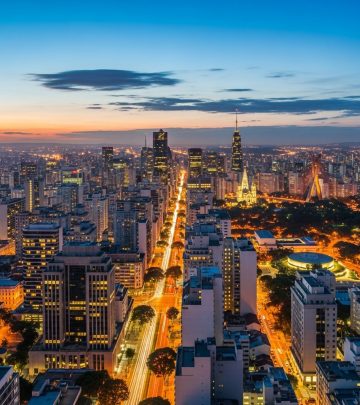
Ho Chi Minh City is a city of contrasts—where colonial history, rapid modernization, and Vietnamese tradition coexist:
- Explore French-era landmarks (Central Post Office, Notre Dame Basilica, Dong Khoi Street) alongside glittering skyscrapers and modern markets.
- Sample local food at District 5’s Chinatown (Cholon), or relax in green spaces like Tao Dan Park and the Botanical Gardens.
- Visit pagodas, museums, and art galleries for cultural context, but also embrace spontaneity—some of the city’s best experiences are unplanned.
FAQs: Common Questions from First-Time Visitors
What is the best time to visit Ho Chi Minh City?
The dry season (December to April) is ideal for sightseeing, but expect higher hotel prices. The rainy season (May to November) is quieter, but showers can be heavy and frequent. Festivals are exciting but crowded.
Is Ho Chi Minh City safe for tourists?
Violent crime is rare, but petty theft (pickpocketing, bag snatching) is a risk—stay alert in crowded areas, keep valuables secure, and avoid walking alone at night in unfamiliar neighborhoods.
Do I need a visa to visit Ho Chi Minh City?
Many nationalities receive a 15-day visa exemption. Check Vietnam’s official immigration website for your country’s status and apply for an e-visa if required.
What should I wear in Ho Chi Minh City?
Light, breathable clothing is best. For temples, cover shoulders and knees. Comfortable walking shoes are a must.
Can I get by with English in Ho Chi Minh City?
English is spoken in tourist areas, hotels, and restaurants, but learning a few Vietnamese phrases (hello, thank you, numbers) is appreciated and helpful for taxis and markets.
Is tap water safe to drink?
No—stick to bottled or filtered water. Avoid ice in drinks from street stalls unless you know it’s safe.
How do I cross the street safely?
Walk slowly and predictably across streets with a raised hand—drivers will flow around you. Avoid sudden movements.
Summary Table: Main Travel Considerations in Ho Chi Minh City
| Consideration | Tip | Reason |
|---|---|---|
| Weather | Carry an umbrella/poncho | Sudden tropical showers |
| Traffic | Use ride-hail apps, walk steadily | Chaotic streets, unique rules |
| Food Safety | Choose busy stalls, avoid tap water | Prevent stomach issues |
| Money | Carry some cash, use ATMs | Many small vendors don’t accept cards |
| Cultural Etiquette | Bargain politely, respect personal space | Markets and crowded spaces are norms |
| Major Attractions | Check opening hours in advance | Closures for official events |
In Closing
Ho Chi Minh City is a city that buzzes with life—a sensory overload of motorbikes, street food, history, and modernity. By understanding these 11 key tips before you go, you’ll be well-equipped to handle the city’s quirks, embrace its rhythms, and enjoy a truly memorable Vietnamese adventure. Whether you’re exploring its French colonial heritage, savoring a steaming bowl of pho, or simply watching the world go by over iced coffee, Saigon is sure to leave a lasting impression.
Remember: go with the flow, stay curious, and let the city surprise you.