Essential Things to Know Before Traveling to the USA
Navigate your first US adventure confidently with crucial tips on visas, culture, safety, money, getting around, and etiquette.

The United States is a sprawling, diverse, and exciting country to explore, but first-time visitors will find the sheer size, variety, and complexity of American travel both exhilarating and, at times, intimidating. From understanding the entry requirements and grasping tipping customs to navigating culture shocks and leveraging the vast public transport network, here’s everything you need to know to ensure your USA trip runs smoothly.
1. Understanding Visas and Entry Requirements
Before you book your flight or make elaborate plans, ensure you’ve ticked all the boxes for legal entry into the United States. US border regulations can be strict, and preparation is key.
- ESTA & Visa Waiver Program: Citizens of many countries can visit for tourism or business for up to 90 days without a visa but must apply for an ESTA (Electronic System for Travel Authorization) in advance. Double-check your country’s eligibility.
- Non-Waiver Countries: If your country is not part of the waiver program, you will need to apply for a B-2 Tourist Visa at a US Embassy, which can take weeks or months to process.
- On Arrival: Expect checks by Customs and Border Protection (CBP) agents. You may be asked about your itinerary, purpose of visit, and proof of onward travel. Always be honest and straightforward.
- Documents: Carry printed copies of your ESTA/visa, accommodation bookings, and a return ticket.
- Proof of Means: Be prepared to show that you have sufficient funds to support yourself during your stay.
2. Getting Around: Transport in the USA
The USA is an enormous country where distances between cities and attractions can be vast. Your transport method will greatly shape your travel experience.
- Domestic Flights: Flying is often the quickest way to traverse large distances, as budget airlines compete heavily on major routes. Always book ahead for the best prices.
- Trains: Amtrak operates both scenic long-haul trains and regional connections, but note that train travel can be slower and costlier compared to Europe or Asia. For some routes, however, the journey is the reward (e.g., California Zephyr, Coast Starlight).
- Buses: Greyhound, Megabus, and regional lines cover thousands of towns and cities. Buses are the most economical (but often slowest) option and a good way to meet locals.
- Car Rentals: Renting a car is often essential outside major cities, especially in the West or South, or for iconic road trips such as Route 66 or the Pacific Coast Highway. Most rentals require drivers to be at least 21 (sometimes 25) years old and have an international driving permit if outside the license’s home country.
- Urban Public Transport: Cities like New York, Chicago, San Francisco, Boston, and Washington DC have extensive subway or light rail systems. Ride-sharing apps (Uber, Lyft) and city buses fill in the gaps elsewhere.
3. Currency, Money, and Tipping Etiquette
The US has its own unique approach to money, especially when it comes to tipping, sales tax, and payment methods.
- Currency: The US dollar (USD) comes in bills and coins, with $1 notes still widely used. ATMs are everywhere in cities and towns, but always notify your bank of travel plans to avoid card blocks.
- Credit and Debit Cards: Cards are widely accepted, but some small businesses and rural areas may be cash-only. Having a card with a chip is essential.
- Sales Tax: The price tag rarely matches your final bill. Sales tax is added at the register and can vary by state (from 0% to over 10%).
- Tipping: Tipping is deeply embedded in American life. In restaurants, tips of 18-20% are the norm. Other typical gratuities include:
- Bars: $1–$2 per drink
- Taxis/Ride Shares: 10–15%
- Hotel Staff/Bellhops: $1–$5 per service
- Housekeeping: $2–$5 per night
- The exception is fast-food outlets and takeout counters, where tipping is not expected.
4. Safety: What Travelers Should Know
The USA is generally a safe destination, but like any major country, certain precautions are necessary.
- Emergency Services: Dial 911 for police, fire, or medical emergencies.
- Health Insurance: The US does not have universal healthcare. Medical services are expensive. Travel insurance with health cover is essential.
- Crime: Rates vary dramatically by city and neighborhood. Research local areas, avoid deserted streets at night, and follow your instincts like you would anywhere. Urban pickpocketing is rare, but petty theft can occur in tourist areas.
- Natural Hazards: Hurricanes, tornadoes, earthquakes, and wildfires occur in some regions. Monitor local news and follow official guidance.
- Wildlife: In national parks, follow guidelines for encounters with bears, snakes, or other wildlife. Stay on marked trails and never feed animals.
5. Navigating American Culture and Customs
While TV and movies may seem like a crash course on American life, reality often surprises travelers. Here are key cultural notes to keep in mind:
- Politeness: Americans tend to be friendly, direct, and use first names quickly, even with strangers. Smiles and small talk (“How are you?”) are common.
- Personal Space: Americans value their physical space, so avoid standing too close during conversations or waiting in line.
- Queues: Speaking of lines, never cut in front—it’s considered very rude.
- Dress Codes: Except for high-end venues, dress codes are casual. Comfort is king, but you’ll need business attire for some restaurants or nightlife spots.
- Customs and Manners: Eating on the go or in public is normal, as is casual coffee drinking everywhere. Many Americans eat dinner surprisingly early (as early as 6pm) compared to other countries.
6. Accommodation Options and Booking Tips
The range of lodging in the US is vast—from luxury hotels to quirky motels and extensive campsite networks.
- Hotels & Motels: Widely available across the country. Motels are perfect for road-trippers, generally offering easy car access and simple amenities.
- Hostels: More common in cities and popular tourist areas; perfect for budget travelers and backpackers.
- Short-Term Rentals: Services like Airbnb and Vrbo are popular, particularly for groups or longer stays. Always check local regulations before booking, as some cities restrict short-term lets.
- Camping: The National Park Service and state parks offer plenty of campgrounds, some of which require advance reservations, especially during peak travel seasons.
- Booking Tips: Book early for summer, public holidays, or during major events. Last-minute deals are rarer in popular destinations.
7. Food, Drink, and Dining Out in America
The diversity of American cuisine reflects its multicultural heritage. Dining out is a highlight, just be prepared for generous portions and a dizzying variety.
- Restaurant Types: Fast food chains are omnipresent (McDonald’s, Wendy’s, Taco Bell), but cities offer thriving independent restaurants, food trucks, and diners.
- Portion Sizes: Portions are often much larger than in other countries—don’t be shy about taking leftovers to go (ask for a ‘to-go box’).
- Dietary Needs: Vegan, vegetarian, gluten-free, kosher, and halal options are widely available, especially in cities. Always check menus or ask staff about accommodations.
- Drinking Age: The legal drinking age is 21 and strictly enforced with ID checks. Bars and restaurants may ask all guests for ID regardless of visible age.
8. Communication and Staying Connected
Staying in touch is easy in American cities, but rural areas can present challenges.
- Language: English is the primary language. Spanish is also widely spoken, especially in the Southwest and urban centers.
- SIM Cards: Prepaid SIMs from major carriers (AT&T, Verizon, T-Mobile) are easily available at airports, electronics stores, and convenience shops. Bring an unlocked phone for best value.
- Wi-Fi: Free Wi-Fi is common in hotels, cafes, airports, and public spaces. Always use secure connections for sensitive information.
- Power: Standard US voltage is 120V, 60Hz. Plugs are type A/B; bring appropriate adapters for your devices.
9. Accessibility and Special Requirements
The US has robust accessibility legislation, making travel easier for people with disabilities:
- Hotels, restaurants, and public spaces must comply with standards set by the Americans with Disabilities Act (ADA), offering accessible entrances, restrooms, and elevators.
- Transport: Most major subways and city buses can accommodate wheelchairs, but double-check station and vehicle details for rural areas.
- Attractions: National Parks offer accessible trails, visitor centers, and amenities.
10. Weather and When to Go
The US features almost every climate zone, making weather a crucial part of travel planning.
- Summer (June–August): Hot and humid in the South and Midwest, mild in the Pacific Northwest and New England, sweltering in desert areas.
- Winter (December–February): Cold, snowy conditions in the North and Northeast. Florida, Southern California, and Arizona remain warm.
- Spring/Fall: These seasons often offer pleasant weather and fewer crowds. Route suggestions: Eastern US is lovely in the fall (autumn foliage), while deserts bloom in spring.
11. Major Holidays and Festivals
American holidays can impact opening hours, transport, and even accommodation prices.
- National Holidays:
- New Year’s Day (January 1)
- Independence Day (July 4)
- Thanksgiving (fourth Thursday of November)
- Christmas Day (December 25)
- Labor Day (first Monday in September)
- Other Notable Dates: Memorial Day, Presidents’ Day, Martin Luther King Jr. Day, Halloween.
- Festivals: Keep an eye out for city parades, food festivals, and music events, especially during summer months.
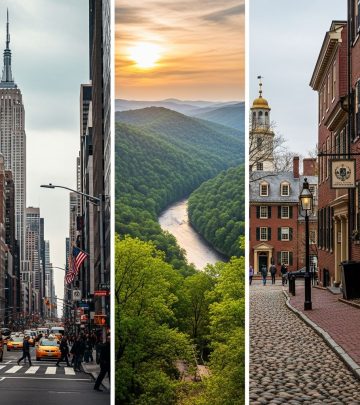
12. Unique Experiences and Must-See Attractions
Part of the magic of the US is the sheer range of experiences on offer. Here are just a few unmissable highlights:
| Experience | Region |
|---|---|
| Grand Canyon National Park | Southwest |
| New York City Landmarks | Northeast |
| Pacific Coast Highway Road Trip | West Coast |
| Blues and Barbecue in Memphis | South |
| Chicago’s Art and Architecture | Midwest |
| Miami Beaches & Nightlife | Southeast |
| Hawai’i Volcanoes National Park | Pacific |
| The National Mall & Smithsonian | Washington, DC |
Regardless of your interests—nature, food, history, music, or adventure—the USA has something that will stay with you for life.
Frequently Asked Questions (FAQs)
Q: Do I need a visa to visit the US?
A: Citizens of Visa Waiver Program countries can enter for up to 90 days with an approved ESTA. Others must apply for a tourist visa in advance.
Q: How much should I tip in the US?
A: Standard tips are 18–20% in restaurants, $1–$2 per drink at bars, 10–15% for taxis and rideshares, and $2–$5 per day for housekeeping.
Q: Is it safe to travel alone in America?
A: The US is generally safe for solo travelers. Exercise caution in unfamiliar areas at night, use common sense, and stay updated on local guidance.
Q: What is the best way to get around large cities?
A: Subways, city buses, and ride-share apps offer efficient ways to explore major cities like New York, Chicago, Boston, and San Francisco.
Q: Will my phone work in the US?
A: Unlocked phones can use US SIM cards from major carriers. Free Wi-Fi is widely available, but check voltage and plug compatibility for chargers.