Essential Things to Know Before Traveling to Sardinia
Prepare for an unforgettable Sardinian adventure with key travel tips on culture, logistics, costs, and hidden gems.

Sardinia, a jewel of the Mediterranean, remains Italy’s best-kept secret. With its pristine beaches, unique traditions, rugged interiors, and charming towns, Sardinia offers so much more than its reputation as a summer escape. Before you plan your trip, explore these key insights to maximize your Sardinian journey and get closer to the island’s heart.
Understanding Sardinia: Beyond the Postcard
Sardinia is the second largest island in the Mediterranean and holds a distinct identity apart from mainland Italy. Locals speak both Italian and Sardinian, a language and culture so unique that Sardinia sometimes feels like a country of its own. You’ll find dramatically varied landscapes: turquoise coves, soaring mountains, ancient ruins, vibrant towns, and sleepy villages. Whether you are chasing adventure, tranquility, or authentic flavors, Sardinia never fails to surprise.
When to Visit: Timing Your Trip Right
Choosing the best time to visit Sardinia makes all the difference:
- Peak Season: July and August bring sun-loving Italians and international travelers. Expect crowded beaches, higher prices, and plenty of festivals, but also intense heat—temperatures often exceed 30°C (86°F).
- Shoulder Season: May, June, September, and early October are ideal. The weather is pleasantly warm, the sea is swimmable, and there are fewer crowds. You’ll witness the island at its most beautiful and relaxed.
- Off Season: November to March sees much of the island slowing down. Many beach resorts close, and some areas feel almost deserted. However, this is the season for quiet, lower prices, misty mountain landscapes, and cultural immersion—especially if you’re interested in local festivals or hiking.
Tip: Always check the calendar for local festivals and holidays, which can affect opening hours and accommodation availability.
Getting There and Around: Planes, Ferries, and Cars
Arriving in Sardinia
- Airports: The island is served by three international airports: Cagliari (CAG) in the south, Olbia (OLB) in the northeast, and Alghero (AHO) in the northwest. Flights connect Sardinia to major Italian and European cities.
- Ferries: Several ferry routes link Sardinia to mainland Italy (Genoa, Livorno, Civitavecchia, Naples), as well as Corsica. Arriving by ferry offers the bonus of bringing your own car.
Getting Around Sardinia
- Car Rental: Renting a car is the most practical way to explore. Public transport exists but is limited—especially for beaches and rural sights. Roads are generally in good condition, but mountain drives can be winding and slow.
- Buses & Trains: Regional buses and trains connect major towns, but service can be infrequent and schedules thin out on weekends and holidays.
- Bikes & Motorbikes: For the adventurous, cycling or motorbiking is an excellent way to see the landscape, but require strong skills due to hilly terrain.
Tip: Reserve rental cars well in advance, especially in summer, and choose smaller vehicles for easier driving in narrow village streets.
Costs and Budgeting: How Much to Expect
Sardinia can be as affordable or luxurious as you desire, but certain costs are worth preparing for:
- Accommodation: Prices soar in July and August. Consider staying in agriturismo (farm stays), B&Bs, or inland villages for better deals and more authentic experiences.
- Food: Eating at small trattorias, osterie, and rural farm restaurants offers excellent value and genuine flavors.
- Transportation: Public transport is cheaper than car rental but much less flexible. Factor fuel and tolls if driving.
Most major towns offer both high-end hotels and budget-friendly lodgings. Rural areas may have more limited but memorable options.
What to Pack: Essentials for Sardinian Adventures
Pack for diversity: Sardinia’s terrain and culture demand flexibility. Essentials include:
- Light, breathable clothes for hot weather
- Swimwear and sun protection (hat, sunglasses, reef-safe sunscreen)
- A light jacket or sweater for cooler evenings and spring/fall
- Comfortable shoes for cobbled streets and scenic rambles
- Water shoes for rocky beaches and coves
- Travel adapter (Italy uses type C, F, and L plugs)
If you visit outside peak season, pack waterproof layers—the weather can be unpredictable in winter and spring.
Must-See Destinations: Where to Go on the Island
Sardinia’s regions are distinct, each offering notable sights and experiences. Do not rush—choose a few regions and savor them.
Costa Smeralda & the Northeast
The glitzy Emerald Coast is famed for luxury, nightlife, and dazzling beaches. Porto Cervo, Liscia Ruja, and the Maddalena Archipelago offer turquoise seas, powdery sand, and exclusive resorts. Expect higher prices but undeniably scenic surroundings.
Alghero & the Northwest
Alghero charms with its Catalan heritage, medieval lanes, and vibrant seafood scene. Nearby, the Neptune’s Grotto caves impress with dramatic stalactites. Don’t miss the remote beaches north toward Stintino.
Cagliari & the South
Cagliari, the capital, blends ancient history (Roman amphitheater, medieval Castello) with buzzing markets and lively piazzas. South of the city, Poetto Beach and the Chia coast boast golden sands and ample swimming spots. Inland, visit ancient ruins like Nora and Su Nuraxi.
Ogliastra & the East
This rugged region, with the Supramonte mountains, is less traveled but loved by hikers and road-trippers. Cala Gonone is the gateway to the Golfo di Orosei, a coastline lined with striking sea caves and pristine coves. The beaches, such as Cala Mariolu, Cala Luna, and Cala Goloritzé, are often accessible only by boat or a rewarding hike.
The Interior: Barbagia, Mountains, and Villages
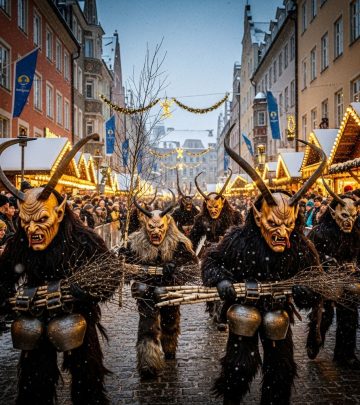
A different Sardinia awaits inland: oak forests, granite peaks, hill towns clinging to slopes, and some of the island’s most fiercely independent traditions. Villages like Orgosolo (mural-covered), Nuoro, and Mamoiada beckon with authentic festivals, shepherd culture, and seriously good local fare.
Beaches: The Best of the Mediterranean
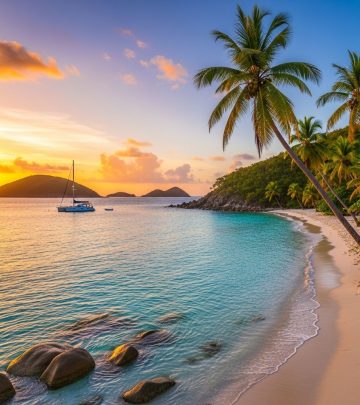
- Costa Smeralda: Liscia Ruja, Capriccioli, Spiaggia del Principe
- Golfo di Orosei: Cala Luna, Cala Mariolu, Cala Goloritzé
- South Coast: Chia, Tuerredda, Poetto
- West Coast: Is Arutas (famous for quartz sand), La Pelosa (near Stintino)
Many beaches, especially the most famous, have paid parking, and some limit visitor numbers in peak season. Arrive early to seize the best spots. Some hidden coves require hiking or a short boat trip—plan accordingly, bring water and snacks, and leave no trace.
What to Eat and Drink: Flavors of Sardinia
Sardinian cuisine is proud, rustic, and based on high-quality local ingredients. Some unmissable specialties include:
- Pane Carasau: Thin, crispy flatbread, often served with cheese or used in rich stews.
- Porceddu: Roast suckling pig prepared over wood embers, a festive mainstay.
- Malloreddus: Tiny semolina gnocchi, typically served with sausage and tomato sauce.
- Culurgiones: Plump pasta pockets stuffed with potato, mint, and pecorino cheese.
- Seafood: Octopus salad, lobster from Alghero, spaghetti with bottarga (cured fish roe).
- Pecorino Sardo: Bold local sheep’s cheese, perfect for picnics.
Pair your meal with a glass of Cannonau (full-bodied red wine), Vermentino (crisp white), or finish with the herbal liqueur mirto.
Cultural Insights: Language, Customs, and Local Etiquette
- Most people speak Italian, but many elders and locals also speak Sardinian. English is widely spoken in tourist areas, but less so inland—learning a few Italian phrases will be warmly appreciated.
- Family and tradition are central pillars of Sardinian life. Shops and restaurants, especially outside big towns, often close for a long afternoon siesta.
- Dress codes are casual but respectful, especially in churches and villages.
- Tipping is not obligatory but rounding up or leaving the change is appreciated for good service.
- Punctuality is relaxed: if you’re invited to a gathering, running a little late is often the norm.
Embrace the Sardinian pace. Slow down, join a festival if you can (from boisterous Carnival parades to autumn food sagre), and look out for traditional music and crafts.
Safety, Health, and Practical Info
- Crime: Sardinia is generally safe and friendly. Usual travel precautions suffice. Watch for pickpockets in touristy towns.
- Swimming: Beaches are largely safe, but take care with rougher west coast waters. Respect all warning signs.
- Healthcare: Medical facilities are available in major towns. Carry travel insurance and bring any necessary medications; pharmacies are plentiful but might close mid-afternoon.
- Water: Tap water is safe to drink but may taste mineral-rich in rural areas.
- Connectivity: Mobile coverage is good in cities, spottier in remote areas. Free Wi-Fi is common in hotels and many cafés.
Tips for Responsible and Respectful Travel
- Eco-Awareness: Avoid single-use plastics; bring your own reusable water bottle and bag. Many beaches ban smoking to keep them pristine.
- Respect Local Traditions: When visiting festivals or sacred sites, dress modestly and ask before taking photos of people or religious ceremonies.
- Leave No Trace: Take all litter with you and stick to marked paths, especially in protected coastal and mountain areas.
- Support Local: Buy crafts and foods directly from artisans, farmers, and village markets wherever possible.
Frequently Asked Questions (FAQs)
Q: Is Sardinia expensive to travel around?
A: Sardinia can range from budget-friendly to high-end luxury. Accommodation and dining costs spike in July and August; visiting in shoulder season and staying in inland villages offers better value.
Q: Do I need to rent a car to explore Sardinia?
A: Renting a car is highly recommended. Public transport options are limited, especially if you aim to reach secluded beaches or mountain towns.
Q: What is the weather like in Sardinia?
A: Sardinia enjoys a Mediterranean climate: hot, dry summers and mild, wet winters. Pack accordingly for the time of year and always bring sun protection.
Q: Are there any unique customs or etiquette rules I should know?
A: Respecting local eating times, greeting locals with a friendly “Buongiorno” or “Buonasera,” and dressing modestly in villages or at religious sites are all appreciated by Sardinians.
Q: Is it easy to find vegetarian or vegan food in Sardinia?
A: While Sardinian cuisine is meat and seafood-heavy, many places offer delicious vegetable-based antipasti and fresh salads. Specify dietary needs in advance and try local specialties using seasonal produce.
Quick Tips Table: Sardinia at a Glance
| Aspect | Key Details |
|---|---|
| Peak Season | July–August: Crowded, hot, vibrant nightlife & festivals |
| Shoulder Season | May–June & Sept–Oct: Best for weather & fewer tourists |
| Main Airports | Cagliari, Olbia, Alghero |
| Getting Around | Car highly recommended; some buses and trains |
| Must-Try Food | Porceddu, malloreddus, seafood, pane carasau, pecorino |
| Top Beaches | Golfo di Orosei, Costa Smeralda, Chia, Is Arutas |
| Local Language | Italian, Sardinian dialects; limited English inland |
| Voltage & Plugs | 230V, plug types C, F, L |
Final Word
With its unspoiled landscapes, deep traditions, and warm-hearted people, Sardinia remains a destination that rewards curiosity and patience. Take your time, stray off the beaten track, and savor the simple pleasures. Whether it’s your first visit or your tenth, Sardinia invites you to slow down, discover, and return.