Essential Things to Know Before Traveling to Germany
Navigate Germany with confidence by learning cultural etiquette, practical tips, and travel essentials for a memorable visit.

Germany is a nation rich in history, framed by vibrant cities, captivating culture, and picturesque landscapes. For first-time visitors, knowing what to expect—from local etiquette to practical logistics—can be the key to a smooth and rewarding journey. This guide covers the most important things to know before visiting Germany, so you can plan confidently and enjoy the best the country has to offer.
1. Plan Your Trip Thoughtfully
Germany offers myriad options for travelers, from iconic cities to rural escapes. When planning your journey:
- Decide what type of experience you want: Germany’s historic cities, fairytale castles, alpine peaks, and charming villages appeal to a wide range of interests.
- Choose the right time to visit: Summers are warm and festive, while winters are cold but bring magical Christmas markets. Spring and autumn offer mild weather without the crowds.
- Book accommodations early: Major events (like Oktoberfest) and peak seasons can quickly fill hotels and rentals.
- Consider themed itineraries: Options range from castle tours to wine country, cycling routes, and family adventures.
2. Getting Around: Transportation in Germany
Germany’s transportation network is one of the most efficient in Europe. Understanding the options will help you get around with ease:
- Trains: The Deutsche Bahn system connects virtually every city and town. Book online for discounts (look for “Sparpreis” fares) and reserve seats on busy routes.
- Regional Travel: Consider rail passes or regional day tickets for unlimited local train travel within specific areas.
- Public Transit: Cities offer excellent subways (U-Bahn), light rail (S-Bahn), buses, and trams. Tickets must usually be validated before boarding.
- Road Trips: Germany’s autobahn is famous for its stretches without speed limits. Rental cars are widely available, but know the rules—watch for speed cameras and always carry your driver’s license and passport.
- Cycling: Many cities are bike-friendly, with dedicated lanes and rental schemes.
3. Language: Communicating in Germany
- German is the official language and is spoken everywhere. Many Germans, especially younger generations and in larger cities, speak English fluently.
- Learn a few basic phrases: Simple greetings and polite expressions go a long way.
| Phrase | Translation |
|---|---|
| Hallo | Hello |
| Guten Morgen | Good morning |
| Danke | Thank you |
| Bitte | Please/You’re welcome |
| Entschuldigung | Excuse me/Sorry |
English signage is becoming more common in tourist centers, but in rural areas, German is predominant.
4. Money Matters: Costs, Cash, and Credit
- Currency: Germany uses the Euro (€). ATMs (“Geldautomat”) are widely available, and most accept international cards.
- Cash is still king in many places: Smaller shops, cafés, and even some restaurants prefer cash or debit cards (“EC-Karte”), so always carry some euros.
- Cards: Credit cards are accepted in larger hotels and shops, but always check before making a purchase.
- Tipping: Tips are appreciated, usually by rounding up the bill or leaving about 5-10% at restaurants and cafés. Hand your tip directly to your server when paying.
5. Cultural Etiquette and Social Norms
German culture values directness, punctuality, and respect for rules. Knowing some basics can help you avoid faux pas:
- Be on time: Punctuality is important in Germany—for social meetings and professional appointments alike.
- Address people formally: Use “Herr” (Mr.) or “Frau” (Mrs./Ms.) plus the surname when meeting someone for the first time or in a professional context.
- Respect quiet hours: Many apartments and neighborhoods require silence from 10 pm to 6 am. Loud noises and parties during these hours can draw complaints.
- Recycle diligently: Germany takes environmental responsibility seriously. Sort your waste (paper, glass, plastic, compostable, and residual) according to local rules.
- Smoking: Smoking is banned in most public indoor spaces. Look for designated smoking areas outside.
- Public transportation etiquette: Speak quietly; stand to the right on escalators, and offer your seat to elderly or disabled passengers.
6. Food and Drink in Germany
German cuisine is much more diverse than bratwurst and beer. Here’s what you should know:
- Regional specialties: Each area offers its own dishes—pretzels in Bavaria, fresh fish in Hamburg, sausages in Thuringia, wine in the Rhine region.
- Restaurants: For lunch, restaurants open around noon and close by 2 pm; dinner typically starts after 6 pm. Reservations aren’t required for casual places but recommended for fine dining.
- Drinks: Germany is famous for its beer, but also excellent wines (especially in Rhineland-Palatinate and Baden-Württemberg). Tap water is safe to drink (“Leitungswasser”), but bottled water is standard in restaurants.
- Vegetarian/Vegan travelers: Options are increasingly common, especially in larger cities.
7. Major Destinations and Highlights
Germany’s cities and regions offer something for every traveler. Here’s a quick overview:
- Berlin: History, cutting-edge art, vibrant nightlife, and landmark attractions like the Brandenburg Gate, Reichstag, East Side Gallery, and Holocaust Memorial.
- Munich: Bavarian traditions, world-famous beer gardens, lush urban parks (Englischer Garten), and historic plazas. Visit during Oktoberfest for the quintessential experience.
- Hamburg: Germany’s gateway to the sea, known for its maritime heritage, nightlife (St Pauli & Reeperbahn), and striking architecture like the Elbphilharmonie.
- Cologne: The majestic Cologne Cathedral defines the skyline. The city offers vibrant cultural activities, museums, and riverside walks.
- Frankfurt: Germany’s financial hub, blending skyscrapers with half-timbered old town charm.
- Rhine Valley: Stunning scenery, romantic cities, wine tasting, and fairytale castles lining the riverbanks.
Don’t miss the Black Forest for hiking and traditional villages, or Lake Constance for lakeside relaxation and outdoor activities.
8. Festivals and Events
- Oktoberfest (Munich): The world’s largest beer festival, celebrated with music, parades, and Bavarian culture.
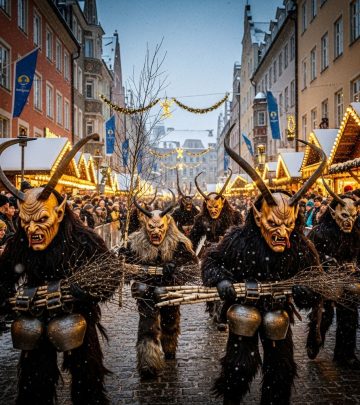
- Christmas markets: From Berlin to Dresden and Nuremberg, Germany’s festive winter tradition is magical for shopping, mulled wine, and holiday treats.
- Carnival (Cologne): Lively parades, costumes, and street parties before Lent.
- Berlinale (Berlin): One of Europe’s top film festivals, attracting movie buffs and celebrities alike.
9. Practical Travel Tips
- Emergencies: Dial 112 for medical, fire, or police emergencies.
- Tourist Information: Most cities have central offices with English-speaking staff, free maps, and local advice.
- Electricity: Germany uses the standard European plug (Type C and F, 230V/50Hz).
- Sunday closures: Many shops and supermarkets are closed on Sundays; plan accordingly for groceries and essentials.
- Safety: Germany is generally very safe with low crime rates, but remain vigilant in crowded areas and on public transportation.
10. Packing and Preparing
- Pack for variable weather: Northern Germany can be cool, even in summer; bring layers and a rain jacket.
- Good walking shoes: Cobblestone streets and long sightseeing days require comfortable footwear.
- Travel adapters: Essential for North American visitors to charge electronics.
- Medical and travel insurance: Strongly recommended; check if your policy covers Europe.
- Documents: Carry your passport, visa (if required), and travel confirmations (hotels, tickets).
Frequently Asked Questions (FAQs)
Q: Do I need a visa to travel to Germany?
A: Citizens of the US, Canada, Australia, UK, and many other countries can enter Germany for short stays (up to 90 days) without a visa. Always verify requirements before departure.
Q: Is tap water safe to drink?
A: Absolutely. Tap water in Germany is clean and safe for drinking everywhere.
Q: What power plug type does Germany use?
A: Germany uses the standard European type C and type F plugs (230V, 50Hz).
Q: Can I use my credit card everywhere?
A: Credit cards are accepted in most large hotels and shops, but carry cash for smaller businesses, restaurants, or rural areas.
Q: What’s the best way to get around German cities?
A: Urban public transit systems (U-Bahn, S-Bahn, trams, buses) are punctual, inexpensive, and easy to use.
Q: Is Germany safe for solo travelers and families?
A: Yes. Germany is very safe for all types of travelers, including families. The infrastructure and emergency services are reliable.
Bonus Tips for a Memorable Germany Trip
- Advance reservations: Popular attractions—especially castles and museums—can have timed tickets or limited entry. Book ahead to avoid disappointment.
- Embrace local customs: When clinking glasses, always look your companions in the eye and say “Prost!”
- Try the bakeries: German bread and pastries are world-renowned for their taste and variety.
- Respect privacy: Germans value personal space in public, so avoid loud conversations or intrusive behavior.
- Sunday ‘Ruhetag’: Enjoy the quiet, take a stroll, and savor leisurely meals—as most businesses will be closed.
Conclusion
Germany is an endlessly fascinating country, mixing old-world charm and modern innovation. With its efficient infrastructure, diverse culture, and warm hospitality, it’s the ideal spot for every traveler—from solo adventurers to families on the move. Understanding these essential facts, traditions, and travel tips will help you experience Germany at its very best.