Essential Things to Know Before Traveling to Lima
Plan Your Perfect Lima Adventure: Insider Travel Tips, Cultural Highlights, and Can't-Miss Experiences Await in Peru's Vibrant Capital.

Lima, the striking capital of Peru, seamlessly blends colonial history, vibrant city life, coastal charm, world-class gastronomy, and emerging modernity. Whether you’re a first-time visitor, a seasoned explorer, or planning your return, knowing how to navigate Lima’s complexity will help guarantee a rewarding, safe, and unforgettable trip.
Getting Your Bearings: An Introduction to Lima
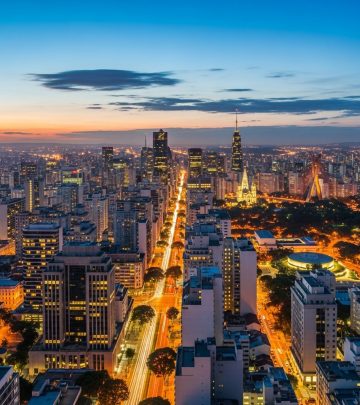
Set on cliffs overlooking the Pacific Ocean, Lima is a metropolis where old and new mix with a distinctly Peruvian flair. From pre-Columbian ruins to cutting-edge restaurants, and from classic plazas to bohemian enclaves, there’s something for every traveler.
- Population: Over 9 million, making it South America’s fifth-largest city.
- Languages: Spanish is the official language; English is spoken in most tourist areas.
- Currency: Peruvian Sol (PEN).
- Time Zone: UTC – 5 hours.
Best Time to Visit Lima: Seasonal Insights
Lima’s coastal climate is unique—often misty and cool, with summer bringing more sunshine and crowds.
- Summer (December to March): Sunny, with temperatures ranging 24–30°C (75–86°F). Beaches are popular but crowded.
- Winter (June to September): Cooler and gray, averaging 16–20°C (61–68°F), ideal for exploring museums and historic sites.
- Shoulder Seasons: April–May and October–November offer mild weather and fewer tourists.
Tip: Lima’s unique “garúa” fog blankets the city most of the year, so pack layers and be prepared for humidity—umbrellas are rarely needed.
Getting Around: Transportation Tips
Lima’s transportation network can be overwhelming, but with a little planning you can move efficiently through the city.
- Metropolitano Bus: The easiest mass-transit option for major routes; purchase a card at stations.
- Taxis: Ubiquitous but unregulated. Use trusted apps (Cabify, Uber) or arrange through hotels to avoid haggling and scams.
- Micros and Combis: Local minibuses are cheap but chaotic and best for adventurous travelers familiar with the city.
- Walking & Biking: Neighborhoods like Miraflores and Barranco are pedestrian-friendly, and the *malecón* offers scenic bike or jog routes along the coastline.
Local Tip: Lima’s streets often have multiple or differing names across districts; always confirm the neighborhood with taxi drivers and use landmarks for orientation.
Lima’s Must-See Neighborhoods
| Neighborhood | Highlights |
|---|---|
| Miraflores | Commercial center, Pacific views, upscale dining, LarcoMar Mall, clifftop parks |
| Barranco | Bohemian, artsy vibe; street art, galleries, nightlife, Bridge of Sighs |
| Centro Histórico | Colonial architecture, Plaza de Armas, catacombs, government buildings |
| San Isidro | Business district, gourmet restaurants, Olive Park |
| Callao | Port city known for La Punta and the Real Felipe Fortress; caution advised in some areas |
Unmissable Experiences and Top Attractions
- Walk or Bike the Malecón: This scenic cliffside path offers panoramic ocean views and links parks, sculptures, and gardens across Miraflores, San Isidro, and Barranco. Ideal for exercise, photography, and relaxing strolls.
- Museo Larco: One of Peru’s best museums, showcasing 3000 years of pre-Columbian art, pottery, textiles, and gold. The lush gardens and on-site café make it perfect for an afternoon.
- Plaza de Armas & Historic Center: The heart of colonial Lima, with grand churches (including Iglesia de Santo Domingo), government buildings, and beautiful courtyards. Don’t miss the changing of the guard.
- San Francisco Monastery & Catacombs: Explore eerie underground passages that once housed thousands of crypts—then tour the historic center for a full immersion in Lima’s storied past.
- Huaca Pucllana: This pre-Inca adobe pyramid sits in Miraflores and offers daytime and nighttime tours. The adjoining restaurant features exceptional views and innovative Peruvian cuisine.
- Magic Water Circuit: A dazzling fountain and light show in Parque de la Reserva, best enjoyed after dark. It’s ideal for families and offers a fun, interactive experience.
Experiencing Lima’s World-Class Food Scene
Lima is South America’s culinary capital, celebrated for its fusion of indigenous, Spanish, African, and Asian flavors.
- Ceviche: The national dish—fresh fish marinated in lime juice, chilies, and onions; find it at cevicherías like La Mar and Punto Azul.
- Nikkei Cuisine: Peruvian-Japanese fusion (try Maido for a world top-10 rated experience).
- Novaandina Cuisine: Modern Peruvian food using ancient ingredients at restaurants such as Central, regularly ranked among the world’s best.
- Pisco Sour: Lima’s signature cocktail—mix of pisco brandy, lime juice, syrup, and egg white. Sample the classic version at Queirolo.
- Street Eats: Enjoy local favorites like anticuchos (grilled beef heart skewers), tamales, and churros at open-air markets and kiosks.
Insider Tip: For food enthusiasts, book a guided food tour or cooking class to learn about Peru’s diverse culinary traditions firsthand.
Adventure and Outdoor Activities
- Surfing & Paddleboarding: Lima’s Pacific coastline offers year-round waves. Playa Costa Verde is favored for beginners, while Playa La Herradura attracts serious surfers with big breaks. Equipment and lessons are easy to find along the beachfront.
- Paragliding: Launch from the cliffs of Miraflores for aerial views of the coastline and cityscape.
- Biking: Rent a bike to tour the *malecón* or take guided cycling tours across neighborhoods.
- Walking Barranco: Immerse in street art, visit galleries (Las Pallas, Dédalo, Crisis Galeria), and discover boutique shops.
Family-Friendly Activities
- Magic Water Circuit: Interactive fountains and light displays; perfect for kids and evening strolls.
- Parks and Green Spaces: Parque Kennedy in Miraflores, Parque de la Reserva, and the *malecón* parks.
- Shopping: LarcoMar Mall offers international brands, ocean views, and family-friendly amenities.
Local Tip: Lima is a family-oriented city, though streets can be busy. Head to green spaces and malls when the pace of urban life feels overwhelming.
Tips for Staying Safe in Lima
- General Awareness: Petty theft (pickpocketing, bag snatching) can happen—especially in crowded markets or bus terminals. Keep valuables close and avoid displaying cash or expensive electronics.
- Areas to Approach Carefully: La Punta and parts of Callao can be risky; travel with caution and avoid isolated places after dark.
- Transportation Safety: Only use registered taxi apps and never use unofficial cabs flagged down on the street.
- Street Smarts: Trust your instincts and seek local advice if you’re unsure about a specific neighborhood.
Money Matters: Costs and Budgeting
- Currency Exchange: ATMs are widely available; street money changers offer competitive rates but can be risky.
- Cost Range:
- Budget travelers: US$30–50/day (hostels, local restaurants, public transport)
- Mid-range: US$50–120/day (boutique hotels, sit-down restaurants, some guided tours)
- Luxury: US$120+/day (fine dining, high-end hotels, private guides)
- Bargaining: Common at markets; negotiate politely.
Free and Low-Cost Things to Do
- Museo de Arte de Lima (MALI): Free entry on select days.
- Public Parks: The *malecón*, Parque Kennedy, and Parque de la Reserva are always accessible.
- Street Art Tours in Barranco: Free walks to admire murals and creative installations.
- Historic Churches: Visit beautiful churches in the Historic Center for a small entrance fee or donation.
Day Trips from Lima
Expand your experience by exploring attractions just outside the city:
- Pachacámac: Impressive pre-Columbian temple complex, 40 km southeast.
- Islas Palomino: Take a boat tour to see sea lions and seabirds.
- Chorrillos: Visit local markets, fresh seafood venues, and the less-traveled coastal cliffs.
Extra Planning Tips
- Electrical Outlets: Peru uses type A and C plugs (220V).
- Language Apps: Download a Spanish language app or phrasebook for easier communication.
- SIM Cards: Purchase at the airport or local shops for easy mobile connectivity.
Frequently Asked Questions (FAQs)
Q: Do I need a visa to enter Lima?
A: Most travelers from North America, Europe, and Australia do not require a visa for visits under 183 days. Check your country’s requirements before travel.
Q: Is Lima safe for solo travelers?
A: Yes, with standard precautions. Stick to well-trafficked areas, use trusted transport, and avoid displaying valuables.
Q: Can you drink tap water in Lima?
A: Tap water is not generally recommended for drinking. Use bottled or filtered water for drinking and brushing teeth.
Q: Is English widely spoken?
A: English is common in tourist areas, hotels, and restaurants. Basic Spanish helps for taxis, markets, and off-the-beaten-path experiences.
Q: What is a must-try dish in Lima?
A: Ceviche is Lima’s star dish, but don’t miss Nikkei cuisine, anticuchos, and fresh churros from street vendors.
Q: Are there beaches in Lima?
A: Yes, Lima boasts city beaches like Costa Verde and farther out surfing destinations. Quality varies, so follow local advice on cleanliness and safety.
Q: How much should I tip in restaurants?
A: While not mandatory, a 10% tip for good service is appreciated in most mid-to-upscale restaurants.
Final Tips for a Memorable Lima Journey
Lima is both ancient and dynamic—its culture, cuisine, and coastline make it an unmissable destination for every Peru traveler. From savoring ceviche in seaside cafes to discovering hidden art in Barranco, and from the bustling markets to tranquil parks, Lima rewards curiosity and an open mind. Plan wisely, keep safety top-of-mind, and embrace the city’s energetic pulse for an unforgettable adventure.