Costa Rica’s Pacific vs Caribbean Coast: Which Should You Choose?
A comprehensive guide to choosing between Costa Rica’s Pacific and Caribbean shores, exploring beaches, culture, wildlife, and adventure.

If you’re planning a trip to Costa Rica, deciding between the Pacific and Caribbean coasts is often the first—and most exciting—step. Though less than 200 kilometers apart at their closest point, these two spectacular shorelines deliver dramatically different experiences, from the culture and ecosystem to the very nature of a day at the beach. This guide will walk you through all the key differences and highlights, so you can select the coast best suited to your tastes, travel style, and sense of adventure.
At a Glance: Pacific vs Caribbean Coast
| Aspect | Pacific Coast | Caribbean Coast |
|---|---|---|
| Vibe | Surf towns, golden-sand beaches, dramatic sunsets, well-developed for tourism | Lush rainforest, Afro-Caribbean culture, laid-back local scene |
| Best Time to Visit | December – April (dry season) | August – October (drier window, best snorkeling) |
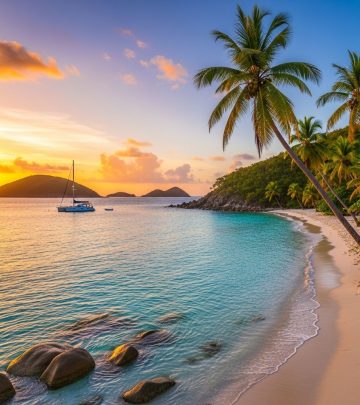
| Beaches | Wide, golden sand, consistent waves, iconic sunsets | Coves with turquoise water, palm-framed, more secluded |
| Wildlife | Whales, dolphins, monkeys, sea turtles | Sloths, toucans, frogs, turtles (nesting season) |
| Costs | Generally higher, many resorts and hotels | Budget-friendly, small hotels, eco-lodges |
| Who It’s Best For | First-timers, families, surfers, couples | Nature lovers, culture seekers, off-the-beaten-path travelers |
Understanding Costa Rica’s Two Coasts
Costa Rica stretches between the Pacific Ocean to the west and the Caribbean Sea to the east. Each side features its own signature landscapes, climate, wildlife, and atmosphere. Here’s a snapshot of what defines each coast:
- Pacific Coast: Known for its extensive stretches of golden-sand beaches, consistent waves that attract surfers worldwide, and a robust tourism infrastructure. It also encompasses several famous national parks, lively beach towns, and upmarket resorts.
- Caribbean Coast: Famed for tropical rainforests hugging wild coastlines, a laid-back feel, and a strong Afro-Caribbean identity reflected in the food, music, and culture. Towns are typically smaller, tourism less developed, and the pace of life feels slower and more authentic.
Beaches: Surf, Sunsets, and Serenity
Pacific Coast Beaches
The Pacific coastline—stretching over 600 miles—features diverse beaches, from bustling surf towns to serene coves. The sand is typically golden, and many beaches are spacious, with swimmable waves ideal for board riders. The backdrop of fiery sunsets is unforgettable. Major Pacific beaches include:
- Tamarindo: Popular surf town with vibrant nightlife
- Nosara: Yoga retreats and mellow vibes
- Santa Teresa/Montezuma: Remote beauty and world-class breaks
- Manuel Antonio: Beach paired with rainforest and a renowned national park
- Uvita/Dominical: Whale watching and tranquil sands
Caribbean Coast Beaches
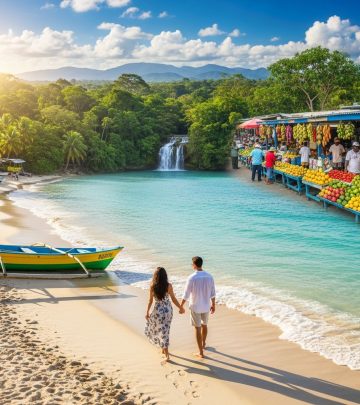
The Caribbean coastline is shorter but packs dramatic beauty into its wild, less-traveled stretches. Beaches are framed by rainforest and coconut palms, often dotted with fishing boats and reggae bars. The water shimmers turquoise and is warm year-round. Key beaches include:
- Puerto Viejo: Afro-Caribbean influenced, known for party vibes and local flair
- Cahuita: Quiet, unspoiled stretches perfect for relaxation
- Tortuguero: Black sand, a vital sea turtle nesting area
Which is best? The Pacific is popular for activity-packed days and sunset surfers. The Caribbean wins for tranquility, natural beauty, and less crowded sands. In the end, beach lovers can’t really go wrong with either.
Wildlife Wonders: Forests and Fauna
Pacific Coast Wildlife
The Pacific side is dotted with world-renowned national parks where travelers can spot three types of monkeys, scarlet macaws, crocodiles, sloths, iguanas, and even humpback whales (especially in Marino Ballena National Park during the migration season). Highlights include:
- Manuel Antonio National Park: Dense wildlife amid beaches and rainforest
- Osa Peninsula: One of the most biodiverse places on earth
- Whale and dolphin watching: Especially during whale migration (August–October, December–April)
Caribbean Coast Wildlife
The Caribbean, though home to fewer parks overall, is a top destination for wildlife enthusiasts. It features distinct ecosystems, fewer crowds, and exceptional wildlife viewing opportunities, especially in rainforests and wetlands:
- Tortuguero National Park: Globally important nesting ground for green turtles (and also hawksbill, leatherback, loggerhead). Tortuguero is often called the “Amazon of Costa Rica” for its network of waterways and astonishing wildlife.
- Cahuita National Park: Notable for sloths, monkeys, and the best coral reefs in the country
- Jaguar Rescue Centre, Tree of Life Wildlife Rescue Centre: Opportunities to see animals up close and learn about conservation
Choose the Caribbean for turtles, amphibians, reptiles and birding, or pick the Pacific for whales, big cats, and primates.
Culture, Food, and Local Scene
Caribbean Coast Culture
The Caribbean coast’s character is Afro-Caribbean. Reggae beats drift from beach bars, Creole English is spoken, and flavorful cuisine—think jerk chicken, coconut rice, and spicy Caribbean stews—dominates menus. You’ll encounter a mix of Afro-Costa Rican, indigenous Bribri, and international travelers in a setting where community interactions feel intimate and authentic.
Pacific Coast Culture
The Pacific’s vibe varies from polished resort towns to chilled surfer enclaves. The region leans toward mainstream Costa Rican culture, with Spanish as the principal language and a focus on “pura vida” hospitality. Seafood is abundant and menus showcase local flavors—fresh ceviche, grilled fish, rice and beans, and plantains. Tourist facilities are more built-up, with more development and fast-paced energy, especially in large surf towns and upscale hotels.
- The Pacific is a better fit for travelers seeking nightlife, family amenities, and easy access to tours
- The Caribbean attracts those who prioritize unique cultural experiences, community festivals, and traditional food
Weather and Best Time to Visit
Pacific Coast Weather
- Dry Season: December – April. Sunny, less humid, busiest for tourism and generally higher prices.
- Green (Rainy) Season: May – November. Rain increases, but mornings often stay clear. Surf is at its best.
Caribbean Coast Weather
- Rain throughout much of the year, with the driest and sunniest weather typically during August–October. This window also brings the best underwater visibility for snorkeling and diving.
- Less pronounced seasonal swings, so travel is possible at any time—rainfall can happen any month but doesn’t usually last all day.
Costs, Accommodations, and Infrastructure
Pacific Coast
- Diverse accommodation range: From luxury all-inclusive resorts and boutique hotels to hostels and Airbnbs
- Higher prices overall, especially in popular destinations and during dry season
- Better developed infrastructure: Easier driving, more direct flights, better road conditions, and extensive tour offerings
Caribbean Coast
- Accommodation: Eco-lodges, budget hotels, and guesthouses; fewer resorts, more rustic charm
- Generally less expensive than the Pacific, with better value for food and lodging
- Limited infrastructure: Fewer paved roads, basic amenities, and less English spoken (some find this adds to its appeal)
For a splurge with polished amenities, stick with the Pacific. For budget adventures and immersion in local culture, the Caribbean is hard to beat.
Activities and Adventures
| Type | Pacific Coast | Caribbean Coast |
|---|---|---|
| Surfing | World-famous breaks (Tamarindo, Jaco, Santa Teresa) | Consistent but smaller breaks (Playa Cocles, Salsa Brava) |
| Snorkeling/Diving | Good (Isla del Caño, Marino Ballena NP) | Best in Costa Rica (Cahuita, Gandoca-Manzanillo, Aug–Oct peak) |
| Wildlife/Birdwatching | Osa Peninsula, Manuel Antonio | Tortuguero, Cahuita |
| Hiking | Rainforest treks, volcanoes (Rincón de la Vieja, Corcovado) | Jungle walks, coastal trails (Cahuita NP, Gandoca-Manzanillo) |
| Nightlife | Vibrant in major towns | Casual, reggae bars |
Other Adventures:
- Pacific: Sportfishing, canopy tours, ATV excursions, horseback riding, whale and dolphin watching
- Caribbean: River canoeing in Tortuguero, bike rentals in Puerto Viejo, cacao tours, and cultural workshops
Transportation and Getting Around
Pacific Coast: Major airport hubs at Liberia (LIR) and San José (SJO) make access easy. Paved roads connect main destinations; rental cars are practical for exploring remote areas. Shuttle buses and local flights can link key towns effortlessly.
Caribbean Coast: Most people land at San José (SJO), then drive or take a shuttle east. Roads are less developed, especially farther south or north, and access to spots like Tortuguero is only by boat or small plane. Biking is popular in towns like Puerto Viejo for short trips.
Which Coast Is Right for You?
The best coast for your Costa Rica adventure depends on your travel priorities:
- Choose the Pacific if: You’re looking for a wide selection of beaches and activities, easy travel logistics, upscale lodging, world-class surfing, whale watching, or your first visit to Costa Rica.
- Choose the Caribbean if: You crave off-the-beaten-path adventures, rainforest-backed beaches, authentic cultural connections, abundant wildlife, or a cozy, budget-friendly escape.
- Trying both? With 5 to 7 days, stick to one coast. With 10 days or longer, it’s possible to experience highlights of both, factoring in travel times of 4–6 hours or more between coasts.
Frequently Asked Questions (FAQs)
Q: Can I visit both Costa Rican coasts in one trip?
A: Yes, but due to travel distances (4–6+ hours by road), it’s best with 10 days or more. If short on time, focus on one coast.
Q: Which coast is better for surfing?
A: The Pacific coast offers the most renowned surf spots, with consistent waves for all levels. The Caribbean’s Salsa Brava is legendary for experts, though fewer options exist overall.
Q: Where can I see turtles?
A: For nesting turtles, head to Tortuguero (Caribbean) from July–October or Ostional/Playa Grande (Pacific) from June–December.
Q: Is the Caribbean coast safe for travelers?
A: Generally, yes; exercise typical travel caution (watch valuables, avoid risky areas at night). The Caribbean is known for friendly locals and a relaxed vibe.
Q: Can I swim everywhere on both coasts?
A: Some Pacific beaches have strong currents—pay attention to posted warnings. The Caribbean is generally calmer but always heed local advice.
Q: Which coast is cheaper?
A: The Caribbean offers better value for budget accommodations and food; Pacific hotspots can be pricier, especially in peak season.
Final Thoughts
Costa Rica’s Pacific and Caribbean coasts are worlds apart in atmosphere, wildlife, and experience, but both promise breathtaking scenery and unforgettable adventures. Whether you seek adventure and comfort or authenticity and wild nature, this beautiful country has a perfect slice of paradise for every traveler.