Colombia: A Journey Through Diversity, Culture, and Natural Wonders
Discover Colombia’s energetic rhythms, vibrant landscapes, and rich cultural tapestry—from soaring Andes to Caribbean shores and ancient ruins.

Colombia Travel Guide: Discover a World of Diversity
An exhilarating blend of South America’s spirit and Caribbean zest, Colombia emerges as a place where every day delivers a new adventure. Here, you can traverse snow-capped Andes, explore tropical rainforests, and wander through streets echoing with centuries of history—all within a single journey.
Colombia’s magical moments come ‘thick and fast,’ making it a truly diverse destination for culture lovers, nature enthusiasts, and thrill-seekers alike.
Why Travel to Colombia?
- Geographical diversity: From glacier-topped mountains to lush jungles and sun-drenched Caribbean beaches.
- Cultural richness: Thriving cities, enchanting colonial towns, and vibrant music and art scenes.
- Adventure opportunities: Trekking, diving, rafting, bird watching, and more.
- Unique wildlife and biodiversity: Colombia is the second-most biodiverse nation on Earth.
- Warm, welcoming people: Renowned for their hospitality and pride in their homeland.
Top Cities and Destinations in Colombia
Colombia’s allure is in its contrasts: trendsetting cities pulse with modern life while colonial and pre-Hispanic gems tell stories of the past.
Bogotá
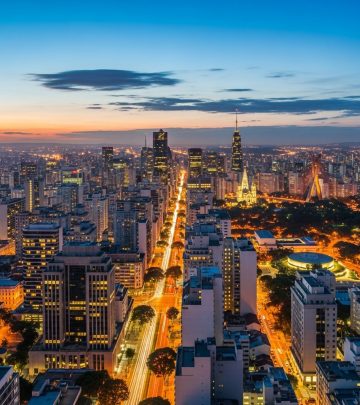
The vibrant high-altitude capital, Bogotá, bursts with energy. Must-sees include:
- Museo del Oro: Home to the world’s largest pre-Hispanic gold collection.
- La Candelaria: The atmospheric colonial heart with colorful streets and historic sites.
- Sky-high viewpoints: Ride the cable car or funicular to Cerro de Monserrate for sweeping city panoramas.
- Coffee culture: Bogotá’s cafés serve some of the world’s finest beans.
Cartagena
No Colombian journey is complete without time in Cartagena. This walled colonial city boasts:
- Cobblestone streets draped in bougainvillea and echoing with street music.
- Castillo San Felipe de Barajas: A mighty fortress witnessing centuries of history.
- Rooftop bars and beach escapes: Bocagrande’s beaches and the city’s rooftop scene.
- Nightlife: Savor Caribbean flavors while moving to the city’s legendary rhythm.
Medellín
Once infamous, Medellín is now a model of urban innovation with:
- Comuna 13: Resilient neighborhoods transformed by colorful murals and outdoor escalators.
- Plaza Botero: Bronze sculptures by Fernando Botero create an open-air museum.
- Cultural events: From the Flower Festival to pulsating salsa clubs.
Cali
The salsa capital of Colombia—Cali enchants with:
- Live music and dance: Dance the night away in packed salsa clubs.
- Historic barrio San Antonio: Artisanal shops and delicious local cuisine.
Other Noteworthy Destinations
- Mompox: A colonial treasure suspended in time along the Magdalena River.
- Santa Marta: Gateway to Caribbean beaches and the Lost City trek.
- San Andrés & Providencia: Paradise islands for diving and relaxation.
Natural Wonders and Outdoor Adventures
Colombia’s landscapes span from rainforests to deserts, from coral reefs to snow-dusted peaks. Adventurers and nature lovers will find endless opportunities:
Andean Peaks and National Parks
- El Cocuy National Park: Trekking among glaciers and turquoise lakes.
- Puracé National Natural Park: Volcanoes, hot springs, and rare Andean condors.
Amazon Jungle
- Leticia: The jumping-off point for exploring the Amazon Basin’s untouched biodiversity.
- Pink river dolphins, rare monkeys, and exotic flora abound on river safaris and village visits.
Zona Cafetera (Coffee Region)
- Coffee plantation tours: Learn the process from bean to cup amid emerald green hills.
- Valle de Cocora: Home to towering wax palms—the national tree of Colombia.
- Picturesque towns: Salento and Manizales blend charm, culture, and scenery.
Caribbean and Pacific Coastlines
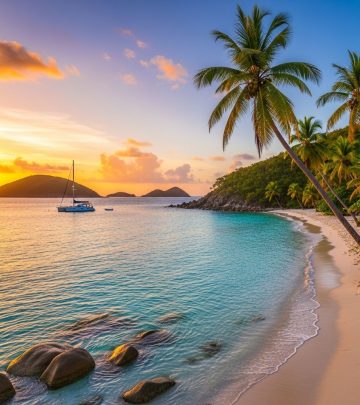
- Parque Nacional Natural Tayrona: Wild beaches framed by rainforest where the Sierra Nevada meets the sea.
- Providencia Island: World-class diving in the UNESCO-listed Seaflower Biosphere.
- Bahía Solano and Nuquí: Whale watching and surfing on the remote Pacific coast.
Adventure Activities
- Trekking: Ciudad Perdida (Lost City) and Andean trails.
- Watersports: Scuba diving, kitesurfing, rafting, and kayaking.
- Birdwatching: Colombia leads the world in bird species diversity—paradise for birders.
Pre-Hispanic and Colonial Heritage
- Ciudad Perdida (The Lost City): An ancient archaeological treasure, reached after a challenging multi-day jungle trek.
- San Agustín: Famed for its 500+ mysterious stone statues, remnants of long-lost civilizations.
Indigenous Cultures and Unique Traditions
- Wayúu people of La Guajira Peninsula: Distinctive handwoven bags and millennia-old traditions in an extraordinary desert-meets-sea landscape.
- Sierra Nevada communities: Kogi and Arhuaco, guardians of the sacred mountains.
Colombian Cuisine: Flavors to Remember
Colombia’s cuisine is as varied as its landscapes. Regional specialties include:
- Arepa: Corn cakes eaten throughout the country, sometimes stuffed with cheese or eggs.
- Bandeja Paisa: A hearty Antioquian platter with beans, meat, rice, plantain, and more.
- Fresh ceviche: For a coastal Caribbean twist.
- Ajiaco: Warming potato-and-chicken soup from Bogotá, served with corn and capers.
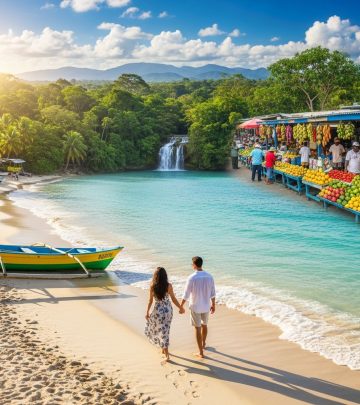
- Tropical fruits: Enjoy juicy lulo, guanábana, and mango sold at roadside stands.
Music, Nightlife, and Festivals
From salsa in Cali to cumbia on the coast, music is Colombia’s heartbeat:
- Salsa clubs in Cali and Medellín for energetic nights.
- Major festivals: Barranquilla’s Carnival (second largest in the world), Bogotá’s Rock al Parque, and Medellín’s Feria de las Flores.
- Live music: Every city thrives on a rich variety of rhythms and performances.
Planning Your Colombia Trip
Essential Travel Information
- When to visit: Year-round travel is possible, but December–March and July–August are generally dry and ideal for most regions.
- Transport: Domestic flights are common for long distances. Buses connect even remote areas.
- Safety: Colombia is much safer than in past decades, but travelers should remain aware of local advice, especially in rural areas.
- Language: Spanish is the official language. Learning basic phrases helps connect with locals.
- Currency: Colombian peso (COP).
Insider Tips
- Pack for all climates: From chilly mountain air to humid jungle and sunny beaches.
- Book major attractions and treks in advance: Especially Ciudad Perdida and Tayrona National Park.
- Embrace local customs: Greet with a friendly ‘¡Buenos días!’ and try every street food at least once.
Frequently Asked Questions (FAQs)
Q: Is Colombia safe for travelers?
A: Colombia has made significant progress in safety; sticking to well-traveled routes and following local advice ensures most trips are trouble-free.
Q: Which Colombian city should I visit first?
A: Bogotá and Cartagena are the top gateways. Bogotá offers museums and lively urban life, while Cartagena charms with colonial architecture and Caribbean soul.
Q: Do I need a visa to enter Colombia?
A: Many nationalities, including US, EU, UK, Canada, and Australia, receive a tourist visa on arrival for stays up to 90 days. Always check entry requirements before departure.
Q: What’s the best way to get around Colombia?
A: For long distances, domestic flights are efficient and affordable. Buses and local vans cover shorter routes and remote areas.
Q: Is it easy to find vegetarian or vegan food in Colombia?
A: While meat is featured heavily in traditional dishes, cities increasingly offer vegetarian and vegan options, and fresh produce is abundant.
Q: What festivals are a must-see?
A: Barranquilla’s Carnival, Feria de las Flores in Medellín, and Bogotá’s major music festivals provide unforgettable spectacle and atmosphere.
Q: Can I drink tap water in Colombia?
A: Tap water in major cities like Bogotá and Medellín is generally safe to drink, but elsewhere, stick to bottled or filtered water.
Quick Facts: Colombia at a Glance
| Fact | Details |
|---|---|
| Population | Approx. 50 million |
| Official Language | Spanish |
| Capital | Bogotá |
| Currency | Colombian Peso (COP) |
| Time Zone | GMT -5 |
| Area | Approx. 1,141,748 km² |
| Climate | Tropical on coasts; cooler in highlands |
| UNESCO Sites | 9 (including Cartagena, Coffee Cultural Landscape, San Agustín) |
Expert Tips for the Ultimate Colombian Experience
- Learn the dance: Don’t leave without trying salsa or cumbia—locals will gladly teach you.
- Rise early for nature adventures: Wildlife and hiking are best in the morning hours.
- Respect local customs: In indigenous territories, always ask before photographing people or ceremonies.
- Take time for small towns: Hidden villages like Villa de Leyva and Barichara offer slower rhythms, cobbled streets, and friendly hospitality.
- Try the street food: From fresh arepas to sweet buñuelos, Colombia’s street eats are both tasty and inexpensive.
Final Thoughts
Whether you’re seeking high-altitude adventures, beach relaxation, cultural immersion, or culinary delights, Colombia delivers endless discovery. Its diversity, resilience, and warmth await every traveler ready to explore its vibrant streets, natural wonders, and welcoming communities. Come with curiosity and an open heart—and leave with memories to last a lifetime.