20 Must-Visit Attractions in Montevideo, Uruguay
Explore Montevideo’s vibrant culture, historic sites, and scenic spots with this essential guide to the city’s top 20 attractions.

Montevideo, the charming capital of Uruguay, blends colonial history, vibrant culture, and scenic waterfront views along the Río de la Plata. Whether you’re a lover of architecture, a history enthusiast, a foodie, or seeking relaxation by the sea, the city offers a diverse array of experiences. This guide highlights the 20 essential attractions you shouldn’t miss during your visit to Montevideo, providing practical insights and local flair for every traveler.
1. Plaza Independencia
Plaza Independencia is the heart of Montevideo, separating the historic Ciudad Vieja (Old Town) from the downtown business district. At its center lies a statue and mausoleum of José Artigas, the father of Uruguayan independence. Landmarks around the plaza include the iconic Palacio Salvo and the presidential Estévez Palace. Both tourists and locals gather here to enjoy the square’s grandeur, street performers, and proximity to major city sights.
2. Ciudad Vieja (Old Town)
The Ciudad Vieja is Montevideo’s oldest neighborhood, once encircled by fortress walls. Wander cobbled streets lined with colonial buildings, vibrant murals, and trendy bars. Key sights include art galleries, boutique shops, and historic cafés that evoke the city’s rich past. By day, explore museums and craft markets; come nightfall, the district bursts into life with music and nightlife.
3. Mercado del Puerto
A culinary and cultural icon, the Mercado del Puerto is a bustling market near the port, renowned for its parrillas (steakhouses) and barbecue stalls. The market’s iron-and-glass structure lends it an old-world charm. Guests can feast on Uruguayan specialties such as asado (barbecue), enjoy craft beers, and mingle with artisans and musicians. A must for food enthusiasts and anyone wanting a taste of local flavors.
4. Rambla de Montevideo
The scenic Rambla de Montevideo stretches for 22 kilometers along the shoreline, making it the world’s longest continuous sidewalk. Popular for sunrise or sunset strolls, rollerblading, cycling, and sipping yerba mate, the Rambla connects beaches, parks, and residential neighborhoods. Locals and tourists alike gather here for leisure, jogging, picnics, and panoramic views of the Río de la Plata.
5. Palacio Salvo
Palacio Salvo, once the tallest building in South America, dominates the Plaza Independencia skyline with its eclectic Art Deco meets Gothic architecture. This landmark is not only visually striking but also historic: it stands on the site where the tango anthem “La Cumparsita” was composed. Guided tours allow you to visit the Tango Museum inside and enjoy sweeping vistas from the upper floors.
6. Teatro Solís
The Teatro Solís is Uruguay’s premier theater and one of the oldest in South America, dating back to 1856. Renowned for its neoclassical façade and opulent interior, it hosts operas, ballets, plays, and concerts. Guided tours provide access to its grand halls and backstage secrets, while evening performances draw culture lovers year-round.
7. Mercado Agrícola de Montevideo
Mercado Agrícola de Montevideo (MAM) is a revitalized historic market offering fresh produce, Uruguayan delicacies, wine shops, and artisanal boutiques. Housed in a restored early 20th-century building, it’s a favorite for locals and visitors seeking authentic flavors, unique souvenirs, and a peek into daily life.
8. Museo Andes 1972
The Museo Andes 1972 is a moving museum dedicated to the story of the 1972 Uruguayan plane crash in the Andes and the miraculous survival of some passengers. Personal mementos, news clippings, and multimedia exhibits provide a respectful and compelling recounting of one of the most famous survival stories in history.
9. Estadio Centenario
The Estadio Centenario is a monument to football (soccer) fans, built for the inaugural 1930 FIFA World Cup. It continues to host local and international matches, as well as a football museum celebrating Uruguay’s achievements. Guided tours reveal the stadium’s rich sporting legacy.
10. Pocitos Beach
Pocitos Beach is the city’s most famous urban beach, attracting swimmers, sunbathers, and those who savor vibrant beachfront promenades. Adjacent to the Rambla, this sandy stretch is lined with trendy cafés and bustling markets, and is the perfect spot for swimming or people-watching on a sunny Montevideo day.
11. Parque Rodó
Named after the Uruguayan writer José Enrique Rodó, Parque Rodó offers lush gardens, a picturesque lake with paddleboats, an amusement park, and an outdoor weekend market. Art and sculpture enthusiasts can visit the Museo Nacional de Artes Visuales within the park grounds, which houses Uruguay’s finest collection of visual art.
12. Palacio Legislativo
One of Montevideo’s grandest architectural masterpieces, the Palacio Legislativo is home to Uruguay’s Parliament. Tour the marble halls and stained-glass windows on a guided visit, learning about the country’s political history and admiring the building’s imposing neoclassical design.
13. Museo Torres García
Delve into Uruguay’s modernist movement at the Museo Torres García. Located in Ciudad Vieja, the museum celebrates the legacy of Joaquín Torres García, whose distinctive style blended Cubism and Latin American symbolism. Rotating exhibitions, workshops, and a well-curated gift shop make it a rewarding stop for art lovers.
14. Parque Batlle & Obelisco a los Constituyentes
Parque Batlle is a sprawling urban park, home to the Estadio Centenario and the striking Obelisco a los Constituyentes, a monument honoring those who drafted Uruguay’s first constitution. The park is ideal for jogging, sports, or relaxing beneath ancient trees, while the obelisk provides a notable photo opportunity.
15. Castillo Pittamiglio
Castillo Pittamiglio is one of Montevideo’s quirkiest landmarks. This mysterious, red-brick castle features labyrinthine hallways, symbolic sculptures, and surprising architectural twists. Guided tours unravel its fascinating history and the eccentric vision of Humberto Pittamiglio, the alchemist-architect behind its design.
16. Museo del Carnaval
Immerse yourself in Uruguay’s most colorful tradition at the Museo del Carnaval. The museum displays costumes, masks, musical instruments, and floats from Montevideo’s famous Carnival processions, while interactive exhibits reveal the roots of candombe and murga musical styles.
17. Barrio Sur & Palermo (Candombe Neighborhoods)
The Barrio Sur and Palermo neighborhoods are the historical heart of Uruguay’s candombe music—a vibrant rhythm of African origin that is played on large drums and paraded through the streets during festivals. On weekends, you may catch drumming groups rehearsing, their beats resonating through narrow alleys filled with colorful murals and community art. This area is ideal for exploring Montevideo’s Afro-Uruguayan heritage.
18. Parque Prado & Botanical Gardens
Located in the northwest, Parque Prado is Montevideo’s largest green space, encompassing botanical gardens, a rose garden, statues, and the grand Rosedal pavilion. The Jardín Botánico (Botanical Gardens) harbor native and exotic plant species, offering tranquil paths and birdwatching opportunities. The Blanes Museum, housed in a 19th-century villa, showcases Uruguayan art.
19. Carrasco Neighborhood
The upscale Carrasco area is distinguished by its wide boulevards, elegant mansions, and the historic Hotel Carrasco, now a luxury resort and casino. Carrasco Beach is quieter and more exclusive than central city beaches, making it ideal for a scenic stroll or sophisticated dining by the sea.
20. Montevideo Sign
The iconic Montevideo Sign on Playa de los Pocitos is a staple for tourists seeking a memorable photo op. Overlooking the city skyline and ocean, the colorful sign has become an emblematic spot to mark your time in Uruguay’s capital.
Frequently Asked Questions (FAQs)
What is the best time of year to visit Montevideo?
The highest season is the Southern Hemisphere’s summer (December–March), when the beaches are at their best and festivals enliven the streets. However, spring and fall offer pleasant weather with fewer crowds.
How do I get around Montevideo?
Montevideo is easy to explore on foot, especially Ciudad Vieja and the downtown area. For longer distances, city buses and taxis are convenient. The Rambla is ideal for renting bikes or rollerblades.
Is Montevideo expensive for tourists?
Compared to other South American capitals, Montevideo is moderately priced. Street food and local markets provide budget-friendly options, while fine dining and luxury hotels can be more costly in areas like Carrasco.
What are Montevideo’s unique cultural experiences?
- Watching a candombe drumming performance in Barrio Sur or Palermo.
- Sampling yerba mate along the Rambla with locals.
- Attending a football match at Estadio Centenario.
- Visiting during Carnival for street parades, music, and dance.
Where can I try traditional Uruguayan food?
The best places to savor local dishes, such as asado (barbecue), chivito (steak sandwich), and empanadas, are markets like Mercado del Puerto, Mercado Agrícola, and neighborhood parillas. Don’t miss out on trying medio y medio, a local sparkling wine blend.
Quick Reference Table: Top 5 Montevideo Must-Sees
| Attraction | Main Highlight | Recommended For |
|---|---|---|
| Plaza Independencia | Historic center, Artigas mausoleum, architecture | All visitors, history lovers |
| Rambla de Montevideo | Beachfront promenade | Outdoor enthusiasts, sightseers |
| Mercado del Puerto | Local cuisine, vibrant market | Foodies, families |
| Palacio Salvo | Landmark building, Tango Museum | Architecture, music history fans |
| Teatro Solís | Opera house, guided tours | Culture lovers, architecture buffs |
Insider Tips for Visiting Montevideo
- Carry a mate kit: Sipping yerba mate is a local ritual—You’ll blend right in with your own thermos and gourd.
- Explore on weekends: Many markets and open-air events peak during the weekend, including artisan fairs and music performances.
- Join a guided tour: Attractions like Palacio Salvo, Teatro Solís, and Parliament offer behind-the-scenes tours—Book ahead for the best experience.
- Respect the siesta: Many shops and smaller museums close in the early afternoon. Plan your sightseeing accordingly.
- Don’t miss Carnival: If visiting in late January or early February, the city’s signature Carnival celebrations fill the streets with music and color.
Final Thoughts
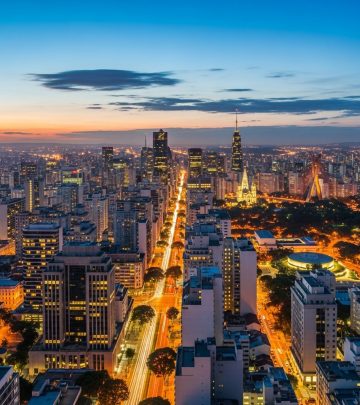
Montevideo seamlessly weaves the old and new, urban energy with coastal calm. Its attractions offer a cross-section of Uruguayan history, art, food, and daily life—a city that invites both discovery and relaxation. Whether wandering historic neighborhoods or sunning on sandy shores, Montevideo promises a memorable adventure with warm hospitality and a welcoming spirit.