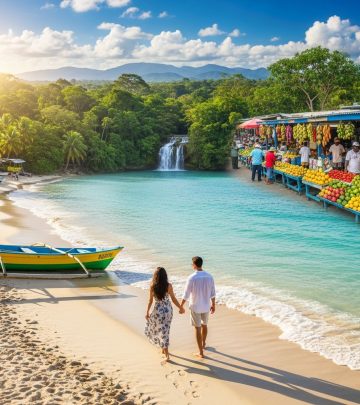
11 Mistakes Travelers Should Never Make in Costa Rica
From respecting wildlife to sensible planning, uncover essential Costa Rica travel tips to ensure your trip is unforgettable for the right reasons.

Costa Rica’s legendary beauty, lush rainforests, rich wildlife, and laid-back culture make it a premier travel destination. Yet, even seasoned travelers can stumble into costly blunders that lessen the trip’s magic or, worse, cause harm or disrespect to the local environment and community. To help ensure your Costa Rican journey is as smooth as possible, here are 11 critical mistakes you should never make—plus practical advice for every adventurer.
1. Don’t Underestimate Nature – Be Prepared for the Outdoors
Costa Rica is revered for its wilderness, but its natural beauty often comes with surprises. Many travelers find themselves ill-equipped for conditions that swing from pouring rain to sharp sun, or the jungle’s thick humidity.
- Always pack appropriate clothing—including a reliable rain jacket, quick-dry attire, and sturdy hiking shoes. The weather, especially during the rainy season (May–November), can change suddenly and dramatically.
- Bring waterproof gear for electronics and important documents. Sudden storms are common, especially in rainforest areas.
- Don’t forget warmer clothing if you plan to visit high-altitude regions like Monteverde or Bajos del Toro—nights can be surprisingly chilly.
Proper preparation for Costa Rica’s climate ensures you can enjoy all adventures without suffering preventable discomfort or damage to your belongings.
2. Don’t Assume It’s Cheap – Watch Out for Pricey Surprises
Many visitors equate ‘Central America’ with inexpensive travel, but Costa Rica can surprise with costs, particularly in tourist hotspots and national parks.
- Expect higher prices on food, accommodations, and activities in popular destinations like Manuel Antonio, Arenal, and Tamarindo.
- Restaurants with English menus or located near main tourist sights often have significant mark-ups. Seek local sodas (small family-run eateries) for authentic and affordable food.
- Be wary of tourist-targeted shops and souvenir sellers, especially near major attractions—they usually charge premium rates.
Budget a bit more generously and avoid sticker shock by researching the cost of activities and meals in advance.
3. Don’t Feed or Disturb Wildlife
One of Costa Rica’s treasured assets is its incredible biodiversity. However, increasing tourism pressure leads some travelers to inadvertently disturb or harm local fauna.
- Never feed wild animals. Feeding monkeys, raccoons, or birds disrupts natural behavior and can endanger both wildlife and humans.
- Avoid selfies with animals or touching them. Even well-intentioned interactions can increase stress on wildlife, spread disease, or provoke aggression.
- Be especially mindful in national parks and reserves—observe from a distance and let wildlife stay wild.
Being a responsible traveler protects Costa Rica’s rare ecosystems and the species you came to see.
4. Don’t Forget About the Rainy Season
The tropical climate means certain months bring heavy rainfall. While the ‘green season’ is beautiful, it can disrupt outdoor plans.
- The rainy season (typically May to November) brings daily afternoon storms that can wash out roads, flood trails, and cause delays.
- Some tours and destinations, particularly on the Nicoya Peninsula or Osa Peninsula, may have limited facilities or even close during wetter months.
- Packing waterproof layers, dry bags, and quick-dry clothing is vital—don’t leave home without them.
Know what weather to expect for your chosen region and season, and plan alternate activities just in case.
5. Don’t Neglect Personal Safety and Travel Security
While Costa Rica is considered one of the safest countries in Central America, petty theft does occur—especially in densely toured areas.
- Never leave valuables in plain sight, especially in parked vehicles at trailheads or beaches.
- Use hotel safes or lock your luggage, and only carry necessities on daily trips.
- Be cautious when using ATMs and let your bank know about travel plans before departure to prevent card blocks.
- Don’t walk alone late at night, especially in urban centers or deserted beaches.
Simple precautions go a long way to ensuring your trip is as safe as it is memorable.
6. Don’t Rely Solely on English
Though many Costa Ricans working in hospitality speak English, not everyone outside the tourist circuit does.
- Learn basic Spanish phrases, especially for transportation, emergencies, and ordering food.
- Politeness goes a long way—greet with “Hola“, say “Por favor” and “Gracias“. Locals appreciate your effort to speak their language.
- Some rural areas may only have Spanish signage—translate ahead of time or use a language app offline.
This simple step fosters goodwill and can enrich your travel experience considerably.
7. Don’t Ignore Road and Driving Challenges
Driving in Costa Rica can be an adventure—sometimes not the kind you’d planned.
- Many regional roads, especially towards popular nature spots, are unpaved and can become impassable during rain.
- Expect winding mountain roads, sudden potholes, occasional landslides, and unexpected livestock crossings.
- Night driving is generally not recommended: poor visibility, minimal lighting, and sharp drops make it dangerous.
- Renting a 4×4 is advisable for certain destinations—always confirm your route and vehicle suitability before you travel.
If you’re not comfortable with local road conditions, research reputable drivers or use reliable public transport where available.
8. Don’t Expect Fast Service or Punctuality
Time flows differently in Costa Rica—often in line with the nation’s famous ethos of pura vida (the pure life).
- Restaurants, transport services, and tours may not run precisely on schedule. Allow extra time in your itinerary, especially for transfers.
- Enjoy the slower pace—relax and adapt rather than stress over delays.
- This relaxed approach is deeply rooted in the culture, so try to embrace it as part of the experience.
“Tico time” isn’t laziness, but a reflection of Costa Rica’s calm, unhurried way of life.
9. Don’t Overlook Local Culture and Customs
Respect for Costa Rica’s culture is highly valued by locals and foundational for meaningful travel.
- Dress modestly in small towns, community areas, and religious sites—beachwear is for the beach.
- Always ask before photographing people, especially in rural or indigenous areas.
- Be polite and friendly—Costa Ricans, or “Ticos,” are famously welcoming as long as respect is mutual.
Your behavior is a reflection of how other travelers will be welcomed. Set a good example for those who follow in your footsteps.
10. Don’t Plan Too Tightly—Respect the Country’s Pace
Trying to cram too many activities into each day or planning to “see it all” can backfire. Costa Rica’s travel distances may seem short on the map but travel time is often longer than anticipated.
- Allow at least a half-day buffer between major excursions or transfers.
- Try not to book back-to-back tours or flights; unforeseen conditions, such as weather or road closures, may result in delays.
- Build downtime into your schedule—soaking in a hot spring, watching a sunset, or chatting with locals are memories you’ll treasure.
Embracing a slower pace leads to a richer and more relaxed travel experience.
11. Don’t Book Last-Minute in Peak Seasons
Costa Rica’s popularity means hotels and tours fill up months in advance—especially during dry season (December to April) and major holidays.
- Book accommodations and popular activities at least 6–12 months ahead for holiday periods or school vacations.
- Be flexible with your travel dates if possible to avoid disappointment and get better rates.
- Consider less crowded regions or shoulder seasons for more availability and peaceful explorations.
Proactive planning guarantees a place at the table—and the best trip possible.
Frequently Asked Questions (FAQs)
Q: Is Costa Rica safe for solo travelers?
A: Generally yes, especially in tourist regions, but remain vigilant against petty theft and take care at night or in remote areas—just as you would elsewhere abroad.
Q: Will I need cash, or can I use cards everywhere?
A: Most places accept credit cards, but you’ll need cash for local buses, tolls, small eateries (called ‘sodas’), and remote areas. US dollars are widely accepted, but always carry some Costa Rican colones.
Q: What’s the best way to avoid crowds at popular sites?
A: Arrive as soon as attractions open—usually between 7-8am—or visit during lunchtime when many group tours are on break. Early arrivals mean quieter trails and better wildlife sightings.
Q: How can I travel sustainably in Costa Rica?
A: Prioritize eco-certified lodges, support local businesses, avoid single-use plastics, never disturb wildlife, and be mindful of water and energy use. Sustainability is central to the Costa Rican ethos and enhances your own experience.
Q: Are there any particular clothing or gear recommendations for women traveling alone?
A: Wear comfortable, non-revealing clothes in rural communities, bring a headlamp, insect repellent, and a whistle for hiking, and always keep copies of key documents separate from originals for extra safety.
Summary Table: Costliest Mistakes to Avoid in Costa Rica
| Mistake | Consequence | Tip to Avoid |
|---|---|---|
| Poor preparation for weather | Uncomfortable days, ruined gear | Pack waterproofs and layers, research climate |
| Disturbing wildlife | Animal harm, fines, or injury | Keep your distance and don’t feed animals |
| Expecting low prices everywhere | Overspending or budget strain | Research costs, seek local alternatives |
| Late bookings in peak season | Sold-out options, higher prices | Book accommodation and tours early |
| Attempting too much, too quickly | Missed opportunities, stress | Build flexibility and downtime into your plan |
Key Takeaways Before Visiting Costa Rica
- Pack smart for nature’s unpredictable moods.
- Respect wildlife—observe but never disturb.
- Budget realistically—expect higher prices in major tourist areas.
- Travel with humility—value local culture, customs, and language.
- Book early and remain flexible—especially for peak travel times.
- Savor the slower pace—”pura vida” is a way of life, not just a slogan.
By keeping these tips in mind, your Costa Rica trip will be remarkable for all the right reasons, leaving you with stunning memories and a deep respect for one of the world’s natural wonders.