10 Fascinating Facts You Didn’t Know About Puerto Rico
Uncover the unique history, culture, and natural marvels that make Puerto Rico an extraordinary Caribbean destination.

Puerto Rico—a vivid tapestry of culture, nature, and history—offers far more than picturesque beaches and island breezes. From centuries-old traditions and unique geographical quirks to a distinct political identity, this Caribbean gem is packed with surprises. Here are ten fascinating facts that reveal the extraordinary spirit of Puerto Rico.
1. Puerto Rico Isn’t an Independent Country—But Its Identity Is Unique
While many assume Puerto Rico is a sovereign nation, it’s actually an unincorporated territory of the United States. Acquired in 1898 following the Spanish-American War, Puerto Rico has had a complex relationship with the U.S. ever since. Its residents are U.S. citizens by birth, but they cannot vote in presidential elections unless they reside on the mainland. Despite this political status, Puerto Rico has fiercely preserved its own distinct culture, language (Spanish is dominant), and vibrant island identity.
- Political status: Unincorporated U.S. territory since 1898.
- Citizenship: U.S. citizens, but limited federal representation.
- Official languages: Spanish and English (Spanish is far more widely spoken).
2. The Island’s Name Carries a Rich Legacy
The name “Puerto Rico” means “Rich Port” in Spanish. Originally, the island was called Borikén (or Borinquen) by its indigenous Taíno inhabitants, meaning “the land of the valiant and noble Lord.” When the Spanish arrived, they named the main city Puerto Rico and the island San Juan. Over time, these names swapped; today San Juan is the capital, and Puerto Rico is the island—but the Taíno name and spirit linger in local culture and identity.
- Borikén/Borinquen: Still commonly used in poetry, music, and by locals to refer to the island.
- San Juan: The capital, with colonial architecture and a UNESCO-listed old town.
3. The World’s Largest Radio Telescope Once Stood in Puerto Rico
For decades, Puerto Rico was home to the legendary Arecibo Observatory, once the world’s largest single-aperture radio telescope. Completed in 1963 and nestled in a limestone sinkhole near Arecibo, the observatory played key roles in countless scientific discoveries, including research on asteroids, planets, and deep space signals. It also helped detect the first binary pulsar—a discovery that was awarded the Nobel Prize in Physics. The facility sadly collapsed in 2020, but its scientific legacy continues to inspire.
- Scientific contributions: Astronomy, atmospheric science, and radar observation.
- Popular culture: Featured in films including GoldenEye and Contact.
4. Home to the Only Tropical Rainforest in the U.S. Forest System
El Yunque National Forest is the only tropical rainforest managed by the United States Forest Service. Covering nearly 29,000 acres, it is a lush haven of waterfalls, rare flora, and indigenous wildlife, many of which aren’t found anywhere else on the planet. Trails wind through misty mountains, and the forest receives more than 200 inches of rain each year—nourishing hundreds of plant species, including giant tree ferns and towering tabonuco trees.
- Unique ecosystem: Hundreds of endemic species, such as the coquí frog and Puerto Rican parrot.
- Tourism highlight: Waterfalls, hiking, and panoramic views from Mount Britton Tower.
5. Puerto Rico’s Culture Is a Vibrant Blend
The island’s culture intertwines Taíno, African, and Spanish influences, resulting in a heritage as colorful as its landscape. The original Taíno people left their legacy in place names, indigenous words, and cultural symbols. Spanish colonization shaped language, religion (predominantly Roman Catholic), art, and colonial architecture—especially visible in Old San Juan. African slaves, brought to Puerto Rico during the colonial era, contributed rich musical rhythms, dance, and culinary traditions, notably in salsa and bomba music styles and iconic dishes like mofongo.
- Languages: Spanish and English, but daily life runs primarily in Spanish.
- Festivals: San Sebastián Street Festival, Carnaval Ponceño, and patron saint fiestas.
- Music & dance: Salsa, bomba, plena, reggaetón.
6. It’s a Surfer and Beach Lover’s Paradise
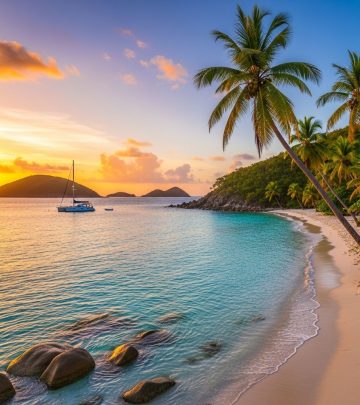
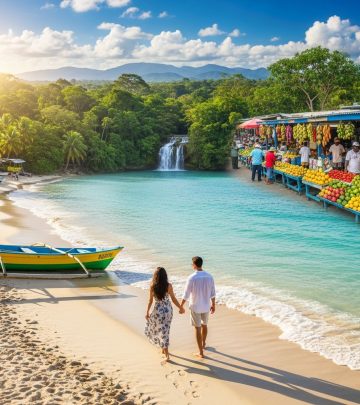
With more than 270 miles of coastline and some 300 beaches, Puerto Rico regularly ranks among the world’s top surf and beach destinations. The northwest town of Rincón attracts surfers from across the globe, especially in winter when waves rise to impressive heights. But there’s a beach for everyone, from the stunning pinkish sands of Playa Flamenco on the island of Culebra to quiet, palm-fringed coves perfect for a peaceful retreat.
- Surfing hotspots: Rincón, Isabela, Aguadilla.
- Snorkeling & diving: Vieques (and its bioluminescent bays), Culebra, Desecheo Island.
7. Bioluminescent Bays Make for Enchanted Nights
Paddle into one of Puerto Rico’s magical bioluminescent bays at night and you’ll see the water light up with every stroke. This phenomenon is caused by microscopic dinoflagellates that emit a blue-green glow when disturbed. Three of the world’s five bioluminescent bays are found in Puerto Rico:
- Laguna Grande (Fajardo)
- Mosquito Bay (Vieques)—officially the brightest in the world
- La Parguera (Lajas)
Gliding through this glowing water under the stars ranks among the Caribbean’s most mesmerizing experiences.
8. The Island’s Coffee and Rum Are Renowned
Proudly called the Rum Capital of the World, Puerto Rico produces approximately 70% of the rum consumed in the U.S. Legendary brands like Bacardí and Don Q have their roots here, and sampling aged rums is a must for any visitor.
The island’s mountainous interior, meanwhile, is ideal for cultivating lush, aromatic coffee. Puerto Rican coffee has enjoyed global acclaim for over a century, supplying royal courts and European elites in the 19th century and continuing to win accolades today.
- Famous rums: Bacardí, Don Q.
- Best coffee regions: Yauco, Adjuntas, Jayuya.
9. Puerto Rico Has Its Own Olympic Team and National Pride
Despite being a U.S. territory, Puerto Rico has its own Olympic team and has consistently participated under its own flag since the 1948 Summer Games. The island takes great pride in its athletic achievements, including Monica Puig’s gold medal in tennis (2016) and Javier Culson’s bronze in track and field (2012). Puerto Ricans passionately support their athletes—emphasizing a sense of national identity that transcends political boundaries.
- Olympic debut: 1948 (London)
- Notable medals: Tennis gold (2016), boxing medals, track and field bronze (2012).
10. You Don’t Need a Passport (If You’re a U.S. Citizen)
Travelers from the mainland United States can visit Puerto Rico without a passport, as inter-island travel is considered domestic. This makes it a hassle-free international-feel destination for Americans who want beautiful beaches, rich culture, and Caribbean warmth without the border formalities. However, international travelers will need to follow the same entry requirements as for the U.S. mainland.
- Currency: U.S. dollar.
- Travel for U.S. citizens: No passport required; direct flights widely available.
The Rich Tapestry of Puerto Rican Culture
Packed into its small size, Puerto Rico’s culture is an extraordinary blend of history, resilience, and creative expression. Whether you’re wandering historic San Juan streets, marveling at rainforest waterfalls, savoring a cup of mountain coffee, or dancing to bomba drums, you’re immersed in a society shaped by centuries of change yet uniquely its own.
Quick Table: Puerto Rico At a Glance
| Fact | Details |
|---|---|
| Official Status | U.S. unincorporated territory |
| Capital City | San Juan |
| Population | ~3.3 million (2025 estimate) |
| Official Languages | Spanish & English |
| Main Currency | U.S. dollar (USD) |
| Famous For | Beautiful beaches, rainforests, rum, music, bioluminescent bays |
Frequently Asked Questions (FAQs)
Q: Is Puerto Rico safe for tourists?
A: Yes, Puerto Rico is generally safe for tourists. Like in any destination, it’s best to take standard precautions, avoid poorly lit areas at night, and secure valuables.
Q: What is the best time to visit Puerto Rico?
A: The best time is December to April for ideal weather and vibrant festivals, but May to November can also be enjoyable, though it’s hurricane season.
Q: Do people in Puerto Rico speak English?
A: While Spanish is the dominant language, many Puerto Ricans, especially in urban and tourist areas, speak English well.
Q: What is Puerto Rico’s most famous food?
A: Classic dishes include mofongo (mashed plantains), arroz con gandules (rice with pigeon peas), roast pork, and sweet desserts like tembleque (coconut pudding).
Q: Can I use U.S. dollars in Puerto Rico?
A: Yes, the U.S. dollar is the official currency on the island.