Managing Pubic Bone Pain During Pregnancy: Causes, Relief, and Support
Understanding, managing, and seeking relief from pubic bone pain (SPD/PGP) throughout pregnancy with practical tips and expert insights.

For many expectant parents, pregnancy brings not only joy and anticipation but also unexpected aches and discomforts. One commonly overlooked but often distressing issue is pubic bone pain, clinically referred to as Symphysis Pubis Dysfunction (SPD) or Pregnancy-related Pelvic Girdle Pain (PGP). This guide provides a comprehensive look at the causes, symptoms, risk factors, and evidence-based strategies to manage and relieve pubic bone pain during pregnancy.
What Is Pubic Bone Pain in Pregnancy?
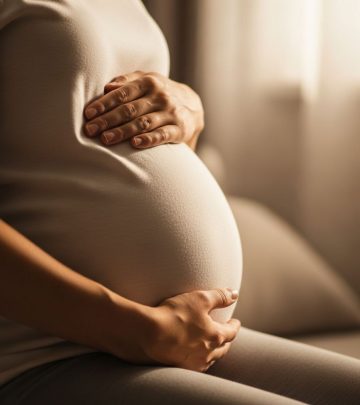
Pubic bone pain refers to discomfort or pain in the region of the pelvis, specifically at the symphysis pubis—the joint connecting the left and right pelvic bones at the front of your pelvis. During pregnancy, this area is subject to substantial changes, which can result in varying degrees of pain and disability for some individuals.
Two main clinical terms used to describe this pain are:
- Symphysis Pubis Dysfunction (SPD): Pain and dysfunction specifically at the pubic symphysis joint.
- Pregnancy-related Pelvic Girdle Pain (PGP): Broader pain or discomfort associated with the joints of the pelvic girdle, including SPD.
Pubic bone pain in pregnancy is common, affecting between 1 in 4 and 1 in 5 pregnant people, ranging from mild aches to disabling pain. Although the pain can be challenging, with the right management and professional support, most people find relief, especially after delivery .
What Does Pubic Bone Pain Feel Like?
Pubic bone pain presents uniquely for each individual, but common descriptors include:
- Aching, sharp, or stabbing pain in the front of the pelvis, level with the hips.
- Pain radiating to the groin, lower back, hips, inner thighs, or perineum (area between the vagina and anus).
- A grinding, clicking, or popping sensation within the pelvis, particularly during movement.
- Tenderness when pressing on or near the pubic bone.
- Worsening pain with specific physical activities such as:
- Walking
- Climbing stairs
- Repositioning in bed
- Standing on one leg (e.g., getting dressed)
- Getting in or out of a car or bed
- Lifting one leg or moving legs apart
The intensity of SPD/PGP can fluctuate throughout pregnancy and may noticeably worsen as pregnancy advances and the pelvic area is subjected to greater strain .
What Causes Pubic Bone Pain During Pregnancy?
Pubic bone pain and pelvic girdle pain in pregnancy are often due to a combination of hormonal and mechanical changes:
- Hormonal changes: The pregnancy hormone relaxin increases ligament flexibility in the pelvic region to prepare the body for childbirth. This increased flexibility can lead to instability or uneven movement in the pelvic joints, particularly at the symphysis pubis.
- Mechanical strain: As pregnancy progresses, the weight of the growing baby, changes in posture, and a shifting center of gravity all increase pressure on the pelvis and lower back, contributing to joint misalignment and pain.
- Other factors: Previous injuries, pelvic surgeries, muscle weakness, or inherent joint hypermobility may further increase susceptibility to pubic bone pain during pregnancy.
While some pain is a normal part of pregnancy, not everyone experiences significant pubic bone pain. The cause is often multifactorial and sometimes remains unclear .
Who Is at Risk for Pubic Bone Pain and PGP?
Certain factors can heighten your risk for developing pubic bone pain or PGP during pregnancy. These include:
- History of back or pelvic pain, including previous PGP
- Prior pelvic injury or surgery
- Being overweight (high BMI)
- Having physically demanding work
- Multiple pregnancies (multiparity)
- Pre-existing joint hypermobility (e.g., hypermobility syndrome)
While the presence of these factors increases risk, pubic bone pain can still develop in their absence. Early recognition of symptoms often leads to better outcomes through early intervention .
When Does Pubic Bone Pain Start in Pregnancy?
PGP or SPD often begins in the second or third trimester, but can occur earlier, sometimes as soon as the first trimester. Those with a history of pelvic or back pain may notice symptoms even sooner or find they worsen more quickly than in previous pregnancies. For many, the discomfort intensifies as pregnancy progresses and physical demands on the pelvis increase .
How Is Pubic Bone Pain Diagnosed?
Diagnosis relies primarily on a description of symptoms combined with a physical examination.
- Your healthcare provider or physiotherapist will ask about the location, type, and triggers of your pain.
- They may gently palpate the pelvis, hips, and groin, and observe how you move or stand.
- Imaging (like ultrasound or x-rays) is rarely needed unless another underlying cause is suspected.
If you are experiencing disabling pain, difficulty with movement, or mental health challenges related to pelvic pain, inform your doctor, midwife, or physiotherapist promptly. Early intervention brings the best chance of minimizing symptoms and maintaining quality of life .
Symptoms to Watch For
Common symptoms of pubic bone pain and PGP during pregnancy include:
- Pain in the center, front of the pelvis over the pubic bone
- Aching in the lower back or buttocks
- Discomfort radiating to the groin or thighs
- Clicking, grinding, or popping when moving the legs apart
- Difficulty with walking, climbing stairs, or sexual intercourse
- Tenderness to touch over the pubic area
- Swelling around the pubic symphysis (in severe cases)
- Increased pain with prolonged activity or standing on one leg
Rarely, severe cases can interfere with bladder or bowel movements, signal worsening fatigue, or contribute to emotional distress due to chronic pain .
Is Pubic Bone Pain During Pregnancy Harmful?
The good news is that pubic bone pain is not harmful to your baby. However, for the birthing parent, it can greatly impact mobility, sleep, and emotional wellbeing. Without appropriate management, the disruption can affect daily living and quality of life. Seeking early treatment is important to prevent worsening pain and potential complications .
How Can You Find Relief from Pubic Bone Pain in Pregnancy?
There is no universal cure for pubic bone pain during pregnancy, but a range of management strategies can provide significant relief:
Self-Help Strategies
- Modify your movements: Keep your knees together when getting in or out of bed, a car, or chairs. Sit before dressing, and avoid single-leg standing.
- Avoid triggers: Reduce activities that worsen pain, such as stairs, heavy lifting, or long walks.
- Posture awareness: Stand and sit straight, and avoid crossing your legs or slumping.
- Pace yourself: Take regular breaks, use supportive chairs, and ask for help with strenuous activities.
Professional Treatments
- Physiotherapy: A physiotherapist specializing in pelvic health can teach strengthening exercises and safe movement strategies.
- Pelvic support belts: These maternity support belts provide gentle compression to stabilize the pelvis during activity.
- Mobility aids: Crutches or a walker may be recommended for severe cases to offload pressure on the pelvis.
- Soft tissue therapies: Techniques like massage, targeted stretching, and heat therapy may offer temporary relief.
Tips for Daily Living
- Sleep with a pillow between your knees for extra support.
- Try not to stand on one leg (when getting dressed, sit down).
- Avoid heavy lifting and twisting motions.
- Wear flat, supportive shoes to improve stability.
Emotional Support
- Seek reassurance: Acknowledge your discomfort and communicate your challenges to loved ones and healthcare providers.
- Practice self-compassion: Rest is sometimes the best medicine. Accept your current limits as temporary adaptations.
Most people experience a rapid reduction or complete resolution of pain after delivery when hormone levels stabilize and the physical stresses on the pelvis are relieved. If pain persists for more than a few months postpartum, consult your healthcare provider for follow-up and rehabilitation options .
When Should You Call Your Doctor or Midwife?
Contact your maternity care team if you experience any of the following:
- Severe pain that restricts movement or daily activities
- Pain when turning in bed, climbing stairs, or getting out of a car/chair
- Numbness or loss of sensation in the pelvic region
- Confusion about how to manage pain or maintain independence
- Changes in bladder or bowel control
- Emotional distress, anxiety, or depression linked to chronic pain
Early intervention may reduce the need for more intensive treatments later. Your healthcare provider may refer you to a physiotherapist or pelvic health specialist for assessment and advice .
Can You Have a Vaginal Birth with Pubic Bone Pain?
Most individuals with PGP or SPD can still plan for and achieve a vaginal delivery. Inform your midwife or obstetrician about your diagnosis so that birth positions can be adapted to minimize discomfort and strain on your pelvis. A personalized birth plan may include:
- Positions that keep your knees together
- Minimizing excessive leg separation
- Pain-relief options and gentle mobility aids for labor
Severe cases are rare, but a small number may require alternative birth methods under expert care .
Frequently Asked Questions (FAQs) About Pubic Bone Pain in Pregnancy
Q: How long does pubic bone pain last during pregnancy?
A: Symptoms often improve or resolve after delivery as hormone levels and pelvic alignment return to normal. However, recovery times vary: some women notice immediate relief, while others may need postpartum physiotherapy for lingering discomfort.
Q: Will pubic bone pain harm my baby?
A: No, PGP/SPD impacts only the birthing parent’s comfort and mobility. The condition does not pose a risk to the developing baby.
Q: What can I do at home to ease pelvic pain?
A: Simple adjustments—such as keeping knees together, using pillows for support, wearing supportive shoes, and avoiding movements that aggravate pain—are helpful. Consult a physiotherapist for tailored exercises and support strategies.
Q: Should I stop exercising because of pelvic pain?
A: Moderate, low-impact physical activity (like swimming, prenatal yoga, or gentle walking) is usually safe and encouraged. Avoid exercises that cause pain, and always check with your healthcare provider before starting or modifying any fitness routine.
Q: Is there a cure for SPD/PGP during pregnancy?
A: No single cure exists, but most people experience significant improvement with physical therapy, daily activity adjustments, support aids, and rest. Symptoms generally resolve after childbirth.
Tips for Support and Preparation
- Share your needs with family and friends so they can assist with household or daily tasks.
- Plan rest periods throughout your day to avoid overexertion.
- Use public or workplace accommodations (e.g., elevator use, special seating) when possible.
- Stay connected to your care team for check-ins about your symptoms and mental wellbeing.
Summary Table: Pubic Bone Pain in Pregnancy
| Aspect | Description |
|---|---|
| Alternate Names | Symphysis Pubis Dysfunction (SPD), Pelvic Girdle Pain (PGP) |
| Common Symptoms | Pain in pubic area, lower back, hips, thighs; clicking/grinding in pelvis; pain with movement |
| Main Causes | Hormonal changes (relaxin), joint instability, mechanical strain |
| Risk Factors | History of pelvic/back pain, high BMI, multiple pregnancies, past injury, demanding work |
| Relief Strategies | Exercise, physiotherapy, pelvic support belts, lifestyle adjustments |
| Impact on Pregnancy | Affects daily comfort and mobility, does not harm baby |
| Prognosis | Usually improves after birth with proper management |
Final Thoughts
Pubic bone pain, or Symphysis Pubis Dysfunction, is a common challenge during pregnancy that can severely affect comfort and day-to-day functioning. By understanding the causes, symptoms, risk factors, and proven management strategies, you can advocate for your wellbeing and seek the support you deserve. Open communication with healthcare professionals and loved ones is crucial for navigating pregnancy with greater ease, confidence, and comfort.