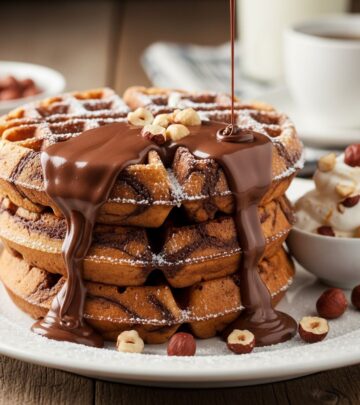
Homemade Pancakes Without Milk Recipe
Master the art of making fluffy pancakes without milk using simple pantry staples

Homemade Pancakes Without Milk: A Simple Solution for Saturday Breakfasts
Saturday mornings are meant for pancakes, especially when you have a family of hungry pancake lovers at your breakfast table. While store-bought pancake mixes offer convenience, there’s something truly special about making pancakes from scratch. However, one common challenge that home cooks face is discovering they’re out of milk at precisely the moment they want to whip up a batch of fluffy pancakes. Whether you’re dealing with a shortage of milk at your house or you’re looking for a dairy-free option, the solution is simpler than you might think. This easy homemade pancake recipe without milk has become a staple in many households, proving that you don’t need traditional dairy ingredients to create breakfast perfection.
Can You Really Use Water Instead of Milk in Pancakes?
The short answer is yes, but it requires a bit of strategy. Many home cooks wonder whether they can simply swap water for milk and expect the same delicious results. The reality is that milk serves a dual purpose in traditional pancake recipes: it adds both flavor and texture to the batter. When you remove milk from the equation, you’re losing those key components that contribute to the overall taste and consistency of your pancakes.
When making pancakes without milk, simply replacing it with water alone will result in bland, flavorless pancakes that lack the richness of traditional recipes. To overcome this challenge and create pancakes that are just as delicious as their milk-containing counterparts, you need to introduce flavor through other ingredients. The most effective way to do this is by adding melted butter and vanilla extract to your batter. These two ingredients work together to compensate for the missing milk, infusing your pancakes with warmth, depth, and that irresistible vanilla flavor.
Beyond just butter and vanilla, you have endless opportunities to enhance your milk-free pancakes with creative mix-in ingredients. A handful of chocolate chips adds indulgent richness, while blueberries bring natural sweetness and tartness. Chopped nuts provide textural contrast and nutritional value, and sliced bananas offer both flavor and moisture. These additions not only improve the taste but also make your pancakes more interesting and nutritionally complete.
The Essential Ingredients You’ll Need
Creating fluffy, delicious pancakes without milk requires just a handful of basic ingredients that you likely already have in your kitchen. Here’s what you’ll need to gather before you begin:
Dry Ingredients:
- 1½ cups all-purpose flour – the foundation of your pancakes
- 1 tablespoon granulated white sugar – adds sweetness and helps browning
- 2 teaspoons baking powder – creates lift and fluffiness
- ½ teaspoon salt – enhances all flavors and prevents sweetness overload
Wet Ingredients:
- 1¼ cups water – replaces the milk
- 1 egg – binds ingredients and adds structure
- 2 tablespoons melted butter – adds flavor and richness
- 1 teaspoon vanilla extract – provides warmth and depth of flavor
For Cooking:
- 1 tablespoon butter and 1 tablespoon oil – for cooking your pancakes on the griddle
Step-by-Step Instructions for Perfect Milk-Free Pancakes
Making homemade pancakes without milk is straightforward and requires minimal equipment and effort. Follow these simple steps to achieve pancake perfection:
Step 1: Combine Your Dry Ingredients
In a medium-sized mixing bowl, whisk together the flour, sugar, baking powder, and salt. Whisking these ingredients together ensures that the baking powder is evenly distributed throughout the flour, which is crucial for achieving consistent rise and fluffiness in every pancake. Make sure there are no lumps in your mixture.
Step 2: Mix Your Wet Ingredients
In another bowl or directly into your dry ingredients, combine the water, vanilla extract, egg, and 2 tablespoons of melted butter. Make sure the butter is melted but not too hot, as this could cook your egg. Stir these wet ingredients until they are well combined with your dry ingredients. The consistency should be slightly thick and pourable, with some small lumps remaining.
Step 3: Prepare Your Cooking Surface
In a non-stick pan or griddle, heat 1 tablespoon of butter and 1 tablespoon of oil over medium to medium-low heat. The combination of butter and oil is important here: the butter provides flavor while the oil prevents sticking and allows you to achieve beautifully crispy edges on your pancakes.
Step 4: Cook Your Pancakes
Once the butter has completely melted and your pan is hot, pour the batter into ⅓ to ½ cup portions. If your pan is large enough, you can cook multiple pancakes at once. Watch carefully as your pancakes cook. The edges will gradually become set, and you’ll notice the centers begin to bubble. This bubbling is your signal that it’s time to flip.
Step 5: Flip and Finish Cooking
Once the edges are set and the centers are bubbling, use a spatula to gently work underneath each pancake and flip it over to cook the other side. The second side will cook faster than the first side, usually requiring only one to two minutes. Cook until golden brown.
Step 6: Continue the Process
Repeat this cooking process until all your batter is transformed into delicious pancakes. Remember to add a little more oil to your pan if you notice the pancakes beginning to stick. Adding a bit of fresh oil between batches also helps create those slightly crispy edges that many pancake enthusiasts love.
Making Your Pancakes Extra Special
While the basic recipe is delicious on its own, you can easily elevate your milk-free pancakes by adding mix-in ingredients directly to your batter. Before cooking, fold in ½ cup of your favorite add-ins. Some popular options include:
- Chocolate chips for an indulgent breakfast treat
- Fresh or frozen blueberries for burst of freshness
- Chopped nuts like pecans or walnuts for crunch and nutrition
- Mashed banana for natural sweetness and moisture
These additions not only enhance flavor but also provide different nutritional benefits. Blueberries add antioxidants, nuts provide healthy fats and protein, and banana adds potassium and natural sweetness without requiring additional sugar.
Serving Your Homemade Pancakes
Once you’ve mastered the recipe, it’s time to think about how to serve these delicious pancakes to your family. The traditional approach is to serve your warm pancakes with a generous pat of butter, a drizzle of pure maple syrup, and fresh fruit on the side. However, your options extend far beyond this classic combination.
For a protein-rich breakfast, pair your pancakes with soft scrambled eggs and turkey bacon. If you’re in a more decadent mood, spread a generous layer of peanut butter between two pancakes for a truly satisfying treat. Whipped cream and fresh berries create an elegant presentation perfect for weekend entertaining. Some people even enjoy savory pancakes by omitting the sugar and adding herbs and cheese to the batter.
Frequently Asked Questions About Milk-Free Pancakes
Q: What can I use if I don’t have all-purpose flour?
A: You can substitute with other flour types like whole wheat flour, spelt flour, or even almond flour for a lower-carb option. Keep in mind that different flours absorb liquid differently, so you may need to adjust the water slightly to achieve the right batter consistency.
Q: Can I make this recipe vegan?
A: Yes! Replace the egg with a flax egg (1 tablespoon ground flaxseed mixed with 3 tablespoons water) or applesauce, and use dairy-free butter or coconut oil instead of regular butter. Your pancakes will be just as fluffy and delicious.
Q: How do I know when to flip my pancakes?
A: The best indicator is when you see bubbles forming across the surface of the pancake and the edges look set and slightly dry. Insert a spatula at the edge and check that the bottom is golden brown before flipping.
Q: Can I make the batter in advance?
A: It’s best to use the batter immediately after mixing. However, you can prepare the dry ingredients in advance and store them in an airtight container. Mix with wet ingredients just before cooking for the best results.
Q: Why are my pancakes turning out dense?
A: Dense pancakes usually result from overmixing the batter or using old baking powder. Mix your wet and dry ingredients until just combined, leaving small lumps. Also verify that your baking powder hasn’t expired.
Q: Can I double this recipe?
A: Absolutely! Simply double all the ingredients. The cooking method remains the same. A doubled batch makes approximately 12-16 pancakes depending on size.
Why This Recipe Works Without Milk
Understanding the science behind why this recipe works without milk helps you become a more confident cook. Milk in traditional pancake recipes serves as a liquid component and adds lactose, which slightly sweetens the batter. In this recipe, water provides the necessary liquid for the flour to hydrate and create the batter structure. The granulated sugar compensates for the lost sweetness, and the melted butter and vanilla extract provide the flavor complexity that milk would have contributed.
The baking powder reacts with the liquid to create carbon dioxide bubbles, which get trapped in the batter and create that light, fluffy texture we all crave. The egg provides structure and helps bind all the ingredients together while also contributing to the browning process through the Maillard reaction.
Tips for Success Every Time
To ensure your milk-free pancakes turn out perfectly every time, keep these helpful tips in mind. First, always use a non-stick pan or well-seasoned griddle for easy flipping and minimum sticking. Second, resist the urge to press down on your pancakes while they cook—this squeezes out all the air and results in dense pancakes. Third, keep cooked pancakes warm by placing them on a plate in a 200°F oven while you finish cooking the remaining batter.
Pay attention to your heat level as well. Medium to medium-low heat allows the pancakes to cook through properly without burning the outside. If your first pancake doesn’t turn out perfectly, consider it a test pancake to help you adjust timing and heat for the remaining batches. Most experienced pancake makers find that once you’ve made that first test pancake, you understand exactly how many minutes each side needs.
Conclusion: No Milk? No Problem!
Running out of milk no longer needs to derail your weekend pancake plans. This simple, foolproof recipe proves that you can create delicious, fluffy homemade pancakes using just water, butter, vanilla, and basic pantry staples. Whether you’re dealing with an empty milk jug or you’re looking for dairy-free breakfast options, this recipe delivers consistent results that your whole family will love. The beauty of this approach is its versatility—you can keep the pancakes simple or dress them up with mix-ins and creative toppings. Start making these pancakes today and discover why so many families have made them a Saturday morning tradition.
References
- https://www.youtube.com/watch?v=Z4IoaUQzbmQ
- https://abeautifulmess.com/banana-and-chia-seed-blender-pancakes/
- https://abeautifulmess.com/homemade-pancakes-without-milk/
- https://www.scribd.com/document/807520874/Pancake-Recipe-Without-Milk-A-Beautiful-Mess
- https://abeautifulmess.com/pancakes/
- https://www.scribd.com/document/552573459/How-to-Make-Pancakes-without-Milk-Laura-Fuentes