
Mastering Pork Roulade: Techniques, Flavors, and Serving Inspiration
Explore the art of pork roulade, from selection and preparation to savory stuffing and elegant presentation for any occasion.
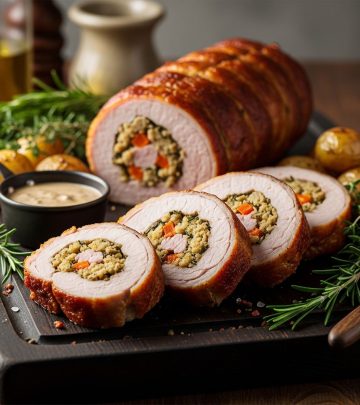
Pork Roulade: An Elegant Centerpiece for Every Table
The classic pork roulade is an impressive, yet approachable, dish that elevates the humble pork tenderloin into an artful presentation packed with savory flavor. With its origins in European cuisine, roulades are defined by meat rolled around flavorful fillings. This guide explores every step, from selecting the perfect tenderloin to mastering the rolling technique and creating the ideal vegetable stuffing.
What Is a Pork Roulade?
A pork roulade, or rolled pork, consists of a pork tenderloin that is butterflied, filled with a vibrant mixture—here mushrooms, olives, sun-dried tomatoes, breadcrumbs, parsley, and garlic—then rolled, tied, seared, and roasted. The result is a dish that showcases artistry and rich, balanced flavors with every slice.
Essential Ingredients for Pork Roulade
- Pork Tenderloin (about 1 1/2 pounds): The canvas for your filling; choose a fresh, evenly sized cut.
- Olive Oil (2 tablespoons, divided): For sautéing vegetables and searing the roulade.
- Shallots (2 large, minced): Provide sweetness and depth.
- Garlic (4 cloves, minced): Intensifies the savory profile.
- Portabella Mushroom (1 large, chopped): Adds earthiness and moisture to the mixture.
- Kosher Salt & Freshly Ground Black Pepper: Essential for seasoning.
- Sun-Dried Tomatoes (1/4 cup, chopped): Imparts tangy sweetness.
- Kalamata Olives (1/4 cup, chopped): Brings briny richness.
- Panko Breadcrumbs (1/4 cup): Absorb moisture and help bind the filling.
- Fresh Parsley (1/4 cup, chopped): Infuses brightness and color.
Step-by-Step Preparation Guide
- Preheat Oven: Set your oven to 375°F (190°C) to prepare for roasting.
- Cook the Filling:
- In a heavy-bottomed skillet, heat 1 tablespoon olive oil over medium-high heat. Add shallots and sauté until fragrant (about 2 minutes).
- Stir in garlic, cooking 30 seconds until aromatic. Add mushrooms, season with salt and pepper, and cook—stirring occasionally—for about 8 minutes until softened and browned.
- Transfer mushroom mixture to a bowl; mix in sun-dried tomatoes, olives, panko, and parsley. Stir well to combine.
- Butterfly and Flatten the Pork:
- Lay the tenderloin flat on a cutting board. Using a sharp knife, butterfly the loin lengthwise, cutting almost but not entirely through, so you can open it like a book.
- Cover with plastic wrap and pound to about ½-inch thickness with a meat mallet or rolling pin. Remove plastic wrap.
- Fill and Roll:
- Season the flattened pork with salt and pepper. Spread the vegetable mixture in the center, keeping about ½–1 inch clear around the edges.
- Carefully roll the pork shut, starting from one end, so the seam faces down.
- Secure with kitchen twine, tying every 2 inches and tucking ends for even cooking.
- Sear the Roulade:
- Heat remaining olive oil over medium-high in the skillet. Add the roulade seam-side down and sear for 4–5 minutes per side until browned all over.
- Roast: Transfer to a baking sheet and roast 20–25 minutes, until an internal temperature of 145°F (63°C) is reached.
- Rest, Slice, and Serve: Let the roulade rest for 10 minutes. Remove twine, then slice into 2-inch pieces for serving.
Expert Tips for Perfect Pork Roulade
- Buttering Tips: To butterfly the pork evenly, use a long, sharp knife and keep your hand flat above the meat for safety and best control.
- Pounding: Covering the pork with plastic wrap before pounding helps prevent tearing while ensuring an even surface.
- Twining: Kitchen twine ensures your roulade holds together, seals in filling, and promotes even cooking.
- Flavor Layering: Adjust mushrooms and olives to personal taste, or substitute with roasted peppers or spinach for a different twist.
- Resting Time: Resting post-roast preserves juiciness and makes slicing easier.
Variations and Customization Ideas
| Ingredient | Alternative | Flavor Notes |
|---|---|---|
| Portabella Mushroom | Cremini, button, or wild mushrooms | Earthy, robust |
| Kalamata Olives | Green olives, capers | Briny, tangy |
| Sun-Dried Tomatoes | Roasted red peppers | Sweet, piquant |
| Panko Breadcrumbs | Regular breadcrumbs, crushed nuts | Crunchy, nutty |
| Parsley | Basil, thyme, sage | Herby, aromatic |
Serving Suggestions
- Main Course Presentation: Present neatly sliced roulade on a platter, garnished with fresh herbs.
- Pairings: Serve alongside warm polenta, roasted potatoes, or a light green salad for balance.
- Wine Pairing: Choose medium-bodied reds (Pinot Noir, Sangiovese) or dry whites (Unoaked Chardonnay) for harmonious pairing.
Frequently Asked Questions (FAQs)
Q: Can I prepare pork roulade ahead?
A: Yes. Prepare and roll the roulade up to a day in advance, keep refrigerated, and bring to room temperature before searing and baking.
Q: How do I prevent the filling from leaking?
A: Even trussing with twine and not overfilling are key. Leave space at the edges for easy rolling, and tuck twine securely at the ends.
Q: What internal temperature should pork roulade reach?
A: The pork should reach a minimum internal temperature of 145°F (63°C) for safety and optimal tenderness.
Q: Can I make this recipe gluten-free?
A: Substitute gluten-free breadcrumbs or crushed nuts for panko to suit gluten-free diets.
Q: What other meats can be used for roulade?
A: While pork is classic, try beef, chicken, or even fish fillets using similar preparation techniques for delicious variations.
Pro Tips for Home Cooks
- Pork tenderloin cooks quickly—avoid overcooking to keep the meat juicy.
- Letting the meat rest after baking allows juices to redistribute and filling to set.
- Experiment with fillings to suit any season, occasion, or dietary need.
Substitutions, Sourcing, and Sustainability
Choose responsibly raised pork tenderloin for best flavor and ethical sourcing. Substitute vegetables seasonally—think spinach or kale in spring, root vegetables in winter. Organic olive oil and fresh herbs enhance aroma and taste.
Finishing Touches for a Showstopping Roulade
- Presentation: Use a sharp knife for clean slices and fan the pieces attractively on the platter.
- Garnish: Fresh parsley, olive oil drizzle, or a sprinkle of sea salt elevates the dish.
- Sauces: Pair with pan juices, a light mushroom sauce, or herb vinaigrette for added dimension.
Why Pork Roulade Belongs on Your Menu
Pork roulade is the perfect choice for entertaining or special family meals. It strikes a balance between rustic charm and gourmet sophistication, and its flexibility with fillings and flavors means it can be adapted to virtually any taste or occasion. Achieving beautiful spiral slices with vibrant colors and captivating aromas, pork roulade is a culinary showstopper sure to earn applause at the table.
Recipe Summary Table
| Feature | Details |
|---|---|
| Cooking Time | ~45 minutes |
| Servings | 4 |
| Primary Ingredients | Pork tenderloin, mushrooms, olives, sun-dried tomatoes, breadcrumbs, parsley, garlic |
| Preparation Difficulty | Intermediate |
| Freezable | Uncooked roulade can be frozen up to 1 month; thaw before baking |
Tips & Tricks
- Use parchment paper to make rolling easier and minimize mess.
- Cut twine to appropriate lengths before starting for smooth assembly.
- For extra flavor, brush the exterior of the roulade with herb butter before baking.
- The searing step adds both flavor and texture—don’t skip it!
Nutrition Facts (Approximate per serving)
- Calories: 350
- Protein: 30g
- Fat: 18g
- Carbohydrates: 12g
Suggested Pairings
- Roasted asparagus or green beans for freshness.
- Creamy mashed potatoes or root vegetable purees for richness.
- Simple arugula salad with vinaigrette for acidity.
Elevate Your Cooking with Pork Roulade
With practice and attention to detail, pork roulade becomes an unforgettable dish in your culinary repertoire. Its elegant spirals and robust flavors promise satisfaction for both the cook and the guests. Explore endless variations, master your mise en place, and discover how rolling and roasting transform ordinary ingredients into extraordinary fare. Experience the artistry, savor the flavors, and make pork roulade the star of your next gathering.









