Effortless Béarnaise Sauce: A Modern French Classic
Discover how to master restaurant-quality Béarnaise sauce at home with a foolproof and speedy method favored by chefs.

Béarnaise sauce is the silky, flavor-packed companion to steak, fish, and vegetables, beloved in French cuisine for its rich texture and aromatic profile. Traditionally, it’s known as a challenging sauce, demanding meticulous technique and patience over a double boiler. But what if you could master it quickly, without specialized equipment or years of culinary schooling? Discover the streamlined, reliable approach to Béarnaise that demystifies this classic and delivers restaurant-quality results every time.
What Is Béarnaise Sauce?
Béarnaise is a classic French emulsified sauce, closely related to Hollandaise, but distinguished by tarragon, shallots, and white wine vinegar, which infuse the sauce with bright herbal aromas and subtle acidity. The result is a velvety, warm condiment meant to elevate everything from grilled steak to spring vegetables.
- Base components: Egg yolks, butter, vinegar, shallots, and fresh tarragon.
- Texture: Fluffy and smooth, similar to mayonnaise but richer and more fragrant.
- Classic pairings: Steak, fish, and grilled vegetables.
Why Is Béarnaise Sauce Considered Difficult?
Traditional Béarnaise preparation relies on precise temperature control and gradual emulsification. The technique generally involves:
- Constant whisking of egg yolks over a bain-marie (double boiler).
- Gentle streaming in of clarified butter, risking curdled eggs or broken sauce if done too quickly.
- Maintaining the right consistency—too thin, it’s soupy; too much heat, it scrambles.
Even trained chefs often see Béarnaise as a high-risk sauce; over- or under-whisking at any point can result in failure. Many home cooks avoid it altogether, uncertain of success.
Game-Changing Béarnaise: The Easier Method
Thanks to innovative chefs and modern kitchen techniques, making Béarnaise at home is no longer an ordeal. Inspired by Chef Goossens’s rapid stovetop method, you can create a fluffy, velvety Béarnaise in under five minutes—no double boiler or anxiety required. Here’s the breakdown.
Ingredients for Easier Béarnaise Sauce
| Ingredient | Amount | Purpose |
|---|---|---|
| White wine vinegar | 2 tablespoons | Acidity, flavor foundation |
| Minced shallots | 2 tablespoons | Sweetness, aromatic base |
| Tarragon (leaves, chopped) | 3 sprigs | Herbal, signature Béarnaise taste |
| Egg yolks | 2 | Emulsion base, richness |
| Water | 3 tablespoons | Helps aerate and lighten sauce |
| Vegetable oil | 1 tablespoon | Assists smooth emulsification |
| Salt | 1/8 teaspoon | Balances flavor |
| Butter (room temperature) | 2 tablespoons | Classic French richness |
Preparation Tips
- Prep all ingredients first—Béarnaise comes together quickly and does not wait for chopping.
- Use lower heat; rushing can cause splitting or overcooked eggs.
- If the sauce begins to look greasy or separated, immediately beat in a dash of cold water off-heat. This almost always rescues the emulsion.
- The sauce is best made and served fresh for maximum fluffiness and sheen.
Step-by-Step Directions: Easier Béarnaise Sauce
Step 1: Make the Flavor Base
- Combine white wine vinegar, minced shallot, and half the chopped tarragon in a saucepan.
- Heat gently (medium-low) for about 5 minutes, just until shallots soften and liquid reduces by half.
- Strain out solids; return the concentrated liquid to the pan. Let cool to room temperature for best results.
Step 2: Whisk the Egg Yolks
- Add egg yolks, water, vegetable oil, and salt to the cooled vinegar reduction.
- Heat the mixture on medium-low, whisking vigorously and continuously.
- Keep whisking until the eggs fluff up into a pale, custard-like sauce—usually 3–5 minutes. Watch for gentle steaming as the sign it’s nearly ready.
- If the sauce approaches scrambled egg territory, move off the heat and beat to cool.
Step 3: Finish with Butter and Tarragon
- Once the sauce thickens and becomes glossy, add remaining butter and chopped tarragon.
- Whisk until the butter melts completely, adjusting salt to taste.
Step 4: Serve and Enjoy
- Serve immediately for best texture and flavor.
- Béarnaise holds well for up to an hour at room temperature; gently rewarm if needed by whisking with a splash of hot water.
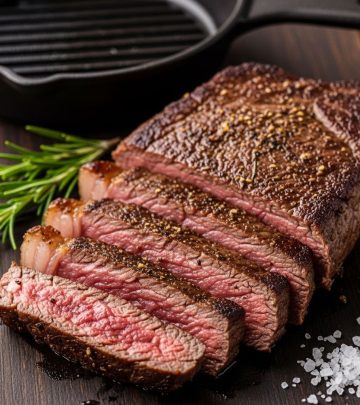
- Classic pairing is with grilled or pan-seared steak, but it’s also sublime atop fish or roasted vegetables.
How Does Béarnaise Differ From Hollandaise?
| Sauce Type | Key Flavors | Main Application |
|---|---|---|
| Béarnaise | Tarragon, shallot, white wine vinegar | Steak, fish, grilled vegetables |
| Hollandaise | Lemon juice, butter | Eggs Benedict, asparagus, poached fish |
Béarnaise is essentially a tarragon-perfumed spin on Hollandaise, swapping lemon for vinegar and adding shallots and fresh herbs for complex aroma.
Expert Tips for Béarnaise Perfection
- Keep the heat low: The sauce should never boil; gentle heat allows eggs to gently aerate.
- Whisk vigorously: Aeration is key for a fluffy and stabilized emulsion.
- Rescue a splitting sauce: Cold water and rapid whisking almost always repair an emulsion that’s separating.
- Adjust thickness: If too thick, whisk in a splash of white wine or water until desired consistency is reached.
- Make ahead: Can be kept for a few hours. Press plastic wrap directly on the surface to prevent skin formation. Reheat by whisking with hot water.
Creative Ways to Use Béarnaise Sauce
- Classic steakhouse: Spoon lavishly over grilled ribeye, filet mignon, or strip steak.
- Seafood: Serve atop poached or pan-seared salmon, halibut, or trout.
- Vegetarian feasts: Drizzle on roasted asparagus, grilled Portobello mushrooms, or steamed green beans.
- Bistro-style eggs: Replace Hollandaise in eggs Benedict for a French twist.
- Sandwiches: Spread on steak or veggie sandwiches for a decadent upgrade.
Frequently Asked Questions (FAQs)
Q: Can I make Béarnaise sauce ahead of time?
A: Yes. It can be made a few hours before serving. Store at room temperature with plastic wrap pressed directly onto the surface to prevent skin. Before serving, whisk in a splash of hot water to restore texture.
Q: What do I do if my Béarnaise splits or curdles?
A: Take off the heat immediately and whisk in a dash of cold water to bring it back together. For severe breaks, start with a new yolk in a clean bowl and whisk in the broken sauce gradually, as you would for Hollandaise.
Q: Is it safe to use raw egg yolks?
A: Egg yolks in Béarnaise are gently cooked, not raw, as the sauce is brought up to temperature (but not booming hot). If concerned, use very fresh eggs or seek pasteurized yolks.
Q: Can I make Béarnaise without fresh tarragon?
A: Tassel tarragon delivers the signature flavor. If unavailable, try chervil or a blend of parsley and a tiny pinch of dried tarragon, but results will differ.
Q: Does Béarnaise work with plant-based butter?
A: For a dairy-free version, plant-based butters can work, though texture and flavor might vary.
Béarnaise Sauce Troubleshooting Guide
- Too thin: Continue whisking over low heat; sauce thickens as yolks set. Add a knob of butter to enrich.
- Too thick: Whisk in warm water or splash of white wine vinegar, little by little.
- Oily/greasy: Sauce has started to break; brisk whisking and cold water are quick fixes.
- Grainy: Indicates overcooked eggs; strain through fine sieve, re-emulsify with additional yolk if needed.
Final Thoughts: Why This Béarnaise Technique Works
This modern Béarnaise method is a true revelation for home cooks, making a restaurant-caliber sauce possible in any kitchen. With minimal equipment and simple steps, you can enjoy the full flavor and velvet texture of classic Béarnaise—without the stress. Whether you’re hosting a dinner party or elevating a weeknight meal, this sauce proves that French culinary magic is within reach for everyone.