The Ultimate Guide to Caring for and Cleaning Stainless Steel Pans
Everything you need to know to maintain, clean, and maximize the lifespan of your stainless steel cookware.

Stainless steel pans are the backbone of many kitchens, prized for their durability, versatility, and professional results. But to keep them looking sharp and working their best, proper care is essential. This in-depth guide presents everything you need to know about taking care of your stainless steel cookware—ensuring flawless results and maximum pan longevity, every time.
Table of Contents
- Why Choose Stainless Steel?
- Essential Daily Care for Stainless Steel Pans
- Pro Cooking Tips: Getting the Best Performance
- Avoiding Common Mistakes with Stainless Steel
- How to Remove Stubborn Stains & Burnt Food
- How to Deal With Water Spots and Chalky Residue
- Frequently Asked Questions
Why Choose Stainless Steel?
Stainless steel cookware occupies a special place in both home and professional kitchens because it:
- Heats evenly and retains heat well, making it ideal for browning and searing.
- Is non-reactive, so it won’t leach flavors or discolor when cooking acidic foods.
- Is durable and resistant to scratches, dents, and rust with minimal maintenance.
- Offers a sleek, professional look that suits any kitchen décor.
With proper care, a good stainless steel pan can last a lifetime, but the right cleaning and usage habits make all the difference.
Essential Daily Care for Stainless Steel Pans
Cool Down Before Cleaning
Always let your pan cool completely after cooking before washing it. Sudden temperature changes—from plunging a hot pan in cold water—can cause irreparable warping and damage your cookware’s integrity.
Gentle, Thorough Cleaning
- Rinse away food residue with warm water.
- Soak in warm, soapy water if necessary to loosen stuck-on bits.
- Use a non-abrasive sponge and mild dish soap. Work in circles to lift particles without scratching.
- For persistent residue, apply a paste of baking soda and water to the trouble spot, let it sit, then rub gently with a soft sponge.
- Dry immediately with a soft cloth or towel to prevent water spots.
Preferred Handwashing
It is best to handwash stainless steel pans whenever possible, as dishwasher detergents and cycles can be harsh, potentially dulling the finish or causing spots over time.
Routine is Key
Even if your pan doesn’t look dirty, get into the habit of washing it after each use. This simple routine prevents buildup and discoloration and helps your cookware age beautifully.
Pro Cooking Tips: Getting the Best Performance
Mastering Preheating and Oil Timing
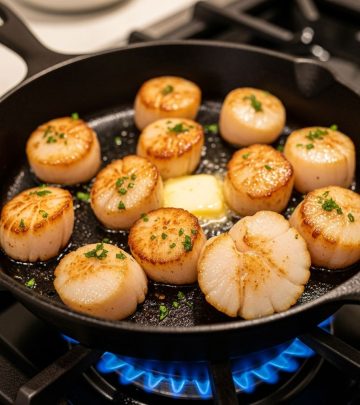
- Always preheat your pan before adding oil. Heating the pan first shrinks the pores on the surface and creates a momentarily nonstick surface.
- Once the pan is hot, add your oil and let it heat just until it shimmers. Only then should you add your food for optimum browning and a reduced threat of sticking.
- Avoid cranking up the heat to rush preheating: medium or medium-high is best. Stainless steel holds heat efficiently, so starting with high heat may result in burning.
The Water Test for Proper Preheat
To check readiness, sprinkle about 1/8 teaspoon of water in the pan. If it forms a single ball that skitters around the surface, your pan is perfectly preheated and ready for oil. Water that simply sizzles or sits means the pan is not quite ready—give it a bit more time.
Managing Food Temperature & Moisture
- Let cold proteins warm at room temperature for 10–15 minutes before cooking. Placing icy-cold items in a hot pan increases sticking as the steel contracts on contact with cold.
- Before adding meats or fish, pat them dry with a towel. Excess moisture leads to steaming rather than searing, and can increase sticking and spatter.
When to Salt
Only add salt to boiling water, not before. Salting cold water can trigger pitting corrosion—leaving tiny, irreparable marks in your pan.
Avoiding Common Mistakes with Stainless Steel
- Don’t use abrasive cleaners. Avoid coarse sponges, steel wool, harsh cleaners, and bleach, as these scratch and damage the finish.
- Never try to cool a hot pan with cold water—it can warp.
- Do not use metal utensils to scrape stubborn food off the pan, as this may cause gouges or remove the shiny finish.
- If you need more scrubbing power, use a paste of baking soda or a manufacturer-recommended stainless steel cleanser with a non-scratch pad.
- Avoid stacking pans directly—nesting causes scratching. If you need to stack, use a towel or pan protector in between.
How to Remove Stubborn Stains & Burnt Food
Everyday Stuck-On Residue
- Soak the pan in warm, soapy water for 10–20 minutes. Most residues will soften and can be easily removed with a sponge.
- For stains that linger, coat them with a baking soda paste and gently scrub in circles.
Special Techniques for Burnt-On Food
If you’ve got scorched or burnt patches:
- Spread a thick paste of baking soda and water on the burnt area. You can also sprinkle baking soda directly, then spritz with vinegar for extra cleaning action.
- Alternatively, create a thick paste using cream of tartar and vinegar—the acid and gentle abrasion lift baked-on gunk.
- For especially tough messes, cover the area in ketchup and let it sit for 30 minutes—the acetic acid can break down the stains. Scrub and rinse well.
- For stubborn patches, crumple up a piece of aluminum foil (only on stainless steel, never nonstick) and use it with baking soda as a scrubber. This is a last-resort method and should be done with care.
For White or Chalky Stains (Mineral Buildup)
- Fill the pan with enough vinegar-water mix (about 1:3 ratio) to cover the residue. Simmer for 5 minutes, then let cool and wash as usual.
- For persistent buildup (especially from hard water), repeat the process with fresh vinegar solution.
How to Deal With Water Spots and Chalky Residue
Water spots and chalky whitish residue are often the result of minerals in your tap water that dry on the pan’s surface. To keep pans spotless:
- Dry immediately after washing.
- If spots still appear, dampen the pan and rub with a moist sponge dusted with baking soda. Rinse well.
- For heavier deposits, boil a diluted vinegar solution in the pan for several minutes, rinse, and dry thoroughly.
Maximizing the Lifespan of Your Stainless Steel Pans
- Store pans in a dry location, ideally using pan protectors or towels to prevent scratches.
- Clean after each use to prevent buildup of grease or food particles.
- Treat stains promptly to avoid staining becoming permanent.
- Keep your warranty information, and know what voids it (such as abrasive cleaners or steel wool).
Frequently Asked Questions
Q: Can I use stainless steel pans in the dishwasher?
A: Yes, you can, but handwashing is preferred to preserve brightness and prevent spots or discoloration from harsh detergents.
Q: Why is my food sticking to the pan?
A: The most common culprit is adding food before the pan and oil are adequately hot. Ensure the pan is preheated, then add oil, and wait for it to shimmer before cooking. Cold food can also cause sticking, so let proteins come to room temperature for 10–15 minutes first.
Q: There are blue or rainbow-colored stains on my pan. Is this normal?
A: Yes, this is heat tint, caused by cooking at high temperatures. It’s harmless and easily removed with a vinegar polish or specialized stainless steel cleaner.
Q: Can I use metal utensils in my stainless steel pan?
A: While stainless steel is durable, using wooden, silicone, or plastic utensils helps extend the pan’s life and prevents cosmetic scratching. If you do use metal utensils, do so gently to minimize marks.
Q: How do I bring back the shine if my pans start looking dull?
A: Try polishing with a paste of water and baking soda, a gentle stainless steel cleaner, or a vinegar wipe-down. Always dry thoroughly after cleaning.
Quick Reference: Do’s and Don’ts for Stainless Steel Pans
| Do | Don’t |
|---|---|
|
|
Final Pro Tips for Stainless Steel Success
- New pans may require a break-in period; persistent sticking decreases as the pan becomes seasoned through use.
- If stains persist, use commercial stainless steel cleaners, but always follow manufacturer’s guidelines to avoid voiding warranties.
- Embrace the minor marks and heat tints that come with frequent use—they tell the story of a well-cooked meal.
With these tips and strategies, you’ll enjoy gleaming, high-performing stainless steel pans—ready for any recipe, for years to come.