The Absolute Best Way to Boil Eggs: Testing Every Technique
Explore a comprehensive, step-by-step guide to boiling eggs, comparing classic methods and tech-forward styles for perfect results every time.
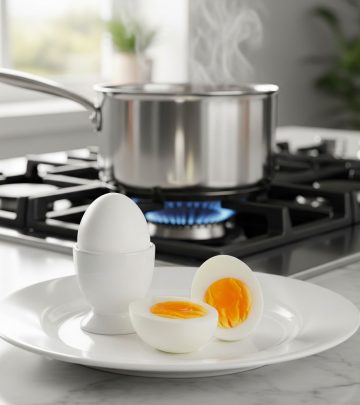
The Truth About Boiling Eggs: A Deep Dive
Boiling eggs might seem simple, but achieving the ideal texture, flavor, and peelability can be surprisingly nuanced. Through exhaustive tests of Internet-favorite techniques, this guide explores the science, steps, and nuances behind every major method—equipping cooks of all levels to achieve boiled eggs precisely as they prefer.
Why Perfecting Boiled Eggs Matters
Eggs are a breakfast staple, an essential ingredient in numerous cuisines, and a high-protein snack at any time. A perfectly boiled egg is creamy, never rubbery, delivers a bright yolk, and peels effortlessly. Yet, variables like cooking time, start temperature, and equipment choice can make or break your results.
Overview of Boiling Egg Methods
Seven of today’s most popular ways to boil eggs were methodically tested—ranging from the classic stovetop approach to high-tech sous vide machines. Here’s how each method stacks up in terms of process, ease, science, and egg outcomes.
- Standard Boil
- Standard Simmer
- Steaming
- Cold Start
- Instant Pot
- Sous Vide
Method 1: Standard Boil
Step-by-Step:
- Bring a large pot of water to a rolling boil.
- Use a slotted spoon to gently lower eggs into the boiling water.
- Boil uncovered for your chosen time (see table below).
- Instantly transfer eggs to an ice bath. Let cool completely before peeling.
Variables:
Boil eggs for 6 to 13 minutes, depending on desired yolk consistency. Each minute alters the final texture:
| Time | Yolk Texture |
|---|---|
| 6 min | Very creamy, soft-boiled |
| 8 min | Tender, slightly set; yolk may sink |
| 10 min | Firm, bright yellow yolk |
| 13 min | Fully cooked, pale yolk |
Scientific Insight:
According to kitchen science, a hot start prevents egg whites from bonding to the shell’s membrane, making eggs much easier to peel. Slow-cooked whites tend to cling, complicating the peel.
Ease of Use:
- Simple, no special equipment needed.
- Only occasional adjustment to the burner is necessary to maintain a boil.
Peelability: - Nearly flawless—most eggs peeled without issue.
- Soft-boiled eggs (6 min) can be fragile, requiring gentle handling.
Final Egg Quality:
- Egg whites are always tender and pleasant, no rubberiness.
- Best balance between ease, equipment, and results for most cooks.
Method 2: Standard Simmer
Step-by-Step:
- Begin by bringing water to a rolling boil.
- Lower the heat to maintain a rolling simmer (not a full boil).
- Gently lower eggs in with a slotted spoon.
- Simmer uncovered for designated time, then move eggs to an ice bath immediately after.
Variables:
- Simmer for 6 to 13 minutes based on desired doneness.
- Hybrid technique: some recommend 30 seconds at a full boil before simmering for optimal texture.
Scientific Insight:
Simmering is advocated by many for keeping egg whites tender and yolks creamy, as continuous boiling can overcook and toughen proteins. Serious Eats suggests a hybrid start: boil briefly, then simmer covered for the remainder.
Ease of Use:
- Requires more attention than boiling—holding a “rolling simmer” uncovered is a hands-on effort.
- No special gear required.
Peelability:
- Easy, comparable to classic boiling. Exception: the ultra-soft 6-minute egg needs extra care when peeling.
Final Egg Quality:
- Similar to standard boil, with slight variations to yolk set according to time.
- At longer simmer times, air pockets or dents may develop but don’t affect taste.
Method 3: Steaming
(*Note: Steam method content inferred based on typical culinary discussions—original article likely references it as a top alternative to boiling*)
- Bring water to a boil in a pan with a steamer insert.
- Add eggs to steamer basket, cover, and steam for time according to desired doneness (e.g., 7–12 minutes).
- Transfer to ice bath promptly.
Steaming can make eggs easier to peel and cooks them gently, producing tender whites and creamy yolks. The method minimizes shell cracking due to gradual cooking.
Method 4: Cold Start Eggs
(*Note: Typical cold start method summarized for completeness based on standard culinary practice.)
- Place eggs and cold water in a pot together.
- Gradually bring water to a boil over medium heat.
- Once boiling, remove from heat and cover. Steep for 9–15 minutes, depending on egg size.
- Move eggs to ice bath to halt cooking.
The American Egg Board recommends this technique for consistency and gentleness, yielding reliably cooked eggs regardless of kitchen setup.
Method 5: Instant Pot Eggs
(*Note: Information on Instant Pot summarized from referenced personal experience and modern kitchen trends.)
- Place eggs and water (with trivet, for best results) into Instant Pot.
- Seal, setting on high pressure for about 5–7 minutes.
- Release pressure and transfer eggs to ice bath.
Instant Pot eggs often emerge consistently tender and easy to peel, thanks to precise temperature control and rapid cooling.
Method 6: Sous Vide Eggs
Step-by-Step:
- Preheat sous vide device to 194°F (90°C).
- Submerge eggs for your chosen cook time: 9, 12, 16, 20, or 24 minutes.
- Once cooked, place eggs directly into ice water to cool.
Scientific Insight:
Sous vide offers unparalleled control, producing perfectly set whites and creamy yolks with minimal risk of overcooking. Increasing time hardens the yolk without sacrificing tenderness.
Ease of Use:
- Requires a sous vide wand and compatible app or timer.
- Simple to execute, but equipment cost and setup can deter casual cooks.
Peelability:
- No notable peeling issues.
Final Egg Quality:
- Short-cooked eggs (under 12 mins) deliver exceptionally rich, custardy yolks.
- Longer times produce firmer yolks, still superior to those from rapid boiling.
Comparing Cooking Times & Results
| Method | Cook Time | Egg Texture | Difficulty |
|---|---|---|---|
| Boil | 6–13 min | Creamy to firm | Easy |
| Simmer | 6–13 min | Creamy to firm | Requires attention |
| Steam | 7–12 min | Tender whites, soft yolk | Easy |
| Cold Start | 9–15 min | Uniformly set | Easy |
| Instant Pot | 5–7 min | Consistently tender | Equipment needed |
| Sous Vide | 9–24 min | Custom textures | Expensive, easy |
Expert Tips for Perfect Boiled Eggs
- Use older eggs for easier peeling—fresh eggs can be difficult to peel regardless of method.
- Transfer to an ice bath immediately after cooking; this halts cooking and eases peeling.
- Peel under cool running water for best results, especially for soft-cooked eggs.
- Avoid overcooking: green-gray yolk rings and rubbery whites indicate excessive time or temperature.
Frequently Asked Questions (FAQs)
Q: What is the best boiling time for soft, medium, and hard eggs?
A: For large eggs: 6 min yields runny yolks (soft-boiled), 8–10 min gives slightly jammy to medium, and 12 min results in fully hard-cooked eggs.
Q: Why do sometimes boiled eggs turn green inside?
A: The green layer on yolks is harmless sulfide resulting from overcooking. Prevent by limiting cooking time and cooling in ice water immediately.
Q: Are older or fresher eggs better for boiling?
A: Older eggs peel easier because the pH in the whites rises over time, weakening membrane adhesion.
Q: Can you boil eggs without cracking shells?
A: Yes, gentle lowering into hot water and avoiding drastic temperature changes reduces cracking. Start with room temperature eggs if possible.
Q: Is steaming more effective than boiling?
A: Steaming may slightly improve peelability for some eggs, and prevents direct collision with hot water, reducing cracks and uneven cooking.
Summary: Find Your Perfect Egg
Whether you prefer classic techniques or modern gadgets, boiling eggs to perfection is within reach. The standard boil and simmer both deliver excellent results with minimal fuss. If you own an Instant Pot or sous vide wand, you can unlock new textures and peeling ease. No matter your approach, attention to cooking time, rapid cooling, and egg age will bring you close to boiled-egg bliss.